
 India
India

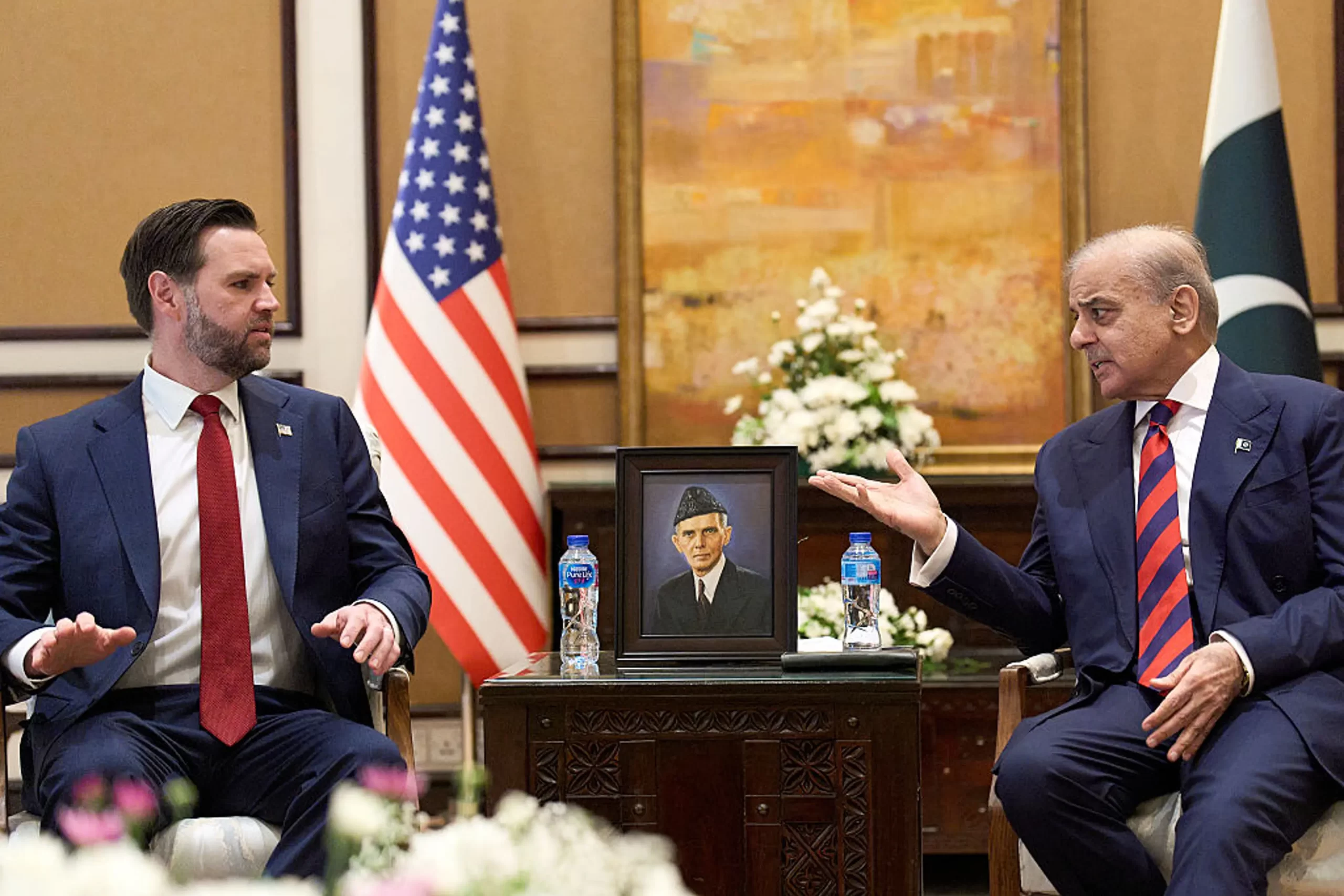

Uncertainty continues to loom over the anticipated second round of talks between the United States and Iran, as conflicting signals and heightened rhetoric from both sides cloud the diplomatic landscape. With a fragile two-week ceasefire nearing its expiration, there is still no clear confirmation on when—or if—the next phase of negotiations will take place in Islamabad.
The first round of discussions, held on April 11 and 12, failed to yield any concrete breakthroughs, prompting renewed diplomatic efforts led by Pakistan to bring both sides back to the negotiating table. In preparation for the proposed talks, Pakistani authorities deployed more than 10,000 security personnel across the capital to ensure the safety of foreign delegations.
Despite earlier indications from Donald Trump that American negotiators would arrive in Islamabad by Monday night, there has been no visible movement of key diplomatic figures so far. Similarly, the expected arrival of the Iranian delegation remains unconfirmed, adding to the prevailing uncertainty.
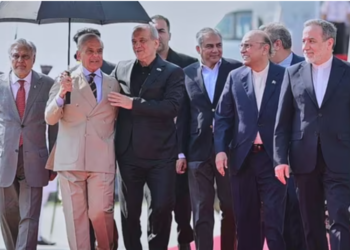
Behind the scenes, there are indications of preliminary activity. Reports suggest that security teams from both countries may already be present in Islamabad, working quietly to coordinate logistics for a potential high-level meeting. Pakistan’s Interior Minister Mohsin Naqvi has also engaged with envoys from both nations to discuss arrangements and explore avenues to ease tensions.
Meanwhile, Washington has expressed cautious optimism. President Trump reiterated his hope that talks would proceed and lead to a deal that stabilizes global oil markets and prevents further economic disruptions. However, he maintained a firm stance that Iran must not acquire nuclear weapons capabilities.
On the other side, Tehran appears to be leveraging its strategic control over the Strait of Hormuz as a bargaining chip. Iranian leadership aims to secure sanctions relief while preserving its nuclear ambitions, a stance that continues to be a major sticking point in negotiations.
Tensions escalated further over the weekend when a US guided-missile destroyer intercepted and seized an Iranian cargo vessel attempting to breach the American naval blockade in the Gulf of Oman. The incident has added strain to an already fragile ceasefire and intensified mistrust between the two sides.
According to reports from Axios, US Vice President J. D. Vance may travel to Islamabad imminently to push forward negotiations. He is expected to be joined by special envoy Steve Witkoff and senior advisor Jared Kushner.
As the ceasefire deadline approaches, the situation remains fluid and unpredictable. While diplomatic channels remain open, the absence of clear timelines and continued military tensions raise questions about whether meaningful progress can be achieved—or if the region is heading toward renewed conflict.


 English
 Gujarati
 Hindi
Hindi Kannada
 Malayalam
 Marathi
 Punjabi
 Tamil
Tamil Telugu