

 India
India

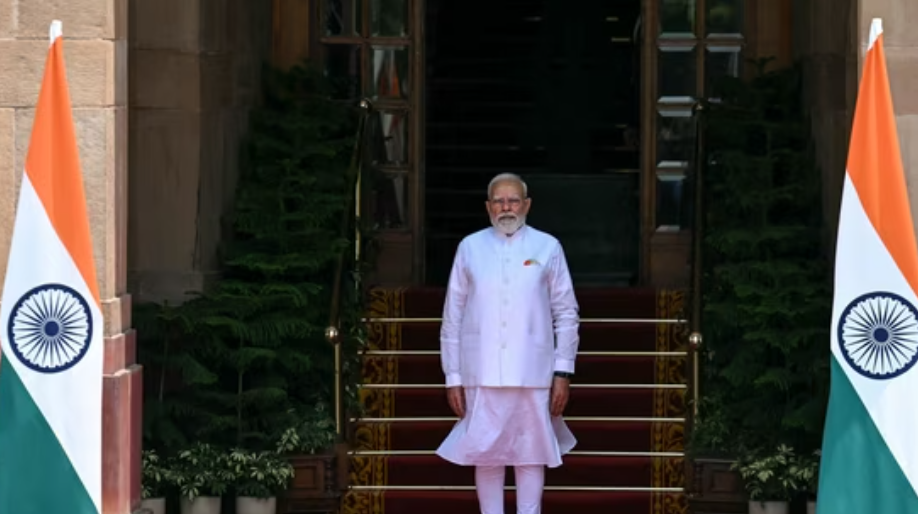
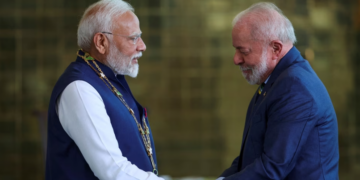
Prime Minister Narendra Modi is poised to create history on June 10, 2026, by becoming India’s longest-serving continuously elected Prime Minister. On that day, Modi will complete 4,399 consecutive days in office, surpassing the record of 4,398 days held by India’s first Prime Minister, Jawaharlal Nehru.
Modi first assumed office on May 26, 2014, after leading the Bharatiya Janata Party (BJP) to a decisive victory in the Lok Sabha elections. Since then, he has secured three consecutive electoral victories, allowing him to remain in office without interruption for more than 12 years.
The record previously belonged to Jawaharlal Nehru, who served continuously from May 13, 1952, following India’s first general elections, until his death on May 27, 1964. Nehru’s tenure helped shape the foundations of modern India during the country’s formative years after Independence.
This latest achievement adds to a growing list of milestones in Modi’s political journey. In July 2025, he surpassed former Prime Minister Indira Gandhi’s uninterrupted tenure of 4,077 days, which lasted from January 1966 to March 1977. Earlier in 2026, Modi also became India’s longest-serving elected head of government when his combined tenure as Gujarat Chief Minister and Prime Minister crossed 8,930 days.
The political landscape that Modi has navigated differs significantly from the one Nehru governed. During Nehru’s era, the Indian National Congress dominated national politics, winning 364 of the 489 Lok Sabha seats in the 1952 elections. In contrast, Modi has led India through a far more competitive political environment characterized by regional parties, coalition politics, and heightened electoral competition.
India itself has undergone enormous changes over the decades. The country’s population has grown from around 340 million during Nehru’s early years in office to more than 1.46 billion today. Similarly, the scale of democratic participation has expanded dramatically. The electorate, which numbered approximately 170 million voters during India’s first general election, now exceeds one billion registered voters. The number of political parties contesting national elections has also increased substantially, reflecting the growing diversity of India’s political landscape.
During Modi’s tenure, the government has emphasized infrastructure development, digital governance, higher education, and healthcare expansion. Between 2014 and 2026, the number of Indian Institutes of Technology (IITs) increased from 16 to 23, Indian Institutes of Management (IIMs) grew from 13 to 21, and All India Institutes of Medical Sciences (AIIMS) expanded from seven to 23 institutions.

Modi’s tenure has also unfolded in an era of unprecedented public scrutiny, with 24-hour news coverage, social media platforms, and digital communication transforming the relationship between governments and citizens.
As he crosses the 4,399-day mark on June 10, Narendra Modi will officially become the longest continuously serving democratically elected Prime Minister in India’s history, surpassing a record that stood unchallenged for more than six decades.

 English
 Gujarati
 Hindi
Hindi Kannada
 Malayalam
 Marathi
 Punjabi
 Tamil
Tamil Telugu