
 India
India

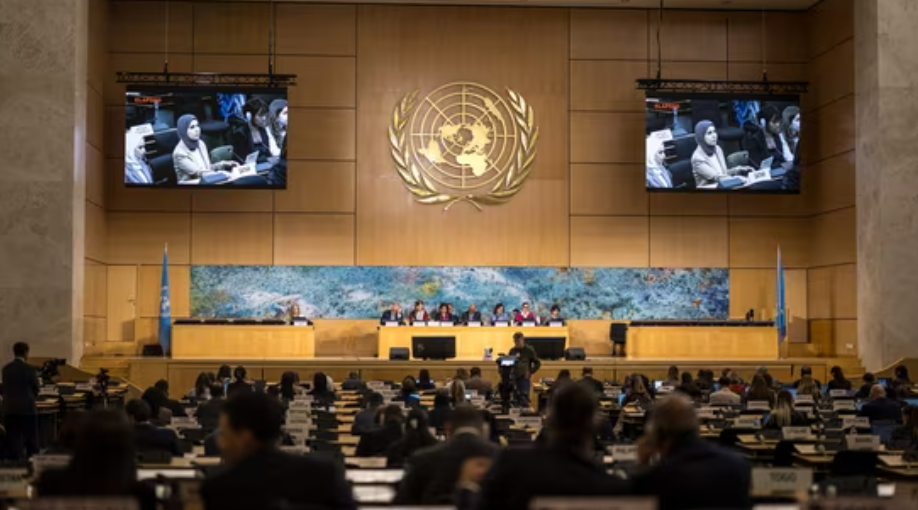
At the 61st session of the United Nations Human Rights Council, Pakistan came under intense scrutiny following allegations of widespread human rights violations in Balochistan. Delivering an oral statement, Japanese human rights activist Shun Fujiki raised serious concerns about enforced disappearances, unlawful detentions, and systemic repression in the region.
Addressing the council, Fujiki painted a grim picture of the situation on the ground, urging delegates to consider the plight of families searching for missing loved ones. He claimed that more than 1,200 enforced disappearances were recorded in 2025 alone, including women and at least 75 students. According to his statement, over 1,000 individuals remain unaccounted for, with persistent allegations of torture, extrajudicial killings, and arbitrary arrests continuing to emerge.
Fujiki also accused authorities in Pakistan of enabling unchecked exploitation of Balochistan’s vast natural resources. Despite the province being rich in copper and gold reserves, he argued that local communities remain marginalized and impoverished, while external stakeholders reap disproportionate benefits. The activist emphasized that this imbalance has deepened economic inequality and fueled resentment among indigenous populations.
Another key issue raised was the displacement of local communities without their consent. Fujiki described such actions as violations of international legal frameworks, including the UN Declaration on the Rights of Indigenous Peoples (UNDRIP) and the International Covenant on Civil and Political Rights (ICCPR). He stressed that development projects in resource-rich areas must ensure the protection of indigenous rights and guarantee fair participation.
The continued detention of Baloch activist Dr. Mahrang Baloch was also highlighted as a symbol of alleged state repression. Fujiki noted that she has reportedly been held for over a year following her involvement in peaceful protests, raising further concerns about freedom of expression and political dissent in the region.
Calling the situation a “crisis of dignity and justice,” Fujiki questioned the international community’s inaction and warned against ignoring what he described as a worsening humanitarian crisis. He urged the UNHRC to take concrete steps, including launching independent fact-finding missions in key areas such as Reko Diq and pressing Pakistan to ratify international conventions related to enforced disappearances.
He further recommended that international investments and funding be tied to strict conditions, including verified community consent, local employment guarantees, and measurable poverty reduction outcomes.
Concluding his address, Fujiki issued a stark warning, stating that “justice delayed is justice denied,” as calls intensify for global intervention to address the situation in Balochistan.



 English
 Gujarati
 Hindi
Hindi Kannada
 Malayalam
 Marathi
 Punjabi
 Tamil
Tamil Telugu