


 India
India

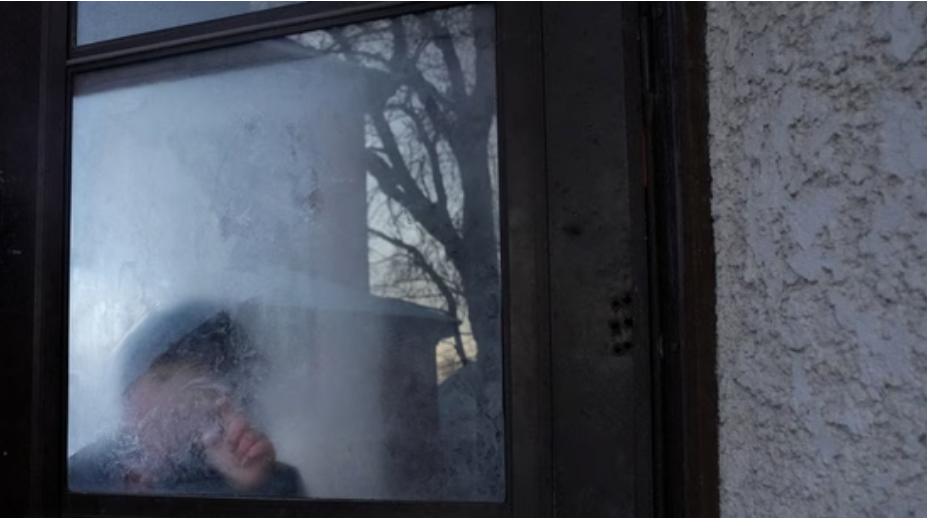
A disturbing encounter between federal immigration agents and a Minnesota family has ignited fresh outrage over warrantless arrests and the expanding reach of immigration enforcement in the United States. ChongLy “Scott” Thao, a U.S. citizen for decades, says he was forcibly removed from his St. Paul home by Immigration and Customs Enforcement agents at gunpoint, without a warrant, and led outside in his underwear during subfreezing weather, all while his four-year-old grandson watched in fear.
According to Thao and his family, the incident unfolded on a Sunday afternoon when agents began banging on the door of their rented home. Thao, who had been napping, was woken by his daughter-in-law and told her not to open the door. Moments later, masked agents allegedly forced their way inside, shouting and pointing guns at family members. Thao said the agents never presented a warrant and refused to explain why they were there.
“I was shaking,” Thao recalled. “They didn’t show any warrant. They just broke down the door.”
As the agents detained him, Thao asked his daughter-in-law to retrieve his identification to prove his citizenship. He says the agents dismissed the request, handcuffed him, and escorted him outside wearing only sandals and underwear, with a blanket draped over his shoulders. Video footage reviewed by The Associated Press shows neighbors confronting the heavily armed agents, blowing whistles, honking horns, and shouting for them to leave the family alone.
Thao said he was driven to a remote location, ordered out of the vehicle in freezing conditions, and photographed. He feared he might be assaulted. Only later, after finally checking his identification, did agents acknowledge that he was a U.S. citizen with no criminal record. He was returned home an hour or two later. The agents left without apologizing or offering compensation for the broken door, Thao said.
The incident comes amid a surge of federal agents in the Twin Cities region, where residents and local leaders have accused immigration authorities of conducting aggressive, warrantless operations. St. Paul Mayor Kaohly Her condemned the arrest, saying ICE was not targeting “hardened criminals” but instead instilling fear in communities. “It is unacceptable and un-American,” she said.
The Department of Homeland Security defended the operation, calling it a “targeted” effort to apprehend two convicted sex offenders. DHS claimed Thao lived with the suspects and matched their description. Thao’s family has categorically denied these claims, stating that only immediate family members live in the home and that no one at the address appears in the Minnesota sex offender registry. DHS has not provided evidence to support its assertion.

For the family, the incident carries deep emotional weight. Thao’s mother fled Laos in the 1970s after assisting U.S.-backed Hmong forces during the CIA’s covert war. Thao now says he plans to file a civil rights lawsuit against DHS and no longer feels safe in his own home.
“What did I do wrong?” he asked. “I didn’t do anything.”


 English
 Gujarati
 Hindi
Hindi Kannada
 Malayalam
 Marathi
 Punjabi
 Tamil
Tamil Telugu