





 India
India

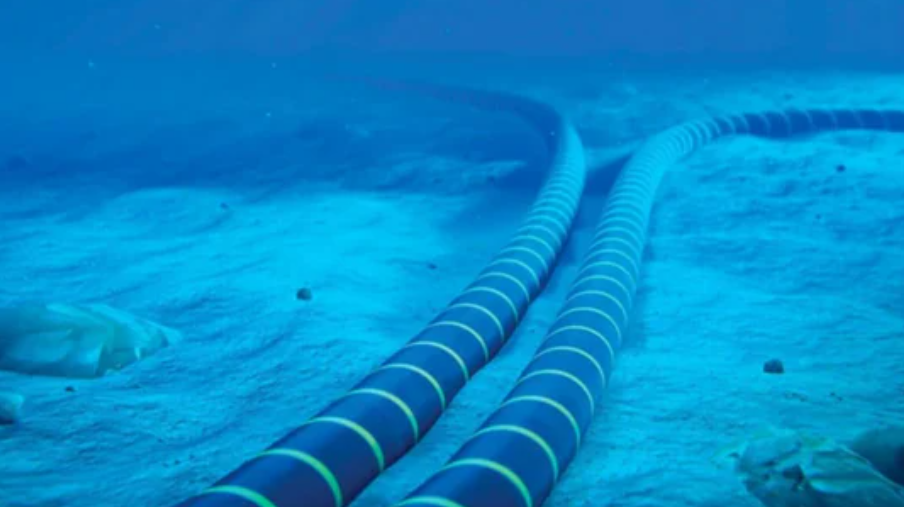
As the conflict between the United States and Iran escalates, concerns over potential internet disruptions have intensified, particularly due to the strategic vulnerability of the Red Sea submarine communications cables. While Iran has not officially announced plans to cut these critical undersea fibre optic lines, several reports and social media warnings from Iran-backed groups have raised global alarm.
The Yemen-based Houthi militant group, aligned with Iran, has previously threatened to target Red Sea cables, which serve as a lifeline for international data traffic. The last significant disruption occurred in September 2025, when a commercial ship dragging its anchor allegedly severed multiple Red Sea cables. This incident resulted in widespread internet slowdowns and connectivity issues across West and South Asia, highlighting the global dependence on these undersea networks.
According to the International Cable Protection Committee (ICPC), the 2025 disruption affected four major cables: South East Asia–Middle East–Western Europe 4, India-Middle East-Western Europe Cable, FALCON GCX, and Europe India Gateway. John Wrottesley from the ICPC noted that approximately 30% of annual cable incidents are caused by dragged anchors, which account for roughly 60 faults every year. However, with the ongoing US-Iran conflict, experts warn that deliberate attacks on these cables have now become a significant concern.
Red Sea cables are vital for a wide range of services, including financial transactions, cloud computing, video conferencing, email communication, and artificial intelligence workloads. Any damage to these cables could have cascading effects, disrupting not just regional, but global digital operations.
For India, the stakes are particularly high. During the September 2025 incident, major networks across the country experienced outages and latency, though services did not completely halt. Today, India’s growing reliance on cloud infrastructure, digital payments, and AI devices means that any disruption in Red Sea connectivity could severely impact the nation’s economy. India currently hosts 17 undersea cables across 14 landing stations in Mumbai, Chennai, Cochin, Tuticorin, and Trivandrum. However, uneven traffic distribution—about two-thirds of traffic routed through Mumbai—makes the system vulnerable to localized failures.
As tensions in West Asia continue to rise and the Red Sea remains a potential flashpoint, experts emphasize the need for contingency measures. Ensuring resilience in international connectivity is crucial to safeguarding India’s digital economy and maintaining uninterrupted communication across the region.





 English
 Gujarati
 Hindi
Hindi Kannada
 Malayalam
 Marathi
 Punjabi
 Tamil
Tamil Telugu