





 India
India


In a growing wave of labour unrest in Noida, domestic workers staged a strike in Sector 121, demanding higher wages, regulated working hours, and better workplace conditions. The protest, which primarily took place outside residential complexes including Cleo County, has drawn attention from both residents and local authorities as tensions over pay disparities continue to rise in the region.
According to reports by ABP News, a large group of domestic workers gathered outside high-rise residential societies in Sector 121, raising slogans and refusing to resume work until their demands were addressed. Protesters alleged that their current salaries have not kept pace with the rising cost of living, while their workload has steadily increased over time. Many workers also highlighted issues such as lack of fixed working hours, insufficient weekly offs, and absence of formal contracts.
The protest also spread across nearby areas such as Garhi Chaukhandi and Sector 70, where similar demonstrations were reported. Videos circulating on social media platform X showed groups of workers assembled outside apartment complexes, demanding immediate wage revisions and improved labour rights.
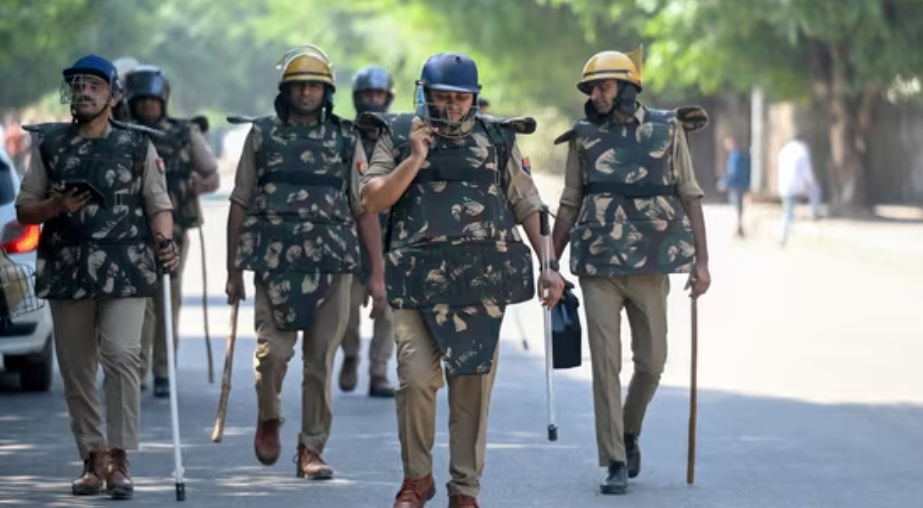
Authorities responded swiftly to the situation. Deputy Commissioner of Police Shaivya Goyal stated that the situation remains under control and that police forces are actively monitoring developments. Officials confirmed that flag marches were conducted in multiple areas of Noida, including Phase 2, to maintain public order and prevent escalation.
In an official statement, the police clarified that the demonstrations involved domestic helpers working in residential households rather than industrial workers. They also dismissed misinformation circulating online suggesting that the protests had spread across multiple unrelated locations simultaneously. Authorities urged residents not to believe rumours and to rely only on verified updates.
The unrest comes against the backdrop of broader labour tensions in Uttar Pradesh, where recent wage revisions have sparked demonstrations in industrial zones. Just a day prior, factory worker protests in Noida escalated into violence, with incidents of vandalism and traffic disruption reported in sectors including 60, 62, and Phase 2. Officials believe the domestic workers’ strike, while peaceful, reflects a wider dissatisfaction among low-wage workers facing inflationary pressure.
Reports from Hindustan Times noted that the police presence has been significantly increased across sensitive residential and industrial pockets to prevent any spillover of unrest. Despite heightened tension, officials maintain that the situation remains peaceful and under control.
Residents in affected societies have expressed mixed reactions, with some acknowledging the workers’ grievances while others raised concerns about disruption to daily household routines.
As discussions continue, authorities are expected to engage with worker representatives to assess demands and explore possible mediation mechanisms. For now, the strike highlights growing economic strain among domestic workers in rapidly urbanising parts of Noida.






 English
 Gujarati
 Hindi
Hindi Kannada
 Malayalam
 Marathi
 Punjabi
 Tamil
Tamil Telugu