



 India
India

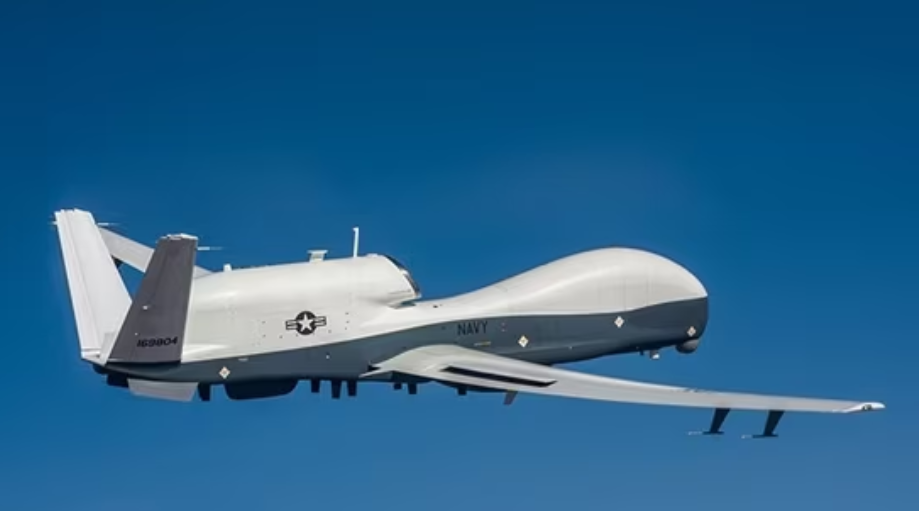
The United States Navy has confirmed the crash of a high-value MQ-4C Triton surveillance drone during the ongoing tensions linked to the Iran conflict, shedding light on an incident that had already triggered widespread speculation online. The unmanned aircraft, developed by Northrop Grumman, is estimated to cost around $240 million per unit, making it one of the most expensive aerial losses associated with the conflict so far.
According to the Naval Safety Command’s latest aviation mishap report, the crash occurred on April 9. However, officials did not disclose the precise location of the incident, citing operational security concerns. Importantly, no injuries were reported, as the aircraft is unmanned. The confirmation follows earlier reports that the drone had disappeared from public flight-tracking platforms while operating near the Persian Gulf.
Open-source flight data, first highlighted by defense publication The War Zone, indicated that the drone experienced a rapid loss of altitude shortly before vanishing. Additional claims circulating on social media suggested that the aircraft transmitted the emergency “7700” distress code, typically used to signal a general in-flight emergency. Some users also speculated that the drone may have briefly veered toward Iranian airspace before losing contact.
Despite these claims, there has been no official confirmation from the US military regarding any hostile involvement. Allegations that Iran may have shot down the drone remain unverified, and authorities have not provided further details about the cause of the crash.
The MQ-4C Triton drone is among the most advanced unmanned aerial vehicles in operation today. Designed for high-altitude, long-endurance intelligence, surveillance, and reconnaissance (ISR) missions, it can fly at altitudes exceeding 50,000 feet and remain airborne for more than 24 hours. With a wingspan of approximately 130 feet, the Triton is capable of monitoring vast maritime regions, including critical chokepoints like the Strait of Hormuz.
The drone is also designed to operate in coordination with the Boeing P-8 Poseidon, enhancing the US Navy’s anti-submarine warfare and maritime surveillance capabilities.
This incident underscores the strategic importance—and vulnerability—of high-value surveillance assets operating in contested regions. As tensions persist in the Gulf, the loss of such a sophisticated platform raises questions about operational risks, technical reliability, and the evolving nature of modern aerial warfare.






 English
 Gujarati
 Hindi
Hindi Kannada
 Malayalam
 Marathi
 Punjabi
 Tamil
Tamil Telugu