

 India
India

In a significant move tied to national security concerns, the United States has detained and initiated deportation proceedings against close relatives of slain Iranian military leader Qassem Soleimani. The action comes as part of a broader crackdown on individuals allegedly linked to the Iranian regime while residing in the US.
According to officials, Hamideh Soleimani Afshar—identified as Soleimani’s niece—and her daughter were arrested by Immigration and Customs Enforcement (ICE) on Friday. Authorities stated that both had been living in Los Angeles for several years, reportedly enjoying what was described as a “lavish lifestyle.” However, US officials allege that during this time, they publicly supported the Iranian government and endorsed anti-American activities.
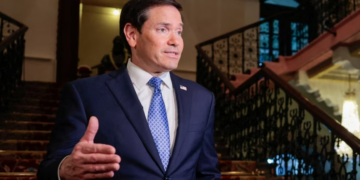
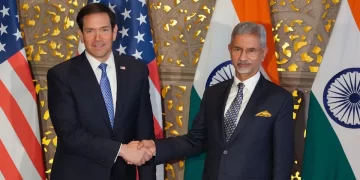
The arrests follow a determination by US Secretary of State Marco Rubio, who concluded that at least four Iranian nationals connected to the regime were no longer eligible to remain in the United States. As a result, their visas or lawful permanent resident statuses were revoked. Afshar’s husband has also been barred from entering the country.
Rubio, in a public statement, described Afshar as an outspoken supporter of Iran’s leadership, accusing her of celebrating attacks on Americans and referring to the United States as the “Great Satan.” He emphasized that the administration would not permit individuals who support hostile regimes to reside within US borders.
The move is part of a wider policy shift under President Donald Trump, targeting individuals believed to have ideological or operational ties to adversarial governments. Officials indicated that the recent detentions build on earlier steps taken late last year, when visas of several Iranian diplomats and United Nations mission staff were revoked.
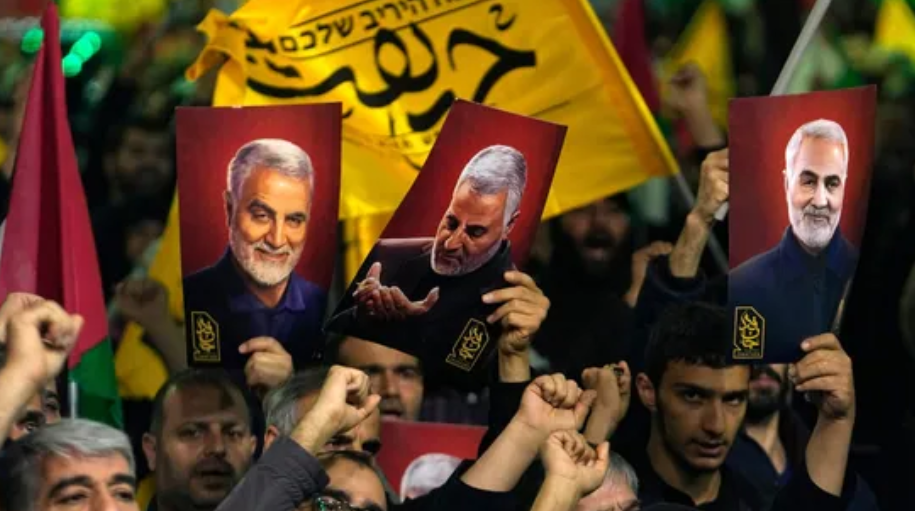
Soleimani, the former commander of Iran’s elite Quds Force, was killed in a US drone strike near Baghdad in 2020. His death significantly escalated tensions between Washington and Tehran, and he continues to be regarded as a prominent and controversial figure within Iran.
In addition to Afshar’s case, the State Department recently revoked visas of other individuals linked to senior Iranian officials, including relatives of former national security figures. While some of those affected are no longer in the US, their current whereabouts remain unclear.

Iran’s mission to the United Nations has not issued an official response to the latest developments. Notably, the US and Iran do not maintain formal diplomatic relations, further complicating such cases.
The detentions highlight Washington’s increasingly stringent stance on immigration and foreign policy intersections, particularly concerning individuals with alleged ties to governments viewed as hostile to American interests.


 English
 Gujarati
 Hindi
Hindi Kannada
 Malayalam
 Marathi
 Punjabi
 Tamil
Tamil Telugu