 India
India

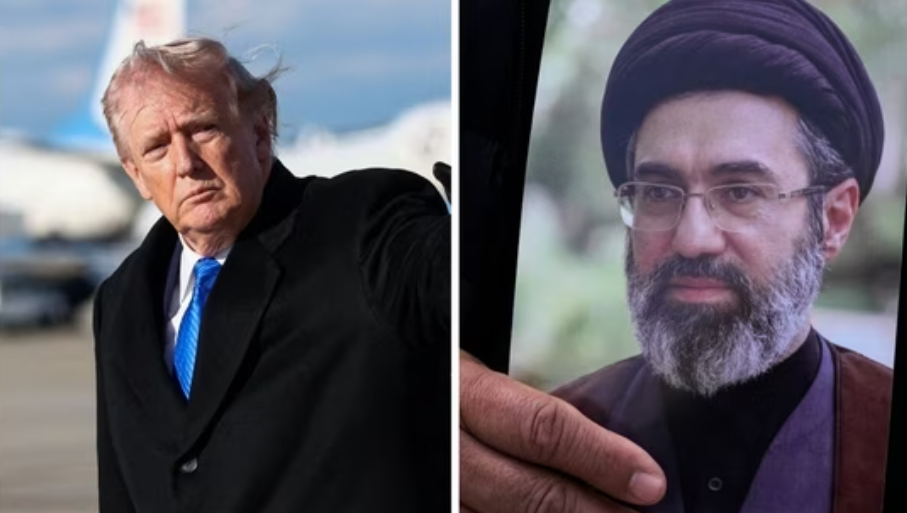
US President Donald Trump has stirred fresh controversy by suggesting that the strategically critical Strait of Hormuz could potentially be “jointly controlled” by the United States and Iran’s leadership. His remarks came alongside an announcement of a temporary five-day postponement of planned US strikes on Iranian energy infrastructure, signaling a possible diplomatic opening amid escalating conflict.
Speaking to reporters, Trump indicated that the vital shipping route—through which nearly 20 percent of the world’s oil and liquefied natural gas passes—could be reopened “very soon” if ongoing negotiations with Tehran yield positive results. However, his vague comment that control of the strait might involve “maybe me and the Ayatollah” created confusion and drew mixed reactions globally.
The statement follows a week of intense military escalation between US-Israeli forces and Iran. Key energy installations have been targeted on both sides, including Israel’s strike on Iran’s South Pars gas field and Tehran’s retaliatory attack on Qatar’s Ras Laffan LNG facility. The broader conflict, triggered by strikes on February 28 that reportedly killed Iran’s Supreme Leader Ali Khamenei, has already claimed over 2,000 lives.
Despite Trump’s claims of “productive conversations” with Iranian representatives, Tehran has denied any direct or indirect talks with Washington. Iranian state-linked media dismissed the suggestion, further deepening uncertainty around the diplomatic track.
Markets reacted swiftly to Trump’s announcement of the strike delay. Brent crude prices fell sharply, global equities rallied, and the US dollar weakened against major currencies, reflecting investor optimism over a potential de-escalation in the region.
Earlier, Trump had issued a stark ultimatum to Iran, warning that its power infrastructure would face destruction if the Strait of Hormuz was not reopened within 48 hours. While that deadline has now passed without military escalation, his latest comments suggest a mix of pressure tactics and negotiation signals.
Trump also hinted at broader political objectives, stating that recent military actions had significantly weakened Iran’s leadership and could lead to “a very serious form of regime change.” He added that individuals involved in ongoing discussions were “very reasonable” and “respected,” though he did not disclose their identities.
The evolving situation continues to rattle global energy markets and geopolitical stability, with the fate of the Strait of Hormuz remaining a key flashpoint in the crisis.


 English
 Gujarati
 Hindi
Hindi Kannada
 Malayalam
 Marathi
 Punjabi
 Tamil
Tamil Telugu