
 India
India

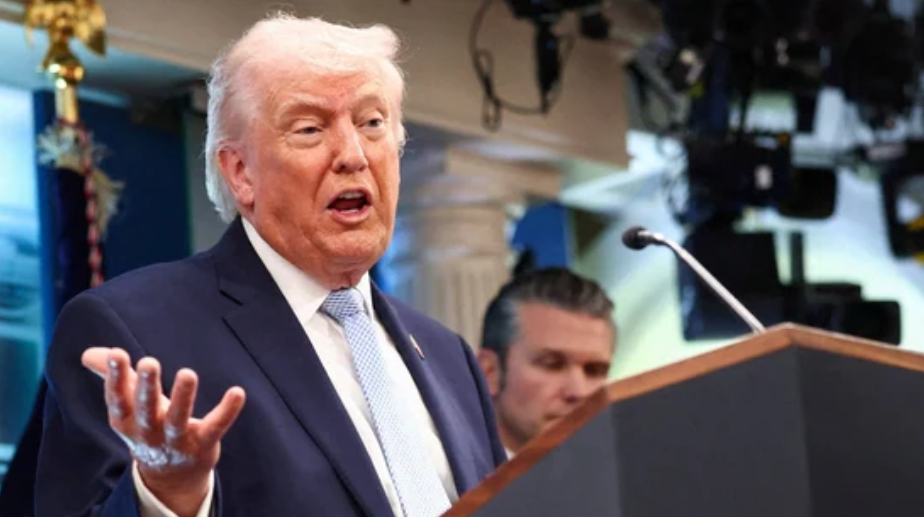
United States President Donald Trump has intensified pressure on European allies, demanding concrete military commitments in the strategic Strait of Hormuz ahead of high-level talks with Iran scheduled for Friday. The move underscores the growing tension in the region and comes amid reports that the White House is evaluating the possible withdrawal of US troops from certain NATO countries.
According to diplomatic sources cited by Reuters, NATO Secretary General Mark Rutte has communicated to European leaders that Trump expects immediate commitments regarding the deployment of warships or other military capabilities to secure the Strait of Hormuz. The US President reinforced this message through a post on Truth Social, emphasizing that NATO countries, including the US itself, often fail to act without pressure.
“None of these people, including our own, very disappointing, NATO, understood anything unless they have pressure placed upon them,” Trump wrote, highlighting his frustration with perceived inaction among allies.
Reports suggest that the White House is weighing a plan to withdraw US troops from NATO member countries that were deemed unhelpful during recent conflicts involving Iran. These forces could potentially be redeployed to countries that have demonstrated stronger support, serving as a punitive and strategic realignment within the alliance. The Wall Street Journal noted that this approach is a recalibration from Trump’s earlier threats to completely withdraw the US from NATO. The plan has reportedly received backing from senior members of the Trump administration.
Over the past few weeks, Trump has publicly criticized NATO, expressing disappointment over the lack of assistance from certain member nations. He has also warned that the US would take note of countries that refused to provide support, while asserting that America could operate independently if necessary.
In parallel, the European Union has reiterated that freedom of navigation in the Strait of Hormuz must be guaranteed without any form of payment or toll. European Commission spokesperson Anouar El Anouni stated that international law mandates unrestricted access, calling it a “public good.”
Iran has agreed to reopen the strait during a two-week truce with the US and Israel but suggested a toll system to fund reconstruction efforts. Trump had previously floated the idea of a joint US-Iran system for the strait, but the White House has now insisted that the waterway be reopened without restrictions, emphasizing strategic and economic security.

The situation highlights growing geopolitical pressure on NATO allies and raises questions about the US role in global security and regional stability.

 English
 Gujarati
 Hindi
Hindi Kannada
 Malayalam
 Marathi
 Punjabi
 Tamil
Tamil Telugu