



 India
India

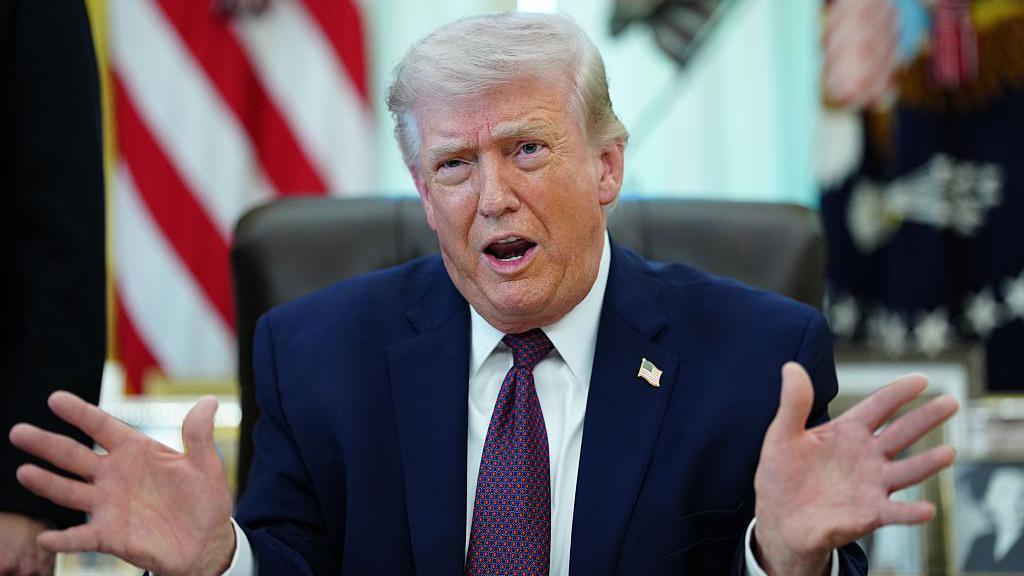
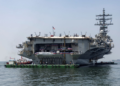
US President Donald Trump on Sunday announced that the United States Navy will begin the process of blocking all vessels entering or exiting the Strait of Hormuz, following the collapse of high-stakes diplomatic talks between Washington and Tehran in Islamabad.
Trump described the situation as a direct response to what he called Iran’s “extortion” tactics in the strategic waterway, which handles nearly one-fifth of global oil shipments. According to him, no vessel that has allegedly paid an “illegal toll” to Iran will be allowed safe passage under the new directive.
In a post on his Truth Social platform, Trump said that while several points in the Islamabad negotiations were agreed upon, the key sticking issue remained Iran’s nuclear programme. He claimed this impasse forced the United States to take immediate maritime action.
“Effective immediately, the United States Navy will begin the process of BLOCKADING any and all ships trying to enter or leave the Strait of Hormuz,” Trump stated, adding that the US would not tolerate what he described as financial coercion on international shipping lanes.
He further alleged that Iran has been using security threats, including the possibility of naval mines, to pressure commercial shipping and extract economic benefits. Calling it “world extortion,” Trump said no country should be forced to pay for safe passage on international waters.
Speaking later to Fox News, Trump reinforced the administration’s position, stating that the blockade would remain in place until Iran agrees to unrestricted maritime access. He also suggested that multiple allied countries could support the enforcement effort, framing it as a broader international response.
Trump added that the United States remains prepared for further escalation, stating that “finishing up” Iran remains an option at an “appropriate moment,” linking the ongoing crisis directly to Tehran’s nuclear ambitions.

The announcement comes amid already heightened tensions in the region. Iranian control measures over the Strait of Hormuz have reportedly disrupted global shipping routes, with multiple vessels delaying or aborting passage in recent weeks due to security risks.
The situation intensified further after the US military confirmed mine-clearance operations in the strait, involving two American warships that recently transited the waterway.
Diplomatic efforts over the weekend in Islamabad aimed at reopening full maritime access reportedly failed to bridge differences between the two sides. The breakdown has raised concerns over energy security, global oil prices, and the stability of one of the world’s most critical maritime chokepoints.
Analysts warn that prolonged disruption in the Strait of Hormuz could have severe implications for global trade, particularly for energy-importing nations heavily dependent on Middle Eastern oil flows.



 English
 Gujarati
 Hindi
Hindi Kannada
 Malayalam
 Marathi
 Punjabi
 Tamil
Tamil Telugu