

 India
India

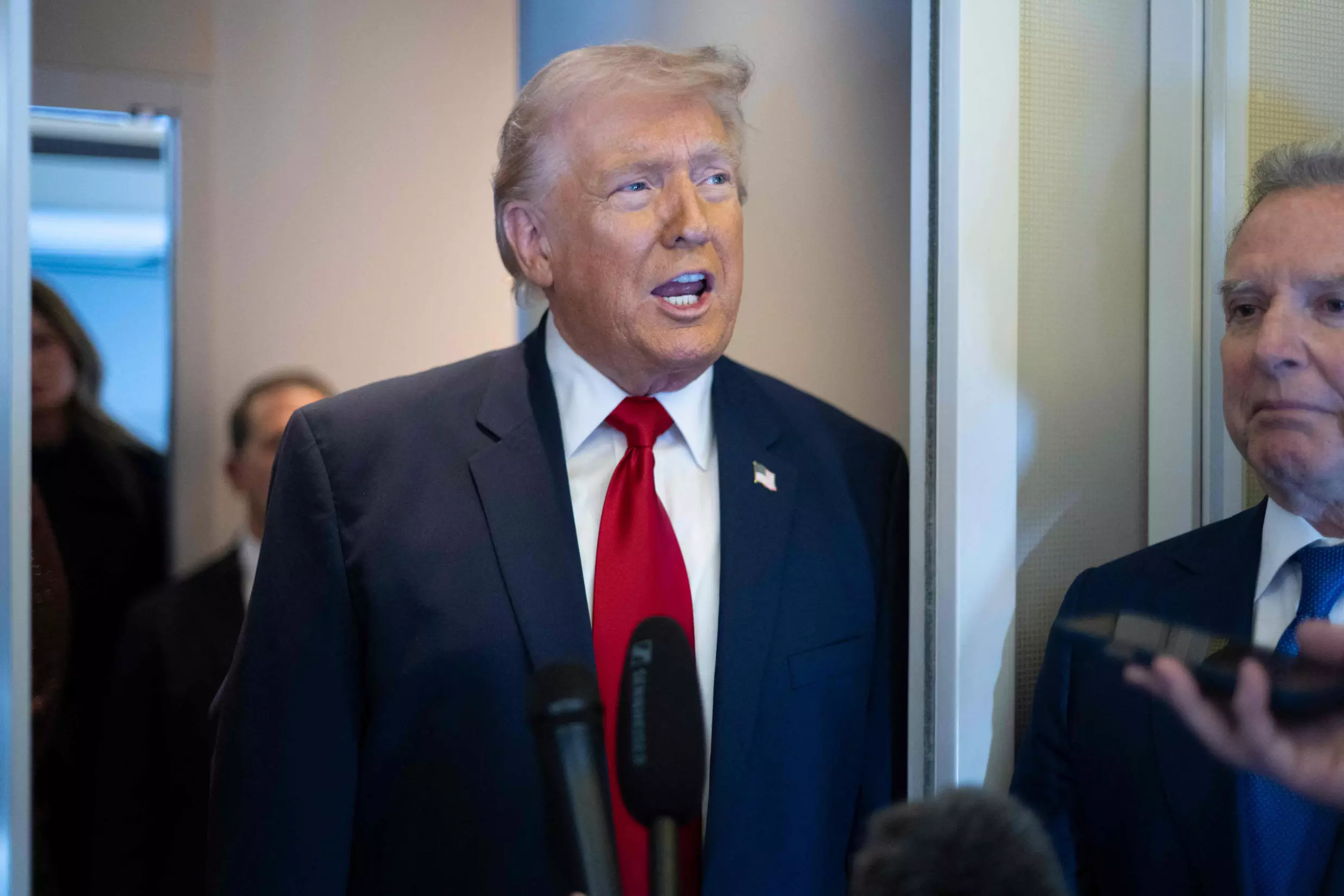
US President Donald Trump has once again accused Iran of repeatedly violating the ongoing ceasefire, casting fresh doubt over the fragile truce just as diplomatic efforts intensify. The remarks come at a critical moment, with the ceasefire deadline approaching and a second round of peace talks expected to take place in Islamabad.
In a post on Truth Social, Trump claimed that “Iran has violated the ceasefire numerous times,” signaling frustration within Washington over what it perceives as Tehran’s lack of compliance. His statement adds to a series of mixed messages from the US administration, which has alternated between pushing for diplomacy and indicating a willingness to prolong the conflict if necessary.
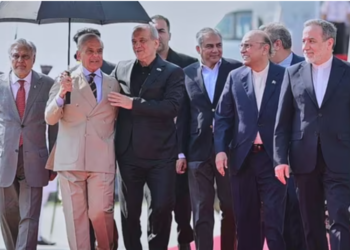
Despite the strong rhetoric, the US is still moving ahead with diplomatic engagement. A delegation led by Vice President JD Vance is reportedly en route to Islamabad to participate in renewed negotiations. According to regional officials cited by the Associated Press, Iranian representatives, including Parliament Speaker Mohammad Bagher Ghalibaf, are also expected to attend, raising cautious hopes for progress.
However, Tehran has maintained a firm stance ahead of the talks. Ghalibaf publicly rejected the idea of negotiating under pressure, stating that Iran would not engage in dialogue “under the shadow of threats.” He also hinted that the country is prepared to escalate if necessary, suggesting that “new cards” could soon be revealed on the battlefield.
Trump’s dual messaging—criticizing Iran while continuing to pursue talks—has contributed to uncertainty around the future of the ceasefire. On one hand, he has indicated that the US is in no hurry to conclude the conflict; on the other, he has expressed expectations that negotiations could still yield results. This ambiguity has left observers questioning whether the upcoming talks will lead to de-escalation or further tension.
The role of Pakistan as a mediator adds another layer of complexity. By hosting the negotiations in Islamabad, regional actors are attempting to create a neutral platform for dialogue, though success will depend heavily on both sides’ willingness to compromise.
As the ceasefire deadline looms, the situation remains highly volatile. Any confirmed violation or escalation on the ground could derail diplomatic efforts entirely. For now, all eyes are on Islamabad, where the next phase of negotiations could determine whether the region moves toward peace or slips back into conflict.



 English
 Gujarati
 Hindi
Hindi Kannada
 Malayalam
 Marathi
 Punjabi
 Tamil
Tamil Telugu