



 India
India

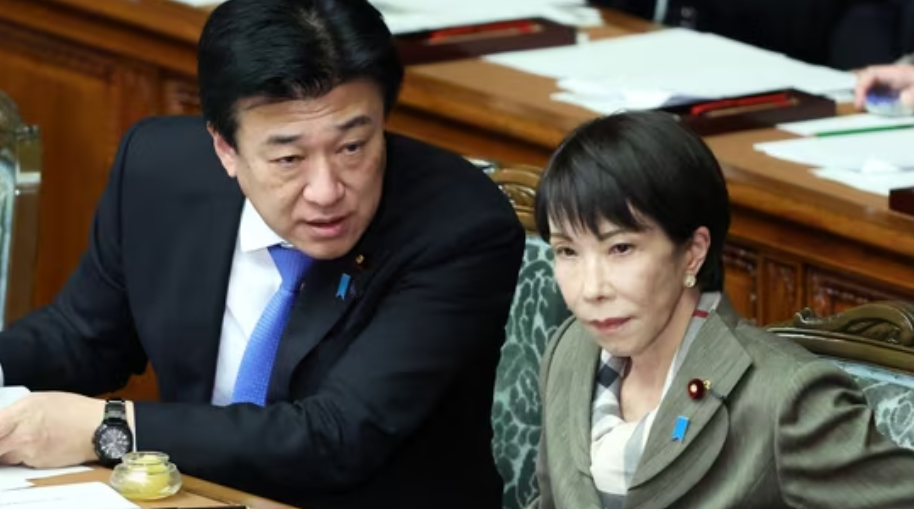
In a historic shift from its long-standing pacifist stance, Japan has decided to lift most of its restrictions on exporting lethal weapons, marking a major turning point in its post-World War II defense policy. The decision was approved by the Cabinet led by Prime Minister Sanae Takaichi, signaling Tokyo’s intent to strengthen its defense capabilities and expand its footprint in the global arms market.
For decades, Japan maintained strict controls on weapons exports under its pacifist constitution, limiting its defense industry largely to domestic needs. However, the new policy change allows Japanese firms to sell military equipment overseas, opening up significant commercial opportunities for companies in the arms sector. Government officials say the move is designed not only to boost economic growth but also to reinforce national security in an increasingly volatile geopolitical environment.
Chief Cabinet Secretary Minoru Kihara emphasized that the decision aligns with Japan’s broader strategy to safeguard its security while continuing to uphold its identity as a peaceful nation. According to him, the updated export rules will enable Japan to contribute more actively to regional and global stability.
The decision comes amid rising tensions in East Asia, particularly involving China. Beijing has reacted strongly to the development, expressing “grave concern” over what it perceives as a shift toward renewed militarism in Japan. Chinese officials warned that such actions could destabilize the region and pledged to remain vigilant against any perceived threats.
Strained relations between the two nations have been further exacerbated by comments from Takaichi suggesting that a potential Chinese attack on Taiwan could directly threaten Japan’s security, possibly prompting a military response. These remarks have heightened sensitivities in Beijing, which views Taiwan as a breakaway province.
In parallel with easing export restrictions, Japan has been ramping up its military capabilities. The country is investing heavily in advanced defense technologies, including missiles, stealth aircraft, and unmanned systems. Lessons drawn from recent conflicts, such as the Russia-Ukraine War, have underscored the growing importance of drones and modern warfare systems.
Tokyo hopes that allowing weapons exports will incentivize domestic firms to innovate and compete globally, particularly in emerging defense technologies. As global military spending continues to rise, Japan aims to position itself as a key player in the international defense market.
While Japan insists the move is defensive and necessary, the policy shift marks a significant departure from its postwar identity—one that is likely to reshape regional dynamics and intensify strategic competition in East Asia.



 English
 Gujarati
 Hindi
Hindi Kannada
 Malayalam
 Marathi
 Punjabi
 Tamil
Tamil Telugu