




 India
India

The conflict between the United States and Iran continues to intensify, with Tehran firmly rejecting a proposed ceasefire and declaring that it will pursue the war “until deemed fit.” The statement comes at a critical moment, as diplomatic efforts to halt hostilities face repeated setbacks and military actions expand across the region.
Iranian officials confirmed that a ceasefire proposal had been received but dismissed it as inadequate, insisting on a “permanent end” to hostilities rather than a temporary pause. A key sticking point remains the Strait of Hormuz, a vital global oil transit route. Iran has refused to reopen the strait under current conditions, despite mounting international pressure and warnings from Washington.
US President Donald Trump has escalated rhetoric, setting a revised deadline for Iran to comply with demands related to the strait or face severe consequences, including potential strikes on critical infrastructure. His warning has further inflamed tensions, reducing the likelihood of near-term negotiations.
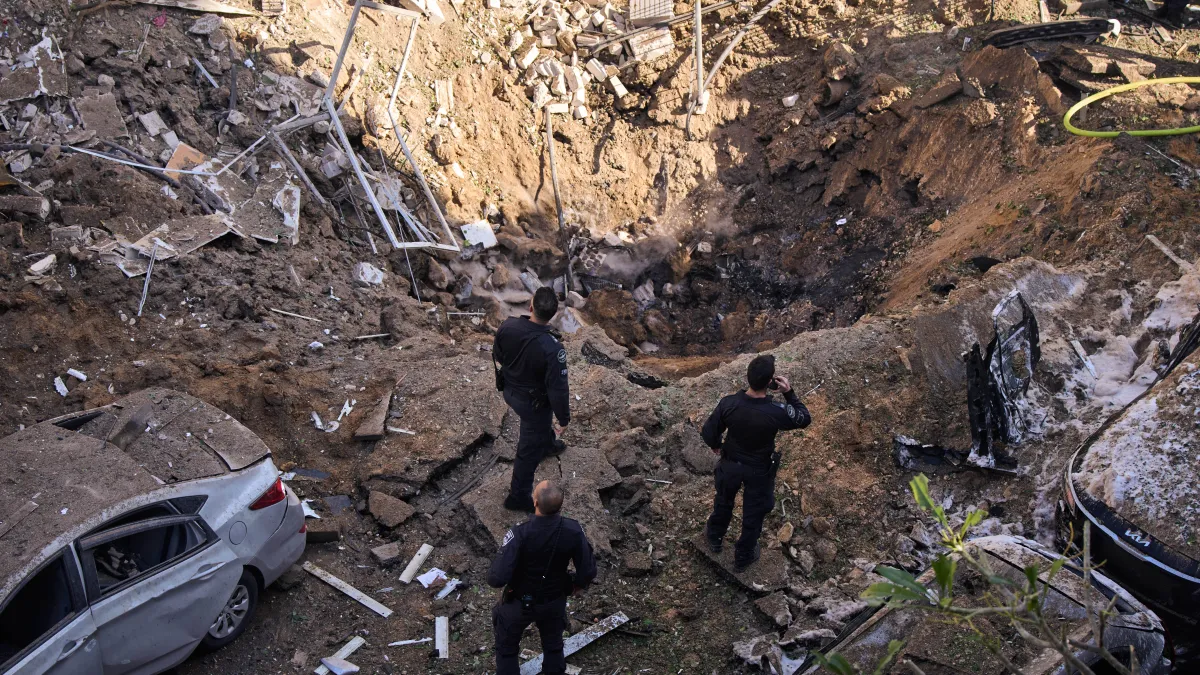
Meanwhile, Israel has intensified its military campaign, launching strikes on dozens of Iranian military facilities, missile sites, and key infrastructure. Among the most significant targets is the South Pars gas field, the world’s largest natural gas reserve shared by Iran and Qatar. The facility is crucial to Iran’s domestic energy supply and Qatar’s global LNG exports. Previous attacks on the site had already triggered retaliatory strikes by Iran on major Gulf energy hubs, including Qatar’s Ras Laffan complex.
The widening conflict has also impacted neighboring countries. Explosions have been reported near US military installations in Jordan, while the United Arab Emirates has recorded injuries following debris from intercepted projectiles. In Lebanon, Israeli airstrikes have resulted in multiple casualties, further broadening the scope of the conflict.
Adding to concerns, the International Atomic Energy Agency has warned against military activity near nuclear facilities, particularly around Iran’s Bushehr plant. Strikes in such sensitive areas raise fears of a potential nuclear safety crisis.
The humanitarian toll continues to rise, with reports indicating thousands of casualties, including civilians. Infrastructure damage has led to power outages and disruptions in gas supply in parts of Iran, especially in Tehran. Economic repercussions are also becoming evident, with global oil prices surging past the $110 mark, prompting airlines and industries to adjust operations.

Despite ongoing mediation efforts, including proposals for a temporary 45-day ceasefire, both sides remain entrenched in their positions. Iran has reiterated that it will not engage in negotiations under threats, while the US maintains pressure through both military and diplomatic channels.
As the situation evolves, the possibility of a broader regional war looms large, with global energy security and geopolitical stability hanging in the balance.




 English
 Gujarati
 Hindi
Hindi Kannada
 Malayalam
 Marathi
 Punjabi
 Tamil
Tamil Telugu