





 India
India

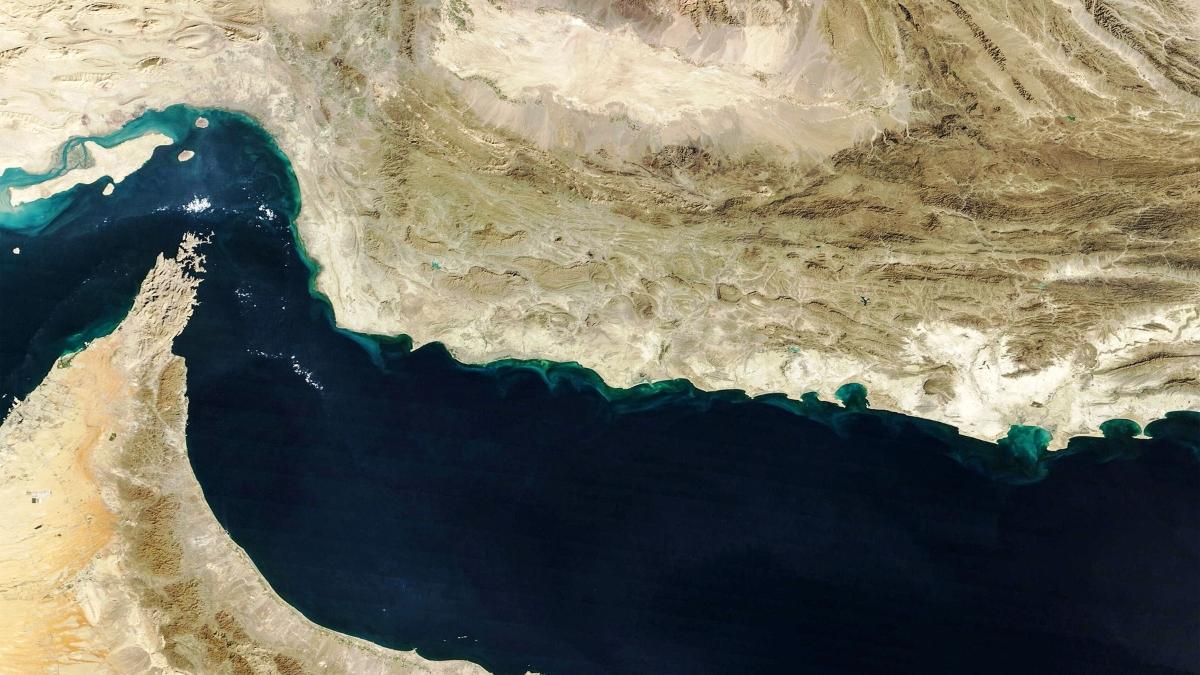
Shipping traffic through the Strait of Hormuz continued to face significant disruption on Thursday, despite the recently agreed ceasefire between the United States and Iran. Reports indicate that Iran will allow no more than 15 vessels to pass through the strategic waterway per day, maintaining strict control over maritime movement.
According to Reuters, only one oil product tanker and five dry bulk carriers navigated the strait in the past 24 hours. Two Iranian-flagged tankers also sailed through Hormuz. While Iran’s Deputy Foreign Minister Saeed Khatibzadeh confirmed that the strait is technically open, he emphasized that each vessel must coordinate with Iranian military authorities to ensure a safe transit. Khatibzadeh cited “technical constraints” resulting from previous attacks and the narrowness of the strait as reasons for the cautious approach.
The Iranian government’s stance aligns with recent radio transmissions to maritime traffic, which reiterated the requirement for prior permission before passage. Sultan Al Jaber, head of Abu Dhabi National Oil Corporation, criticized the arrangement, stating that “conditional passage is not passage. It is controlled by another name,” highlighting concerns over Iran’s economic leverage.
Earlier this week, Iran and the US agreed to a two-week temporary ceasefire, accompanied by Tehran’s 10-point proposal outlining conditions for peace, including sanction relief and control over Hormuz. While US President Donald Trump insisted on the “complete and immediate safe opening” of the strait, Iran’s Supreme Council claimed that Washington has accepted Iran’s authority over the waterway.
The two nations are set to hold peace talks in Islamabad, Pakistan, with Iranian delegations expected to arrive on Thursday. However, gaps remain between Iran’s 10-point plan and the US 15-point proposal, particularly regarding uranium enrichment and access to Hormuz. Tehran has also indicated it may charge fees for ships transiting the strait under a permanent peace deal, depending on vessel type, cargo, and other conditions.
Market reactions were immediate, with oil prices rising over 3 percent on Thursday. Brent crude futures increased by $3.41, or 3.6 percent, reaching $98.16 per barrel. Despite ceasefire agreements, Iran appears ready to maintain control over Hormuz, using the strait as leverage in ongoing negotiations with the United States.





 English
 Gujarati
 Hindi
Hindi Kannada
 Malayalam
 Marathi
 Punjabi
 Tamil
Tamil Telugu