




 India
India

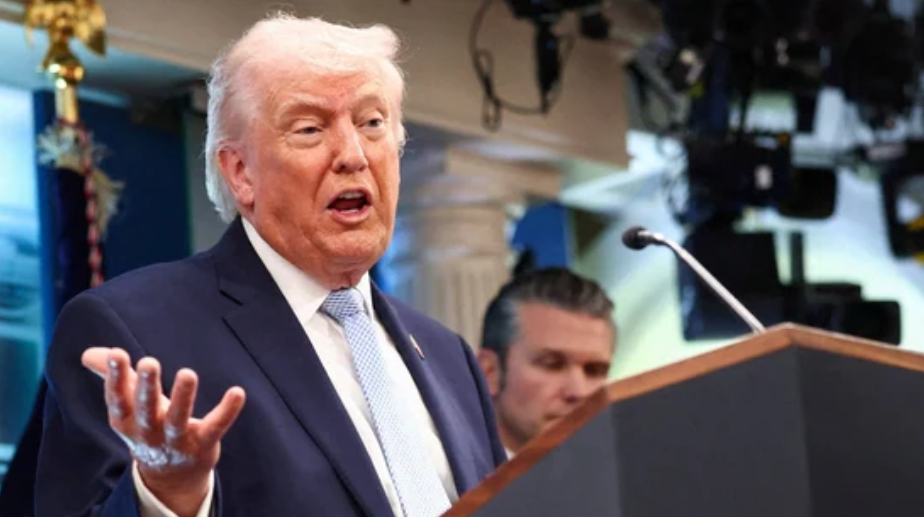
Fresh momentum is building around efforts to revive stalled negotiations between the United States and Iran, with reports suggesting that a new round of peace talks could resume as early as Thursday. According to multiple updates, Geneva and Islamabad are being considered as possible venues for the next phase of discussions aimed at de-escalating tensions across the Middle East.
The developments come after an earlier round of talks in Islamabad reportedly failed to produce a breakthrough over key disputes, particularly surrounding Iran’s nuclear programme and the duration of any suspension of enrichment activity.
Trump signals progress, praises Pakistan’s role
US President Donald Trump indicated that negotiations could restart within days, suggesting that diplomatic channels remain active despite the recent breakdown. He also praised Pakistan’s Army Chief Asim Munir, describing him as playing a “great job” in facilitating discussions.
US officials, including Treasury Secretary Scott Bessent, have also indicated that communication lines with Iranian intermediaries remain open, with negotiators exploring possible formulas for restarting structured talks.
Geneva and Islamabad emerge as possible venues
Diplomatic sources suggest that both Geneva and Islamabad are under consideration for hosting the next round of negotiations. Switzerland has previously offered mediation support, reinforcing its traditional role as a neutral facilitator in global conflicts. Meanwhile, Pakistan continues to position itself as a key regional intermediary in the evolving crisis.
The renewed diplomatic push follows weeks of instability triggered by escalating military activity, maritime disruptions, and rising tensions in the Gulf region.
Strait of Hormuz tensions and global shipping concerns
The situation has been further complicated by developments in the strategic Strait of Hormuz, where shipping activity has been severely disrupted. Reports indicate that vessels paused or altered routes following heightened security concerns and conflicting military signals in the region.
The Strait remains one of the world’s most critical energy corridors, making any disruption a major global economic concern.
Regional spillover and parallel diplomacy
Alongside US–Iran discussions, parallel diplomatic activity is unfolding between Israel and Lebanon, with indirect and direct talks reported in Washington. Meanwhile, European leaders including French President Emmanuel Macron have urged a swift return to ceasefire negotiations to prevent further escalation.
Military and intelligence officials continue to monitor the situation closely, as tensions remain high across multiple fronts in the Middle East.
Outlook remains uncertain
Despite signs of progress, key disagreements—especially over nuclear restrictions and enforcement timelines—continue to block a final agreement. While both sides have shown conditional openness to renewed dialogue, officials caution that outcomes remain uncertain.
For now, the focus is on whether Thursday’s anticipated diplomatic round will materialize and whether Geneva or Islamabad will ultimately host what could become a critical turning point in the crisis.



 English
 Gujarati
 Hindi
Hindi Kannada
 Malayalam
 Marathi
 Punjabi
 Tamil
Tamil Telugu