


 India
India

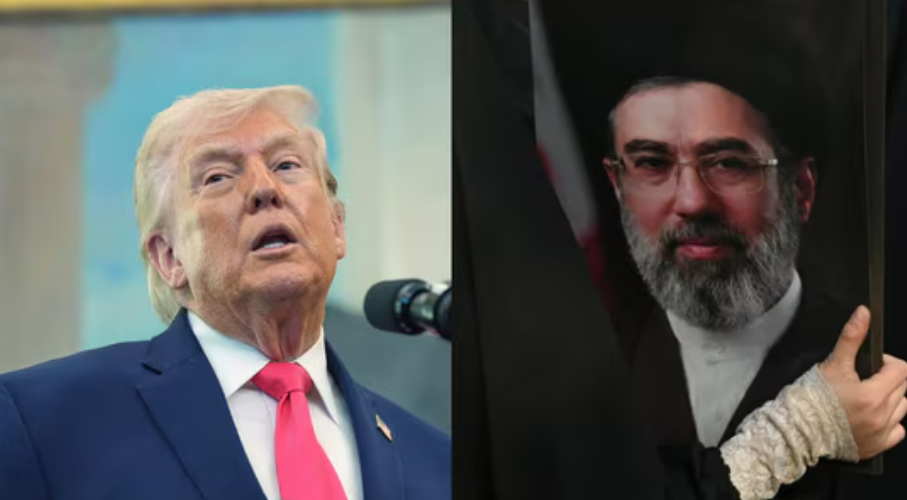
Iran has formally rejected the 15-point ceasefire proposal put forward by US President Donald Trump, describing the plan as “excessive” and issuing a fresh set of demands that could reshape the terms for ending the ongoing conflict. Tehran’s response, reported by state media outlet Press TV, marks the first official reaction from Iranian officials to the US initiative.
According to Iranian authorities, the United States cannot dictate when or how the conflict should end. Tehran emphasized that any cessation of hostilities will occur only on terms acceptable to Iran, asserting the country’s right to determine the timing and conditions of peace.
Central to Iran’s new demands is sovereignty over the strategic Strait of Hormuz, a vital maritime chokepoint through which a significant portion of the world’s oil trade passes. Iranian officials stated that recognition of their sovereignty over the strait is not only a legal and natural right but also essential to ensuring that other commitments by the opposing side are upheld.
In addition to territorial claims, Tehran outlined four other major conditions. The first calls for a complete halt to what Iran describes as “aggression and assassinations” by the US, Israel, and their allies. Secondly, Iran seeks the establishment of concrete mechanisms to prevent the resumption of hostilities against the Islamic Republic in the future. Thirdly, the country demands guaranteed payment of war reparations and compensation for the damages caused by the ongoing conflict. Finally, Iran insists on the conclusion of the war across all fronts, extending protections to all resistance groups operating in the region.
The Iranian government’s stance underscores its firm rejection of external pressure and its insistence on sovereignty and accountability from the United States and Israel. Officials have made it clear that Tehran will not accept unilateral timelines or conditions for ending the war, reiterating that any resolution must meet Iran’s strategic, legal, and national security interests.
This development comes amid rising tensions in the Middle East, with global attention focused on the Strait of Hormuz and its critical role in international energy security. Analysts say Iran’s demands could complicate diplomatic efforts to stabilize the region and resume peace talks, highlighting the complex interplay of military, political, and economic factors influencing the conflict.


 English
 Gujarati
 Hindi
Hindi Kannada
 Malayalam
 Marathi
 Punjabi
 Tamil
Tamil Telugu