




 India
India

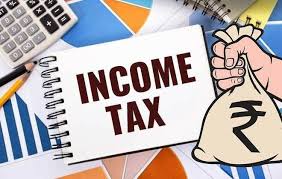
As India prepares for the Union Budget 2026, to be presented by finance minister Nirmala Sitharaman in Parliament on February 1, income tax remains one of the most closely watched policy areas. For millions of salaried individuals, professionals, and businesses, even small changes in tax slabs can have a significant impact on household finances and consumption.
Income tax in India has undergone a dramatic transformation since Independence. In the early years, the system was highly complex, with as many as 11 tax slabs. Over time, successive governments attempted to simplify the structure, broaden the tax base, and balance revenue generation with taxpayer relief. Today, India follows a seven-slab structure under the New Tax Regime, which was further refined in the Union Budget 2025.
According to official data, during the assessment year 2022–23, more than 2.69 lakh entities — including individuals, firms, companies, and trusts — declared incomes exceeding ₹1 crore. This underscores how income tax policy increasingly targets a wide and diverse taxpayer base, making slab revisions politically and economically significant.
A major shift came in the 1994–95 Budget, when then finance minister Dr Manmohan Singh reduced income tax slabs to just three — the lowest ever at the time. Tax rates ranged from 20% to 40%, reflecting India’s gradual move away from extremely high marginal tax rates.
In 1997–98, finance minister P Chidambaram presented his famous “Dream Budget,” further rationalising tax rates. The highest tax rate was brought down to 30%, a landmark reform that shaped India’s modern taxation framework.
Another major relief arrived in the 2005–06 Budget, when individuals earning up to ₹1 lakh were fully exempted from tax. This threshold steadily increased in subsequent years. By 2010–11, the exemption limit had risen to ₹1.6 lakh, and in 2012–13, it was further expanded to ₹2 lakh, reflecting inflationary pressures and rising income levels.
The 2014–15 Budget marked another turning point with the abolition of wealth tax, replaced by a surcharge on individuals earning above ₹1 crore. In 2017–18 and 2018–19, tax relief was extended to middle-income earners, culminating in a full tax exemption for incomes up to ₹5 lakh.

A structural overhaul came in the 2020–21 Budget with the introduction of the New Tax Regime, offering lower rates across multiple slabs in exchange for giving up most exemptions and deductions. This regime was gradually refined in subsequent budgets.
In the Union Budget 2024, the government enhanced the standard deduction under the new regime and adjusted slabs to provide savings of up to ₹17,500 annually. The Union Budget 2025 went further, exempting incomes up to ₹4 lakh and introducing seven slabs with progressive rates topping out at 30% for incomes above ₹24 lakh.
As Budget 2026 approaches, taxpayers are once again hopeful that the government will continue its push toward simplification, relief for the middle class, and a more predictable tax structure aligned with India’s economic growth goals.




 English
 Gujarati
 Hindi
Hindi Kannada
 Malayalam
 Marathi
 Punjabi
 Tamil
Tamil Telugu