 India
India

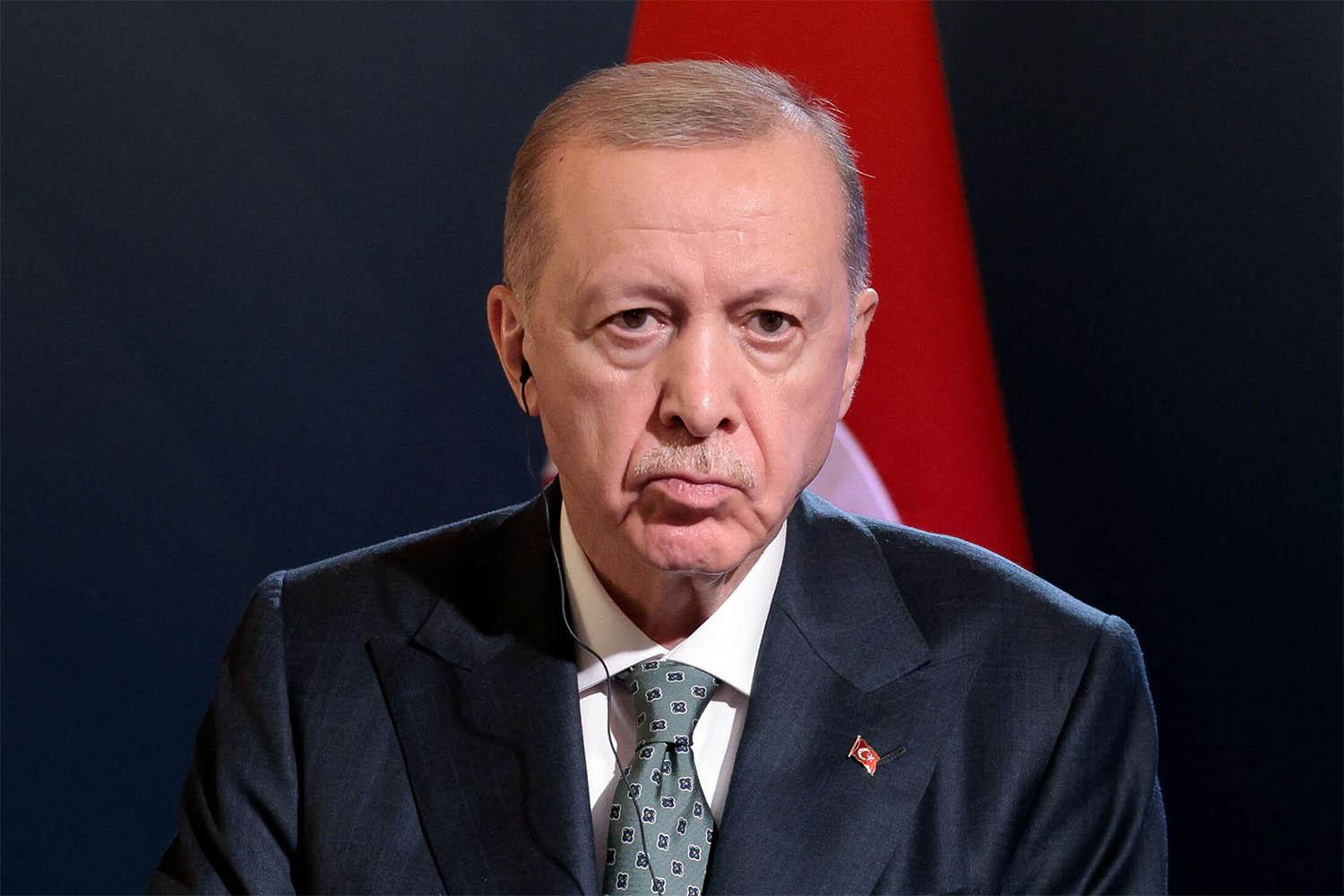
Iranian President Masoud Pezeshkian has accused the United States, Israel and European powers of conducting what he described as a “total war” against Iran, warning that the pressure campaign facing the Islamic Republic is more complex and dangerous than past military conflicts. His remarks come amid heightened regional tensions, renewed sanctions and the collapse of nuclear negotiations following recent military escalation.
In an interview published on Saturday by the official website of Iran’s supreme leader Ayatollah Ali Khamenei, Pezeshkian said Tehran was confronting a coordinated strategy aimed at weakening the country on multiple fronts. “In my opinion, we are at total war with the United States, Israel and Europe. They want to bring our country to its knees,” the Iranian president said, speaking six months after Israel and the US carried out strikes on Iranian territory.
Pezeshkian’s comments follow a brief but intense 12-day conflict between Israel and Iran in June, triggered by what Iranian officials described as an unprecedented Israeli attack on Iranian military installations, nuclear facilities and civilian areas. The confrontation marked one of the most direct military exchanges between the two sworn enemies in recent years and pushed the region to the brink of a wider war.
According to Iranian authorities, the strikes resulted in more than 1,000 casualties. The conflict escalated further when the United States joined the operation, launching airstrikes on three Iranian nuclear sites. Washington’s intervention effectively derailed indirect negotiations that had begun in April between Tehran and Western powers over Iran’s nuclear programme.
“This war is worse than the one launched against us by Iraq,” Pezeshkian said, referring to the devastating 1980–1988 Iran-Iraq war that claimed hundreds of thousands of lives. “On closer inspection, it is far more complex and difficult,” he added, suggesting that Iran now faces not just military threats but economic warfare, diplomatic isolation and information campaigns.
Tensions have also been fuelled by Europe’s role in reviving international pressure on Tehran. France, Britain and Germany were instrumental in the reimposition of United Nations sanctions on Iran in September, citing concerns over its nuclear activities. Western governments continue to accuse Iran of seeking to acquire nuclear weapons — an allegation Tehran has repeatedly denied, insisting its nuclear programme is strictly for civilian purposes.
The situation has further deteriorated since US President Donald Trump returned to the White House in January. Trump has reinstated his “maximum pressure” policy against Iran, first introduced during his initial term, aimed at crippling Iran’s economy through sweeping sanctions. These measures target key sectors, particularly Iran’s oil exports, in an effort to cut off vital revenue streams.

As diplomatic channels remain frozen and regional tensions simmer, Pezeshkian’s remarks underscore Tehran’s view that it is locked in a prolonged, multifaceted confrontation with Western powers — one that extends far beyond the battlefield and into the economic and political survival of the state.
 English
 Gujarati
 Hindi
Hindi Kannada
 Malayalam
 Marathi
 Punjabi
 Tamil
Tamil Telugu