




 India
India

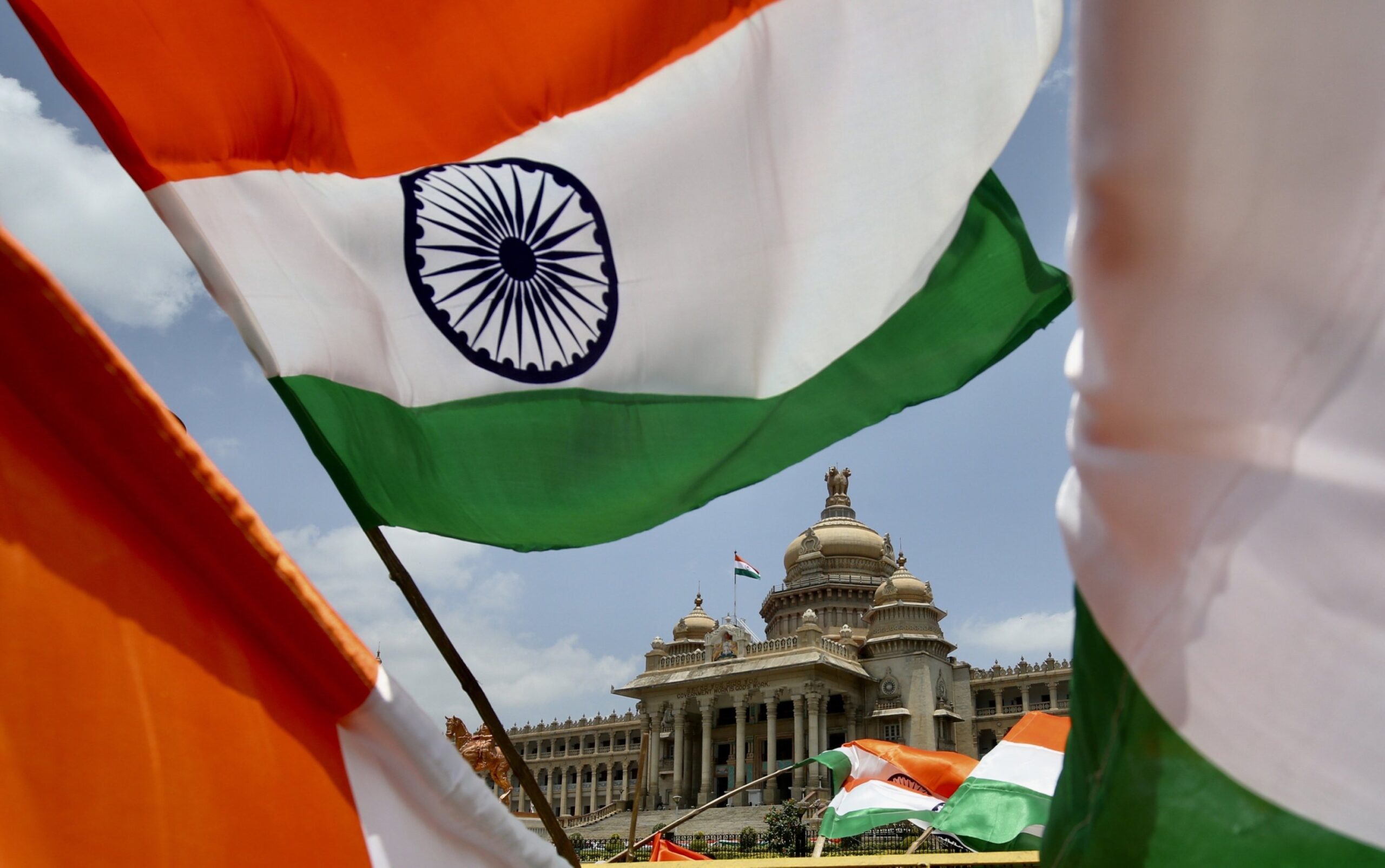
India has officially crossed a symbolic milestone on the Asia Power Index-2025, securing its place among the region’s “major powers” for the first time. The assessment, released by Australia’s Lowy Institute on Friday, attributes India’s rise to sustained economic growth, stronger military capability, and the global attention drawn by its performance in Operation Sindoor earlier this year.
The Asia Power Index — one of the most closely watched barometers of regional influence — evaluates countries on both hard and soft power, measuring everything from military strength to diplomatic networks. In 2024, India remained classified as a middle power with a comprehensive score of 38.1. The latest report, however, shows that India’s score has climbed to 40, just enough to enter the “major power” category.
India now stands third overall, behind only the United States and China. Japan follows closely at fourth place with 38.8 points.
A key driver of India’s upward shift is its enhanced economic capability. The country has overtaken Japan to claim the third spot in this category, buoyed by resilient GDP growth, expanding markets, and a surge in inward investment. Over the past decade, India has emerged as the world’s second-most attractive destination for global capital after the United States, surpassing China — a shift the report links to supply-chain diversification and India’s rising economic credibility.
The think tank notes that India’s military capability has also improved, bolstered by better expert appraisals that reflect lessons from Operation Sindoor, launched in May 2025. The operation, which captured global attention, added to India’s recent combat experience and strengthened perceptions of its readiness and strategic posture.
Yet, the Lowy Institute cautions that India’s rise in material power has not been matched by equivalent gains in influence. Its most significant weakness lies in defence networks, where it has slipped to the 11th position, overtaken by the Philippines and Thailand. The report highlights that India’s diplomatic and defence partnerships have not grown at a pace that aligns with its expanding resources, contributing to an expanding “Power Gap” — the mismatch between a nation’s expected influence and its actual performance.
Despite this imbalance, the Lowy Institute stresses that India’s trajectory remains upward. Its growing relevance in global supply chains, rising international leverage, and deepening technology footprint all signal that India’s transformation into a major Asian power is well underway — even as strategic challenges remain in converting capability into influence.





 English
 Gujarati
 Hindi
Hindi Kannada
 Malayalam
 Marathi
 Punjabi
 Tamil
Tamil Telugu