

 India
India

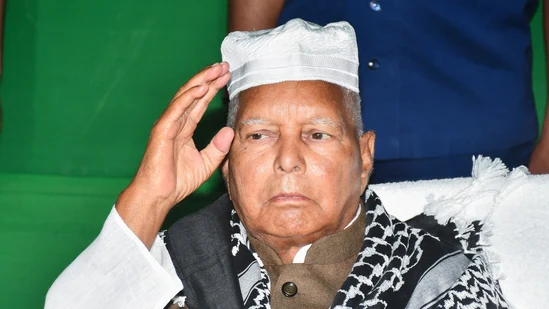
The timing of Lalu Prasad Yadav and Rabri Devi’s plea in the IRCTC scam case couldn’t be more politically charged. Just as Bihar gears up for elections, with voting slated for November 6 and 11, the former Chief Minister and his wife have sought four weeks’ time to prepare for the examination of witnesses. The optics are striking — a courtroom battle running parallel to an electoral one.
The plea, filed right as the court was set to begin examining witnesses on a day-to-day basis, signals a tactical pause. The defense has argued that the short interval between the framing of charges and the commencement of prosecution evidence left them unprepared. Yet, this legal request doubles as a political shield — allowing the RJD leader to deflect courtroom appearances while campaigning intensifies.
For the CBI, however, the delay is a red flag. Prosecutors insisted that proceedings start immediately, underscoring the long-drawn nature of corruption cases involving powerful political figures. The court’s decision to hear witnesses from outside Delhi hints at judicial impatience toward further adjournments.
The shock value lies not just in the timing but in the symbolism: a corruption-tainted leader once again invoking procedural grounds to buy time as elections loom. For the ruling NDA, this development reinforces its central campaign theme — corruption and dynasty politics. For Lalu’s RJD, the narrative of political targeting may find renewed life.
This legal-political overlap underscores how India’s courts often become an extension of the campaign trail — and how justice and politics continue to collide, especially when votes are at stake.


 English
 Gujarati
 Hindi
Hindi Kannada
 Malayalam
 Marathi
 Punjabi
 Tamil
Tamil Telugu