



 India
India

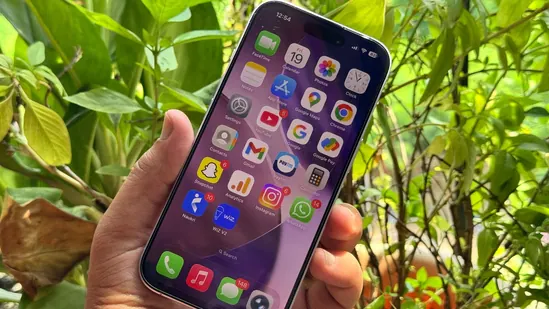
Denmark has announced plans to introduce a social media ban for children under the age of 15, as part of a broader initiative to protect young people from the negative impacts of excessive online activity. Prime Minister Mette Frederiksen revealed the plan during a speech to parliament at the opening of its autumn session, emphasizing concerns over the influence of smartphones and social media on childhood experiences.
While the Prime Minister did not specify which platforms would be included in the ban, nor provide detailed implementation strategies, the proposed bill would allow parents to grant permission for children aged 13 and above to access social media networks. Frederiksen expressed concern that digital devices are depriving children of crucial social interactions, citing a survey in which 60 per cent of Danish boys aged 11 to 19 reportedly preferred staying home over spending time with friends.
“The cell phone and social media are robbing our children of their childhood,” Frederiksen stated, highlighting the importance of ensuring children can enjoy offline activities and social engagement without excessive digital distractions.
Denmark’s move follows similar global initiatives aimed at minimizing online harm for minors. Australia has been a forerunner in this domain. In late 2024, the Australian parliament passed legislation banning social media use for children under 16. The law covers platforms such as Facebook, Snapchat, TikTok, and YouTube, although the precise methods of enforcing the ban are yet to be finalized.
Additionally, Greece has proposed establishing an “age of digital adulthood” across the European Union, which would require parental consent for children to access social media, setting a potential benchmark for digital regulations in the 27-country bloc.
The Danish government’s proposed ban reflects growing concerns worldwide regarding the psychological, social, and developmental effects of social media on children. Studies increasingly show that prolonged use of digital devices can impact mental health, reduce physical activity, and limit real-world social interactions. By restricting access to social media for younger users, Denmark aims to encourage healthier childhood development while still allowing parental oversight for early teenagers.
As the bill moves forward, details regarding enforcement, platform restrictions, and penalties for non-compliance are expected to be clarified. The initiative signals Denmark’s commitment to safeguarding its younger population from the potentially harmful effects of online engagement while balancing parental authority and digital freedom.





 English
 Gujarati
 Hindi
Hindi Kannada
 Malayalam
 Marathi
 Punjabi
 Tamil
Tamil Telugu