



 India
India

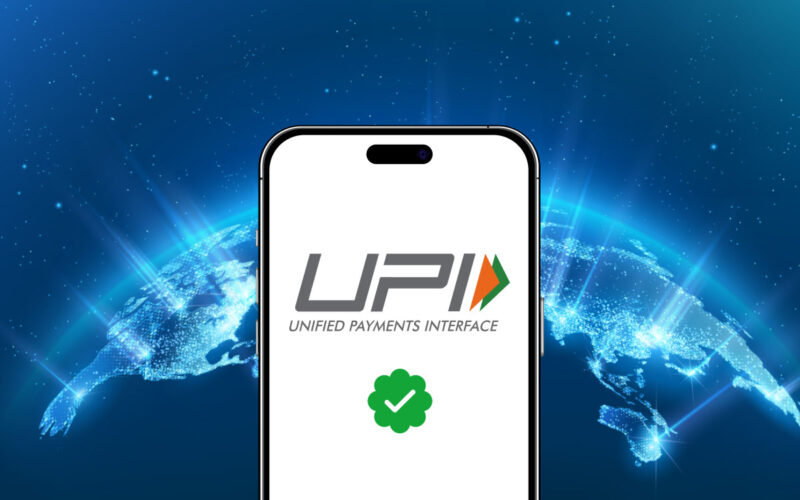

Trinidad and Tobago has officially joined the global digital payment revolution by becoming the first Caribbean country to adopt India’s BHIM app and the Unified Payments Interface (UPI) system. With this move, it becomes the eighth country worldwide to enable UPI-based transactions, marking a significant step in digital diplomacy between the two nations.
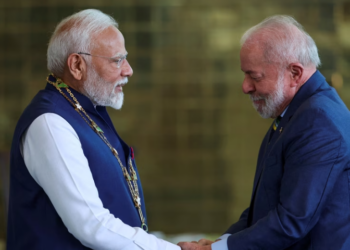
Indian Prime Minister Narendra Modi extended his congratulations, hailing the milestone as a symbol of India’s growing digital influence. The announcement came during Modi’s visit to Trinidad and Tobago from July 3 to 4, upon the invitation of Prime Minister Kamla Persad-Bissessar. During this landmark visit, both nations committed to enhanced cooperation in the digital domain.
The two countries have also agreed to expand the use of India Stack solutions, including DigiLocker, e-Sign, and the Government e-Marketplace (GeM). This further cements Trinidad and Tobago’s role as a pioneer in embracing Indian fintech innovations.
With this inclusion, Trinidad and Tobago joins a select group of countries that have adopted India’s UPI infrastructure:
France: First European country to adopt UPI at iconic locations like the Eiffel Tower (2024).
UAE: Enabled QR-based UPI transactions across major malls and retail hubs (2021).
Bhutan: First neighbouring country to implement BHIM UPI QR codes (2021).
Nepal: Rolled out UPI cross-border payments via Fonepay in 2024.
Mauritius: Launched UPI and RuPay card services with a domestic designation (2024).
Sri Lanka: Introduced UPI services in parallel with Mauritius, strengthening bilateral ties.
Singapore: Enabled UPI via QR at retail, dining, and tourist venues through HitPay (2023).
As India exports its digital public infrastructure globally, this development marks a major leap in South-South cooperation and strengthens India’s role in leading secure, efficient, and inclusive fintech solutions worldwide.



 English
 Gujarati
 Hindi
Hindi Kannada
 Malayalam
 Marathi
 Punjabi
 Tamil
Tamil Telugu