


 India
India

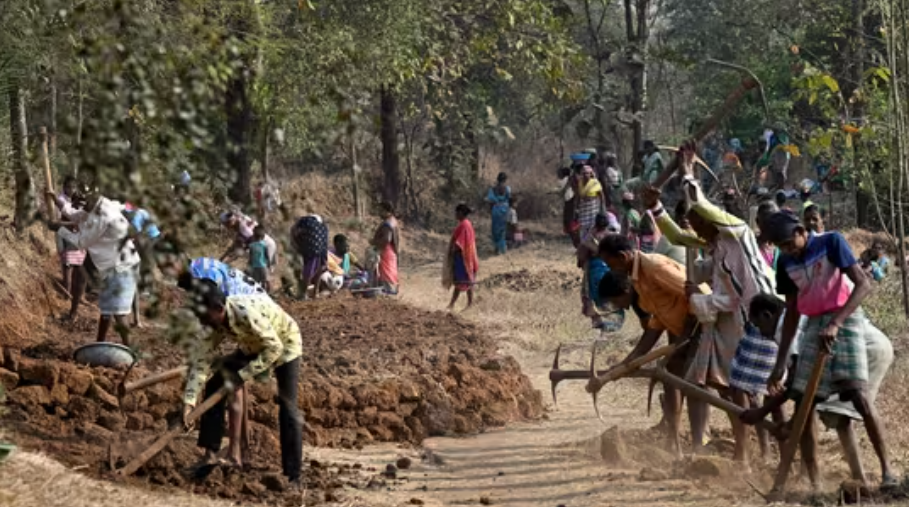
The International Monetary Fund (IMF) has slightly upgraded India’s economic growth forecast for the financial year 2026-27, raising it to 6.5%. This marks a marginal increase of 0.1 percentage point from its earlier projection made in January. The revision reflects improved external conditions for India, particularly a reduction in US tariffs on Indian goods, which the IMF noted could help offset some of the negative spillovers from global geopolitical tensions.
According to the latest update, the tariff relief—cutting duties from 50% to 10%—is expected to support India’s export competitiveness and cushion the economy against global disruptions. However, the IMF cautioned that ongoing instability in West Asia, particularly the conflict triggered by US-Israeli strikes in Iran earlier this year, continues to weigh on global economic sentiment.
The IMF also revised its global growth forecast downward, trimming expectations from 3.3% to 3.1% for 2026. This reflects weaker-than-expected momentum in the world economy, which had previously shown resilience despite rising protectionist trade policies and geopolitical uncertainty. The global economy is now projected to slow from 3.4% growth in 2025 to a lower trajectory in 2026.
In addition to the slowdown in growth, the IMF has raised its global inflation forecast to 4.4% in 2026, up from the earlier estimate of 4.1%. Inflationary pressures have been largely attributed to escalating energy prices following instability in the Middle East, including disruptions linked to tensions around the Strait of Hormuz and retaliatory strikes on energy infrastructure in Gulf nations.
The IMF highlighted that the global economy had been benefiting from strong investment trends, particularly in artificial intelligence and data centre expansion, which were expected to provide a boost to productivity and growth. However, IMF Chief Economist Pierre-Olivier Gourinchas noted that the ongoing conflict in West Asia has disrupted this momentum.
“War in the Middle East has halted this momentum,” Gourinchas wrote in a blog post accompanying the World Economic Outlook report. He added that while some temporary easing in tensions has been observed, the economic damage has already been significant, and risks remain tilted to the downside.
The IMF’s baseline outlook assumes that the West Asia conflict remains short-lived and that energy price increases will moderate to around 19% this year. However, it also warned of a more severe scenario in which prolonged conflict could significantly impact global growth. In such a case, global expansion could fall to 2% in both 2026 and 2027, driven by sustained energy shocks and weakening investor confidence.
Despite global uncertainties, India’s revised growth outlook signals relative resilience, supported by trade adjustments and strong domestic demand fundamentals. However, economists note that external risks remain elevated, particularly if geopolitical tensions persist or escalate further in key energy-producing regions.




 English
 Gujarati
 Hindi
Hindi Kannada
 Malayalam
 Marathi
 Punjabi
 Tamil
Tamil Telugu