




 India
India

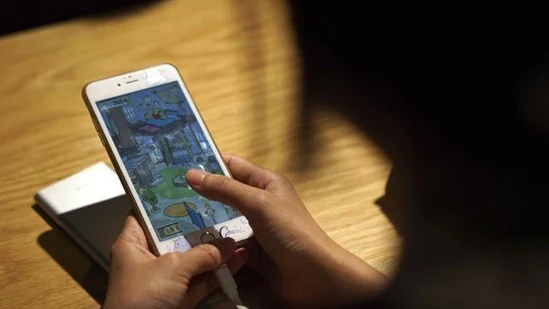
Ghaziabad has been shaken by the tragic deaths of three minor sisters, aged 16, 14, and 12, who jumped from the ninth floor of their apartment building in Sahibabad. Police investigations suggest that a Korean online “love game” may have played a significant role in influencing their thoughts and behaviour.
According to police, the sisters were “highly addicted” to a task-based Korean game, where players assume fictional characters and complete various missions. Diary entries and sketches recovered from their home indicate that the girls had begun to identify themselves as Korean princesses rather than Indians. The diaries contained repeated references to Korean culture and the game’s fictional world, suggesting a deep psychological immersion, reportedly intensified during the Covid-19 pandemic.
Investigators said the sisters locked themselves inside a puja room after midnight and used a chair to reach the window from which they jumped, one after another. Eyewitnesses described seeing the first sister jump while the other two fell while attempting to stop her. The tragedy unfolded despite recent parental attempts to restrict mobile phone use, which may have caused additional distress for the minors.
Trans-Hindon DCP Nimish Patil confirmed that the suicide note did not name a specific app but clearly showed the girls’ fascination with Korean culture. Their father told police that he was unaware of the game’s task-based nature and only learned its structure after the phones were examined. He also mentioned that his daughters frequently expressed a desire to travel to Korea.
Police continue to investigate how the combination of online gaming addiction and cultural influence intersected in this tragic case. Experts have highlighted the psychological risks of immersive online games, especially those that encourage identification with fictional characters or foreign cultures. The Ghaziabad incident has sparked discussions on the importance of monitoring minors’ digital activity and providing adequate mental health support, particularly in the post-pandemic context.




 English
 Gujarati
 Hindi
Hindi Kannada
 Malayalam
 Marathi
 Punjabi
 Tamil
Tamil Telugu