
 India
India

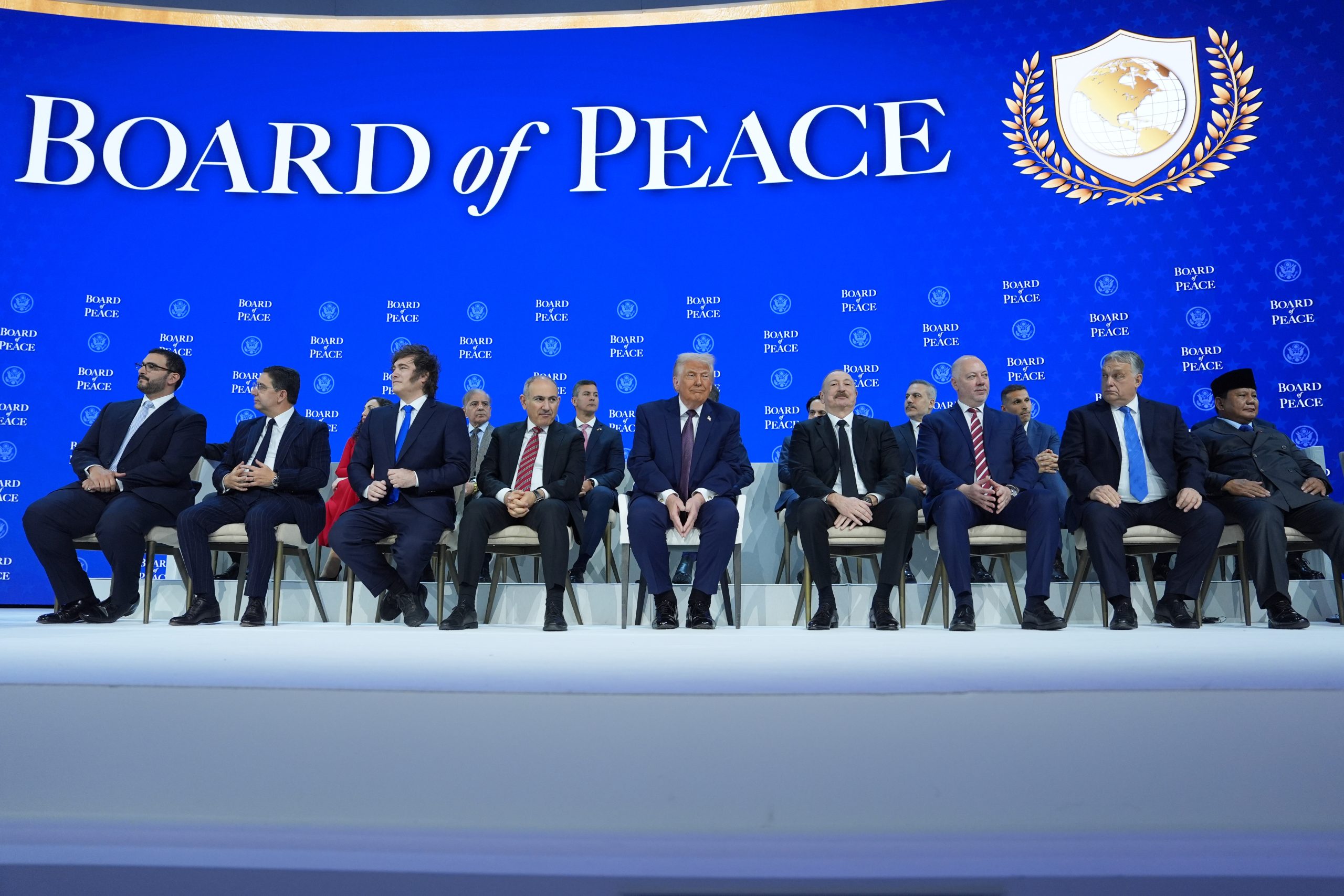
US President Donald Trump’s ambitious “Board of Peace” has so far attracted 26 member nations, even as the world’s most powerful economies—including the entire G7—have chosen to stay out. The initiative, originally unveiled as part of Trump’s 20-point ceasefire plan for Gaza, has increasingly come under fire for what critics say is a dramatic shift in purpose: from facilitating peace in Gaza to positioning itself as a parallel global conflict-resolution body, potentially replacing the United Nations.
According to the Board of Peace (BoP) charter, the organisation aims to “promote stability, restore dependable and lawful governance, and secure enduring peace in areas affected or threatened by conflict.” While the original White House draft limited the body’s role to overseeing the implementation of the Gaza ceasefire, the final charter significantly broadens its scope, raising alarm among US allies and international institutions.
Pakistan is among the 26 countries that have joined the Trump-led body, alongside nations from West Asia, Eastern Europe, Central Asia, Latin America and Southeast Asia. Notably absent, however, are the G7 nations—Canada, France, Germany, Italy, Japan, the United Kingdom and the European Union as a bloc.
Several US allies have openly rejected the initiative. France, Germany and the UK have cited concerns over the absence of explicit references to Gaza in the charter, Trump’s aggressive trade policies, and his controversial territorial demand for Greenland from Denmark. Italy, while expressing interest, said its constitution prevents participation under the board’s current framework. German Chancellor Friedrich Merz echoed similar reservations, suggesting alternative formats for cooperation instead.
Canada initially signalled openness but balked at the proposed $1 billion renewal fee after three years. Following Canadian Prime Minister Mark Carney’s sharp remarks at Davos, Trump reportedly withdrew Canada’s invitation altogether.
The European Union has also voiced serious constitutional concerns. A confidential EU analysis dated January 19 warned that the Board of Peace concentrates excessive power in the hands of its chairman—Donald Trump—raising red flags about democratic oversight and legal autonomy. Reuters reported that EU officials believe the charter diverges sharply from the UN Security Council’s Gaza-specific mandate.
While Trump has often branded BRICS as anti-American, three BRICS nations—Saudi Arabia, the UAE and Egypt—have joined the board, largely due to their mediator roles during the Israel-Gaza war. However, founding BRICS members India, Brazil, China and Russia have either declined or not yet accepted invitations. South Africa was not invited at all, reportedly due to Trump’s controversial allegations against the country.

Israel, despite being a central stakeholder in the Gaza conflict, is not yet an official member. Prime Minister Benjamin Netanyahu initially opposed the board’s structure but later agreed to join, with formal confirmation still pending.
As global scepticism grows, Trump’s Board of Peace appears to be shaping up as a deeply polarising experiment—one that exposes widening fractures in international diplomacy rather than bridging them.

 English
 Gujarati
 Hindi
Hindi Kannada
 Malayalam
 Marathi
 Punjabi
 Tamil
Tamil Telugu