 India
India

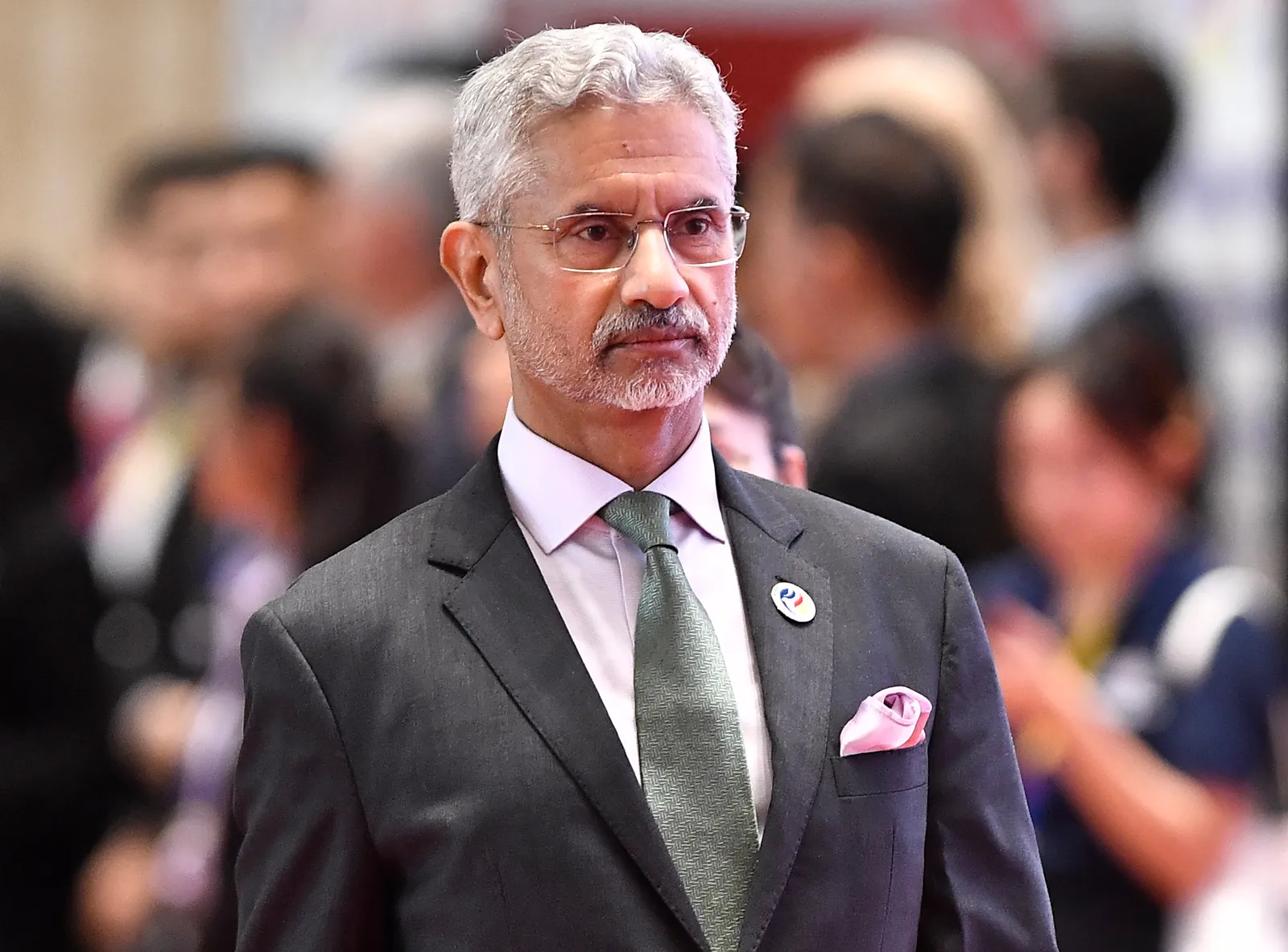
External affairs minister S Jaishankar on Friday delivered a strong message on India’s neighbourhood policy, asserting that New Delhi has every right to defend its citizens against terrorism supported by “bad neighbours”, an apparent reference to Pakistan. Speaking during an interaction with students at the Indian Institute of Technology (IIT)-Madras in Chennai, Jaishankar said India’s ties with neighbouring countries are guided by their conduct, not sentiment.
Jaishankar noted that India has consistently invested in, helped, and shared resources with neighbouring nations whenever they demonstrated good neighbourliness. However, he stressed that such goodwill cannot be extended unconditionally. “When you have bad neighbours, and if a country decides that it will deliberately, persistently and unrepentantly continue supporting terrorism, then we have a right to defend our people,” he said, underlining that India alone will decide how that right is exercised.
Referring to Operation Sindoor, launched on May 7 last year in response to the Pahalgam terror attack that killed 26 civilians, Jaishankar said no external power can dictate how India protects itself. He also linked India’s decision to suspend the Indus Waters Treaty of 1960 to Pakistan’s continued support for terrorism, saying goodwill arrangements cannot survive in the absence of basic neighbourly behaviour. “You can’t ask for shared water while continuing terrorism. That’s not reconcilable,” he remarked.
The minister also criticised China over the detention of an Indian woman from Arunachal Pradesh, Pema Wangjom Thongdok, who was held while transiting through Shanghai airport last November. Jaishankar said India had formally protested the incident, making it clear that such actions would not change the reality that Arunachal Pradesh “is and will always remain part of India”. He added that international conventions governing transit must be respected by all countries.
On Bangladesh, Jaishankar said India hopes for stability and improved ties as the country heads into elections scheduled for February 12. He recently travelled to Dhaka to attend the funeral of former prime minister Khaleda Zia and conveyed a message that India’s growth can act as a “lifting tide” for the entire region. During the visit, he also handed over a letter from Prime Minister Narendra Modi to BNP leader Tarique Rahman, speaking of a possible new beginning in bilateral relations.
Highlighting India’s “Neighbourhood First” policy, Jaishankar pointed to vaccine supplies during the Covid-19 pandemic, assistance with food, fuel and fertilisers amid the Ukraine conflict, and a $4 billion support package extended to Sri Lanka during its economic crisis. He said cooperation with neighbours also extends beyond crises, including connectivity projects, trade, tourism and medical services.
Responding to a question from an Afghan student, Jaishankar said India remains committed to a people-centric approach towards Afghanistan, especially in areas such as development aid, food, vaccines and humanitarian assistance, even as the country navigates a difficult phase.


 English
 Gujarati
 Hindi
Hindi Kannada
 Malayalam
 Marathi
 Punjabi
 Tamil
Tamil Telugu