
 India
India

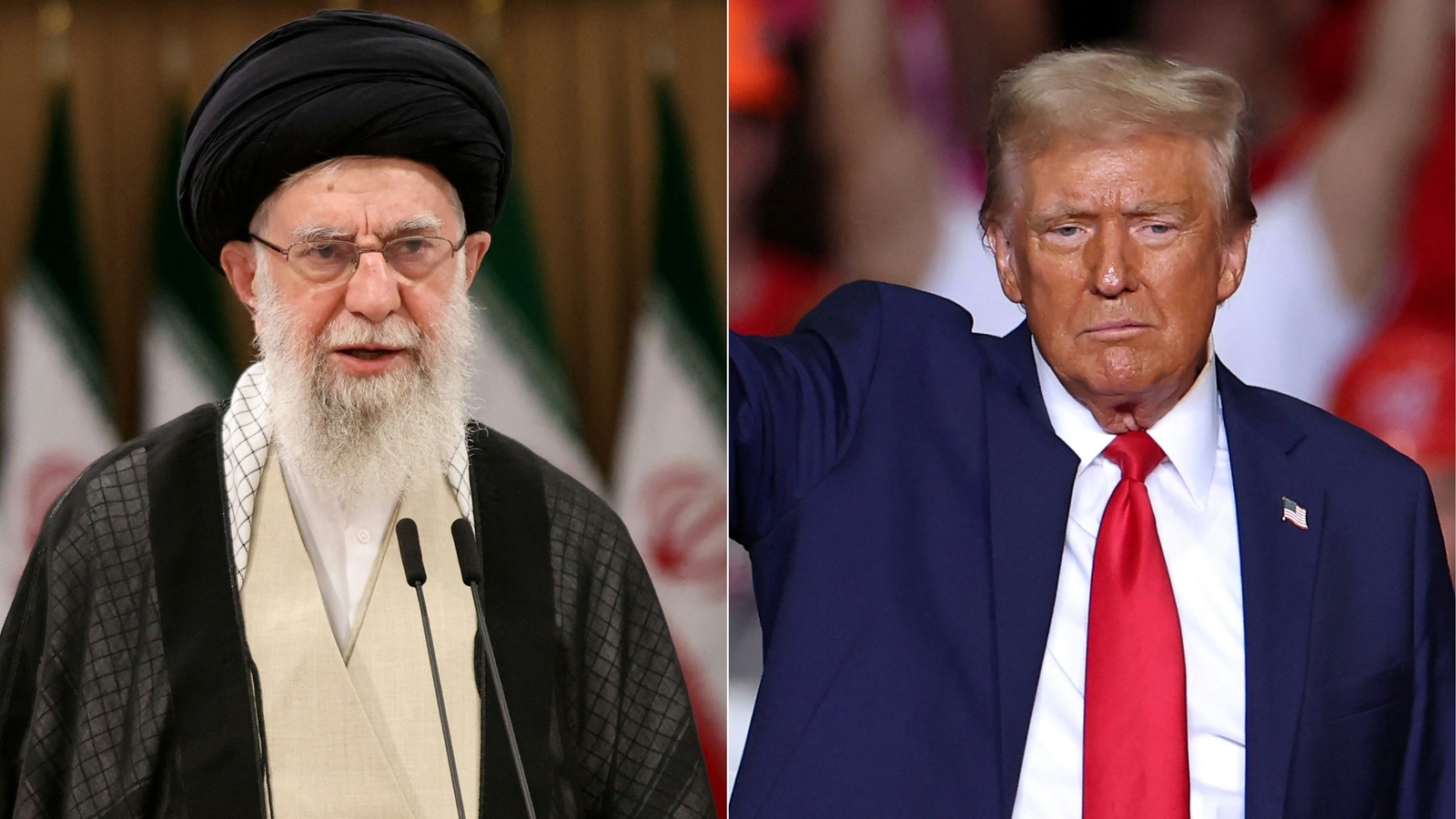
Tensions between Iran and the United States have sharply escalated after Tehran warned that American military bases in the region would be considered “legitimate targets” if Washington takes aggressive action, following former US President Donald Trump’s stern warning over Iran’s handling of ongoing protests.
Iran’s parliament speaker issued the warning on Friday, hours after a senior adviser to Supreme Leader Ayatollah Ali Khamenei cautioned that any US interference in Iran’s internal affairs would plunge the wider region into chaos. The strong statements come amid days of widespread unrest across Iran, triggered by economic hardship and a rapidly deteriorating currency.
Donald Trump, reacting to the unfolding situation, had earlier declared that the United States was “locked and loaded” and would intervene if Iranian authorities used lethal force against peaceful demonstrators. His remarks added a sharp international dimension to protests that began as domestic economic grievances but have now evolved into a broader challenge for the Iranian leadership.
At least seven people have been killed in clashes between security forces and protesters since demonstrations erupted earlier this week, according to reports. The protests reportedly began in Tehran, where shopkeepers and traders gathered to criticise the government’s response to a steep fall in the national currency, weak economic growth and soaring prices. From the capital, demonstrations quickly spread to other cities, underscoring the depth of public anger.
Iran’s economy has been under severe strain, with official data showing inflation reaching 42.5 per cent in December. The Iranian rial has continued to slide dramatically, with one US dollar now valued at approximately 1.4 million rials, further eroding purchasing power and fuelling frustration among ordinary citizens.
President Masoud Pezeshkian, who leads Iran’s civilian government, has sought to strike a conciliatory tone, signalling a willingness to engage with protesters. In a televised address, he acknowledged the gravity of the economic crisis, saying that failure to address people’s livelihood issues would have serious moral consequences. However, he has also admitted that his government’s options are limited amid sanctions, currency collapse and structural economic problems.
At the same time, Iranian authorities have drawn a firm line between what they describe as peaceful protests and actions they see as threatening public order. Iran’s prosecutor general stated that economic protests were legitimate but warned that any attempt to create insecurity would be met with a “decisive response.”

As protests continue and rhetoric hardens on both sides, the situation remains volatile. With Washington issuing warnings and Tehran threatening retaliation against US assets, the unrest in Iran is increasingly being watched not just as a domestic crisis, but as a potential flashpoint with serious regional and international implications.
 English
 Gujarati
 Hindi
Hindi Kannada
 Malayalam
 Marathi
 Punjabi
 Tamil
Tamil Telugu