





 India
India

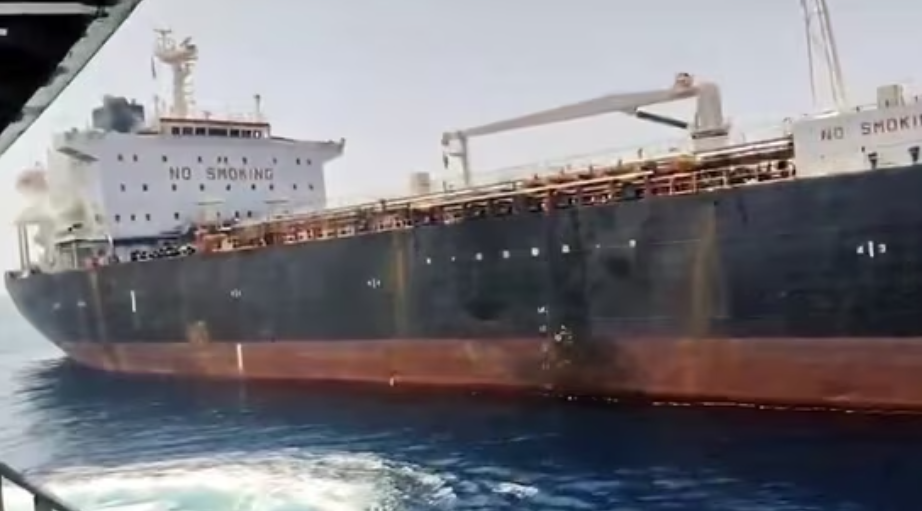
Three merchant vessels carrying Indian crew members that were recently struck by the United States Navy near the coast of Oman have come under renewed scrutiny due to their troubled operational histories. The vessels — MT Marivex, Settebello, and MT Jalveer — have all faced varying degrees of sanctions, detentions, and compliance-related issues in recent years, according to maritime records and government statements.
The incident has drawn international attention after India’s Ministry of External Affairs confirmed that two of the vessels were under sanctions imposed by the United States Treasury Department’s Office of Foreign Assets Control (OFAC), while the third vessel had been flagged for regulatory non-compliance.
MT Marivex, the first vessel reportedly struck during the operation, was carrying 24 Indian sailors at the time of the incident. The ship is linked to Panama-based Arihant Shipping, a company sanctioned by the United States in 2025 for allegedly participating in Iran’s so-called “shadow fleet” network. According to U.S. authorities, the company facilitated the transportation of Iranian petroleum products, helping Tehran circumvent international sanctions.
Before being renamed MT Marivex in February 2026, the vessel operated under the name Arihant. Maritime records indicate that it was sanctioned for transporting substantial quantities of Iranian fuel oil and bitumen across the Persian Gulf. Following the sanctions, the vessel was withdrawn from classification by the Indian Register of Shipping at the request of its owners. Classification is a critical certification process that ensures ships meet international safety and technical standards. Loss of classification can severely restrict a vessel’s ability to secure insurance coverage and operate legally in global maritime markets.
The second vessel involved, Settebello, also has a history of operational and safety concerns. Owned by UAE-based Aqua Aurora Shipping Lines and managed by IOS Marine FZ, the ship was previously known as Hana. Its classification status was suspended in 2021 due to non-compliance with technical and regulatory requirements.
In 2022, the vessel was detained at Russia’s Novorossiisk port after inspectors identified 29 deficiencies spanning fire safety, navigational systems, health protection measures, and medical care facilities. Although the ship was later cleared to resume operations, it was detained once again in February 2026 at China’s Lianyungang port. Inspectors reportedly discovered deficiencies related to emergency response systems, lifeboat readiness, and watertight integrity standards.
Industry experts note that vessel detentions can have significant financial and operational consequences, including shipment delays, contractual penalties, reputational damage, and increased regulatory scrutiny.

The third vessel, MT Jalveer, is owned by Liberia-based Jal Shipping. While it has not been linked to international sanctions, the ship was detained earlier this year at Haldia port in India. Authorities cited shortcomings in fire safety systems and emergency preparedness procedures during their inspection.
The strikes on the three vessels come amid heightened tensions in the Gulf region and increased enforcement efforts targeting maritime networks suspected of facilitating sanctioned trade. The incidents have also raised concerns over the safety of Indian seafarers working aboard vessels operating in high-risk waters near the Strait of Hormuz, one of the world’s most strategically important shipping corridors.
As investigations continue, maritime authorities and governments are expected to closely examine the operational histories of the affected vessels and the circumstances surrounding the U.S. military action.





 English
 Gujarati
 Hindi
Hindi Kannada
 Malayalam
 Marathi
 Punjabi
 Tamil
Tamil Telugu