


 India
India

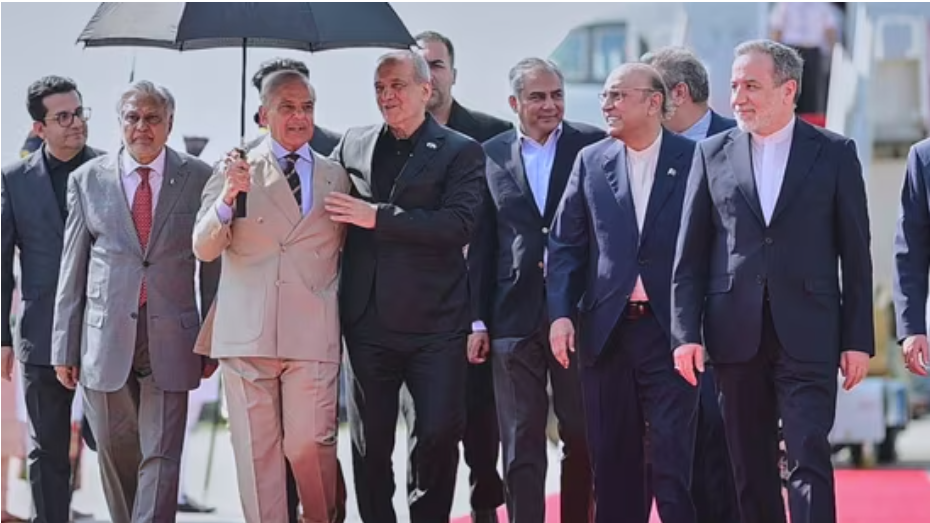
Pakistan Prime Minister Shehbaz Sharif has described Pakistan’s role in mediating between Iran and the United States as one of the most challenging diplomatic efforts undertaken by his government, revealing that there were several moments when the negotiations appeared close to collapse.
Speaking during an interview with Turkey’s state broadcaster TRT in Istanbul, Sharif said the process of helping bring the two sides to a ceasefire and eventual interim peace agreement was both “very difficult” and “complicated.” Despite the obstacles, he said Pakistan remained committed to facilitating dialogue and maintaining communication with both capitals.
“It has been a great honour to play the role of mediator to bring a truce between the US and Iran,” Sharif said, adding that the initiative was a unique diplomatic undertaking that required patience, persistence and trust-building.
The Pakistan Prime Minister made the remarks during his official visit to Turkey, which followed his attendance at the state funeral of Iran’s late Supreme Leader, Ayatollah Ali Khamenei, in Tehran. Sharif paid tribute to Khamenei’s leadership, describing him as a statesman who guided Iran with wisdom and foresight for decades.
Discussing Pakistan’s diplomatic engagement during the conflict, Sharif said Islamabad had approached the mediation effort with honesty and sincerity. He emphasized that Iran is both a neighboring country and a brotherly nation for Pakistan, making regional stability a matter of significant importance.
Sharif reserved special praise for Pakistan Army Chief Field Marshal Asim Munir, whom he credited with playing a crucial role in maintaining communication channels throughout the negotiations. According to Sharif, Munir remained in constant contact with officials from both Iran and the United States and worked tirelessly behind the scenes to keep discussions moving forward.
“He worked through the nights, burning his midnight oil and untiringly pursuing the objective of peace,” Sharif said, highlighting the military chief’s contribution to the diplomatic effort.

The Prime Minister also acknowledged the role played by Deputy Prime Minister and Foreign Minister Ishaq Dar, saying that senior Pakistani officials remained fully engaged throughout the mediation process.
Sharif revealed that the path to an agreement was far from smooth. He noted that there were multiple occasions when the talks appeared on the verge of failure and hopes for a breakthrough seemed slim.
“There were moments when it felt like everything would fall through,” he said. “But we did not lose hope and remained consistent in our efforts.”
Pakistan was among several regional countries involved in facilitating dialogue between Washington and Tehran. Turkey, Qatar, Saudi Arabia and Egypt also contributed to diplomatic efforts aimed at ending hostilities and preventing a wider regional conflict.
The conflict between Iran and the United States had triggered months of instability across the region before diplomatic momentum eventually led to a breakthrough. After extensive negotiations and disagreements over key provisions, both sides signed the Islamabad Memorandum of Understanding on June 17, establishing an interim peace framework and opening the door for further talks.
The agreement marked a significant step toward reducing tensions and ending months of confrontation. Sharif expressed hope that the truce would pave the way for a lasting settlement and greater stability in the Middle East, stressing that dialogue remains the only sustainable path to peace.

 English
 Gujarati
 Hindi
Hindi Kannada
 Malayalam
 Marathi
 Punjabi
 Tamil
Tamil Telugu