 India
India

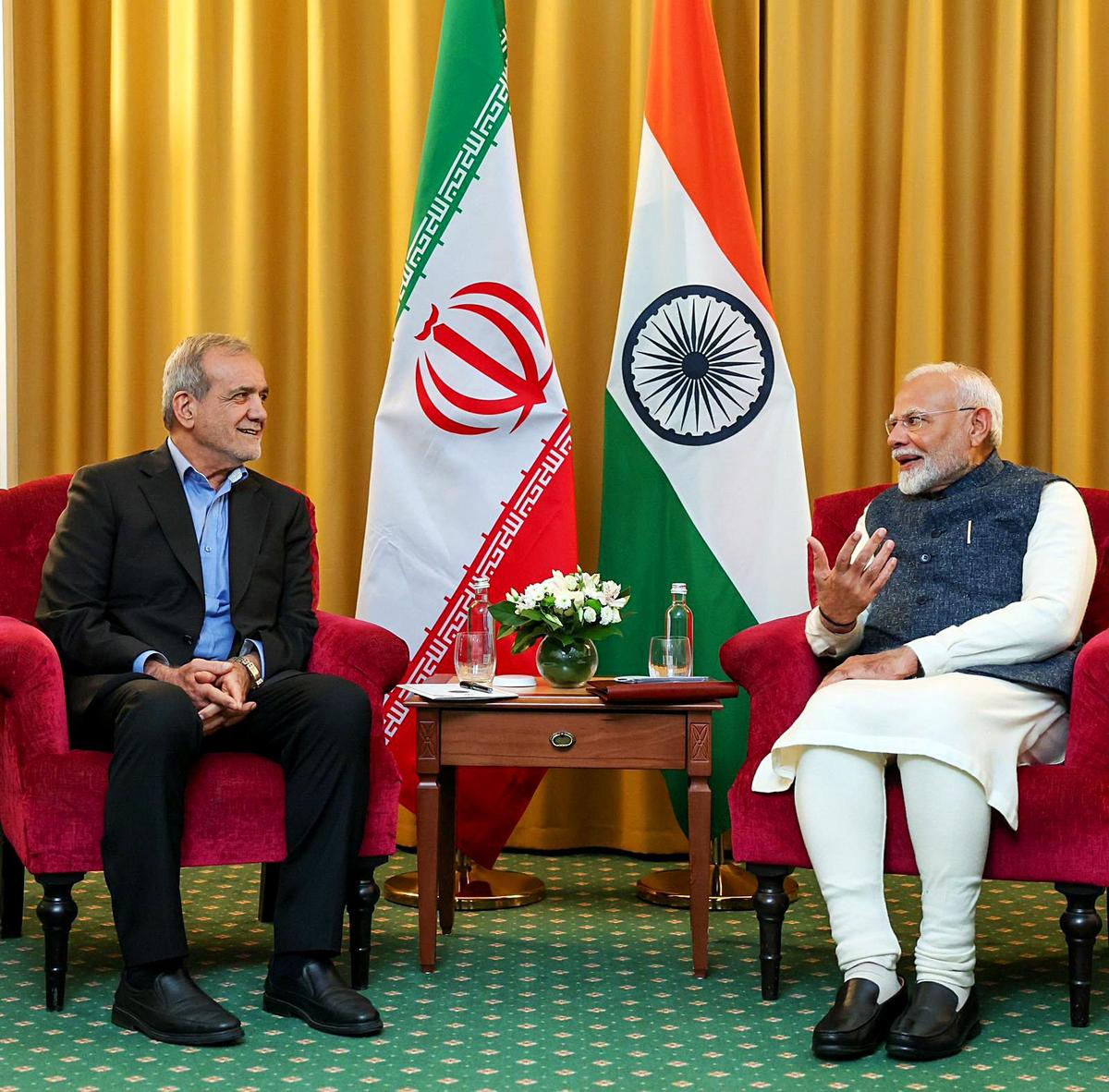
Iran has extended a formal invitation to Prime Minister Narendra Modi to attend the funeral ceremonies of the late Supreme Leader Ayatollah Ali Khamenei, marking a significant diplomatic gesture at a time of heightened geopolitical tensions in West Asia. The invitation, sent by Iranian President Masoud Pezeshkian, underscores the importance Tehran places on its relationship with India as it prepares to bid farewell to one of the most influential figures in modern Iranian history.
According to people familiar with the matter, the invitation was conveyed to the Indian side on June 23. While the request has been received by New Delhi, the Indian government is yet to take a final decision on whether Prime Minister Modi or another senior representative will attend the ceremonies.
The funeral events are scheduled to take place between July 5 and July 9 across several major Iranian cities. Ceremonies are expected to be held in Tehran, the nation’s capital, as well as the religious city of Qom. The final and most symbolic event is likely to take place in Mashhad, one of the holiest cities in Iran and an important centre of Shia Islam.
Ayatollah Ali Khamenei, who served as Iran’s Supreme Leader for decades, was killed along with members of his family during joint military strikes reportedly carried out by Israel and the United States earlier this year. The incident shocked the region and triggered widespread reactions from governments, political leaders and religious organisations around the world.
Under Islamic traditions, burials are generally conducted within 24 hours of death. However, the funeral arrangements for Khamenei were postponed multiple times due to the ongoing conflict and security concerns across the region. Iranian authorities have now finalised a multi-day programme that is expected to draw political leaders, diplomats, religious figures and supporters from across the world.
India had earlier expressed condolences following Khamenei’s death. The Indian government maintained diplomatic engagement with Tehran during the period of mourning. Foreign Secretary Vikram Misri visited the Iranian Embassy in New Delhi and signed the condolence register on behalf of the Government of India. External Affairs Minister S. Jaishankar also held discussions with Iranian Foreign Minister Seyed Abbas Araghchi, conveying India’s sympathies and reaffirming bilateral ties.
The invitation places New Delhi in a sensitive diplomatic position. India has longstanding strategic and economic relations with Iran, particularly in areas such as energy cooperation, regional connectivity and trade. At the same time, India maintains strong ties with several countries involved in the broader West Asian geopolitical landscape.

Observers believe India’s decision regarding attendance at the funeral will be closely watched internationally, as it could signal the level of engagement New Delhi intends to maintain with Tehran during a period of political transition. Whether Prime Minister Modi attends personally or delegates representation to a senior official, the move is expected to carry significant diplomatic weight.
For now, the Indian government has not announced its decision. With the funeral ceremonies approaching, attention remains focused on New Delhi’s next step and the message it could send about the future of India-Iran relations in an increasingly complex regional environment.

 English
 Gujarati
 Hindi
Hindi Kannada
 Malayalam
 Marathi
 Punjabi
 Tamil
Tamil Telugu