 India
India

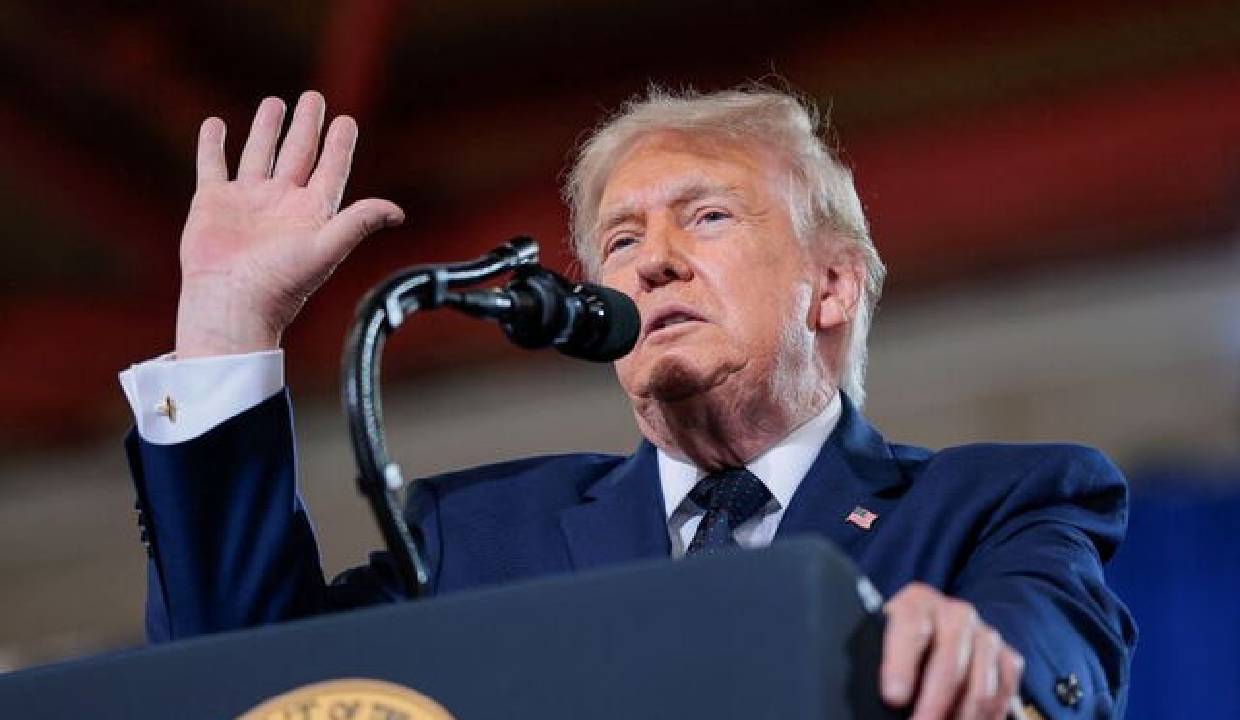
The United States and Iran appear to be moving closer to a formal interim peace agreement, with US President Donald Trump saying a deal could be signed “shortly,” possibly within the next day or two. Speaking on the sidelines of the G7 summit, Trump described the proposed memorandum of understanding (MoU) as a strong framework intended to prevent Iran from acquiring a nuclear weapon. He also said Tehran seemed willing to proceed, presenting the agreement as a possible turning point after months of military confrontation and diplomatic strain.
According to multiple reports, Washington, Tehran, and regional mediators are considering advancing the signing timeline from Friday to as early as Wednesday. The draft arrangement is expected to create a 60-day negotiation window for broader talks on Iran’s nuclear programme, regional security concerns, sanctions relief, and longer-term political understandings. However, despite the optimistic public messaging, the full text of the agreement has not been officially released, and several core issues remain unresolved.
Trump called the draft pact “very strong” and “pretty detailed,” but also made clear that it is not yet final. He warned that if Iran fails to comply or if the deal falls apart, the United States could resume military action. His remarks underscored the fragile nature of the proposed truce, which is being framed less as a permanent peace settlement and more as a temporary mechanism to stop escalation while further negotiations continue.
A leaked 14-point draft reportedly centers on an immediate ceasefire, reopening shipping through the Strait of Hormuz, and restoring Iranian oil exports. It also suggests possible financial relief for Tehran, including the release of frozen funds and support for reconstruction and redevelopment. Some reports have indicated that large-scale funding commitments may be part of the broader understanding. Still, Iranian officials have pushed back against the leaked version, calling it incomplete and inaccurate.
One of the most notable gaps in the reported draft concerns uranium enrichment and other technical nuclear restrictions. While Trump has said the agreement would act as a “wall” against an Iranian nuclear weapon, some reports suggest the interim text does not fully settle the most sensitive parts of the nuclear file. That has contributed to skepticism among analysts and officials who question how durable or enforceable the arrangement may be without clearer terms.
Regional tensions also remain high. Trump said he supports Israel’s right to defend itself, but urged Israeli leadership to show “good judgement” in Lebanon. Meanwhile, Israel has reportedly resisted US pressure to withdraw troops from Lebanon, and conflicting statements from US, Israeli, Lebanese, and Iranian officials have added to uncertainty about whether the deal can reduce violence beyond the US-Iran front.
At sea, security concerns continue to cloud hopes of immediate normalization. A vessel near Yemen was reportedly attacked, and commercial shipping operators remain cautious despite expectations that the Strait of Hormuz may reopen more fully under the agreement. Although some oil tankers have resumed movement and markets reacted positively to the prospect of restored supply, shipping firms appear to be waiting for proof that the ceasefire will hold before returning to normal operations.

The developing agreement has drawn mixed international reactions. Leaders including Emmanuel Macron, Narendra Modi, and others have welcomed the diplomatic opening and emphasized the importance of keeping vital trade routes open. Russia has called for compromise on Iran’s nuclear programme, while China has remained engaged in discussions linked to regional stability and humanitarian concerns.
For now, the proposed US-Iran deal represents a potentially significant diplomatic breakthrough, but not a final settlement. Much depends on whether both sides sign the MoU, whether Israel and regional actors align with its broader goals, and whether negotiators can turn a fragile pause in fighting into a more durable peace.

 English
 Gujarati
 Hindi
Hindi Kannada
 Malayalam
 Marathi
 Punjabi
 Tamil
Tamil Telugu