
 India
India

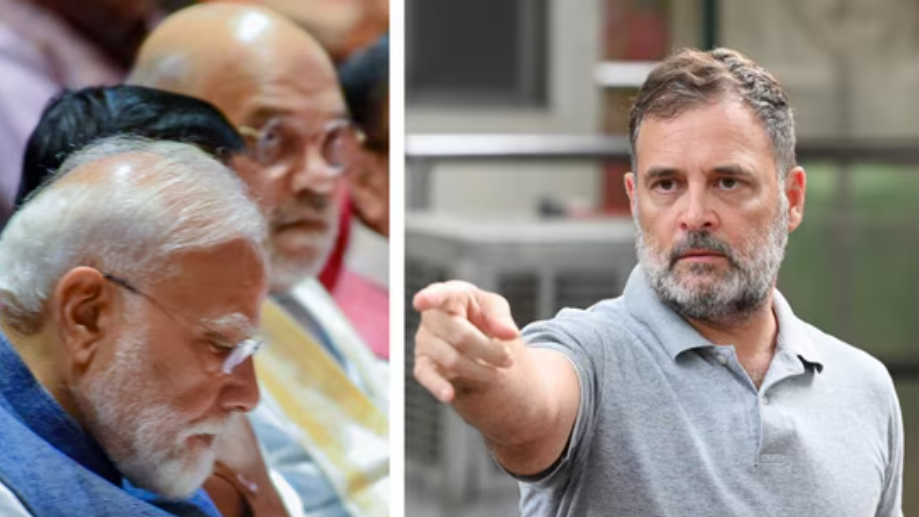
The Monsoon Session of Parliament is set to witness another round of political confrontation on Monday, with the Congress-led INDIA bloc preparing to intensify its attack on the government over the alleged use of force against student protesters during the July 20 “Sansad Chalo” march. While the Centre is expected to introduce a tougher anti-paper leak legislation, the Opposition has indicated that it will continue pressing for answers regarding the police response to the demonstration near Parliament.
The political focus has now shifted from the resignation of former Union minister Dharmendra Pradhan to Union Home Minister Amit Shah, whom Congress leader and Leader of Opposition Rahul Gandhi has directly questioned over the handling of the protest. Gandhi has alleged that several students suffered serious injuries during the march, including fractures and eye injuries, and has sought clarification on whether pellet guns or other forms of force were authorized against demonstrators.
In a letter addressed to Amit Shah, Gandhi raised concerns about reports that some protesters sustained severe injuries during the police action. He cited the case of a 19-year-old student who allegedly suffered a serious eye injury and demanded to know who approved the use of force against students. Gandhi also questioned the role of individuals in plain clothes who were reportedly seen participating in the crackdown and asked whether they were police personnel or other authorized personnel.
The issue is expected to be raised in both Houses of Parliament. Trinamool Congress Rajya Sabha deputy leader Sagarika Ghose has submitted a notice under Rule 267 seeking suspension of regular business to allow an immediate discussion on allegations of “lethal and semi-lethal force” used against protesters. Opposition parties are likely to coordinate their strategy and press for a detailed response from the government.
Delhi Police has denied allegations that pellet guns were used during the protest. The Central Reserve Police Force (CRPF), which oversees the Rapid Action Force (RAF), has not publicly responded to specific claims regarding the use of such weapons.
Amid the political controversy, the government is preparing to introduce the Public Examinations (Prevention of Unfair Means) Amendment Bill, 2026. The proposed legislation aims to strengthen provisions against examination malpractice and paper leaks. Under the amendments, penalties for individuals involved in paper leaks would be significantly increased, including longer prison terms and substantially higher fines.
The bill also proposes tougher punishment for service providers and organized groups involved in examination fraud. Companies found guilty could face fines of up to ₹5 crore and extended blacklisting periods, while senior management personnel could face imprisonment and hefty penalties. Cases linked to organized examination crime would attract even stricter punishment.

In addition, the legislation seeks to ensure faster investigations and trials by mandating strict timelines. Investigations would need to be completed within two months, while special fast-track courts would be required to conclude trials within three months of the filing of chargesheets.
Meanwhile, another controversy is emerging around Road Transport and Highways Minister Nitin Gadkari. Online criticism and public complaints regarding alleged vehicle issues linked to E20 ethanol-blended fuel have sparked calls for protests, with a demonstration reportedly planned in Delhi later this month.
With the Opposition focusing on the July 20 protest crackdown and the government pushing ahead with examination reforms, Parliament is expected to witness intense debates and disruptions as the Monsoon Session resumes.

 English
 Gujarati
 Hindi
Hindi Kannada
 Malayalam
 Marathi
 Punjabi
 Tamil
Tamil Telugu