
 India
India

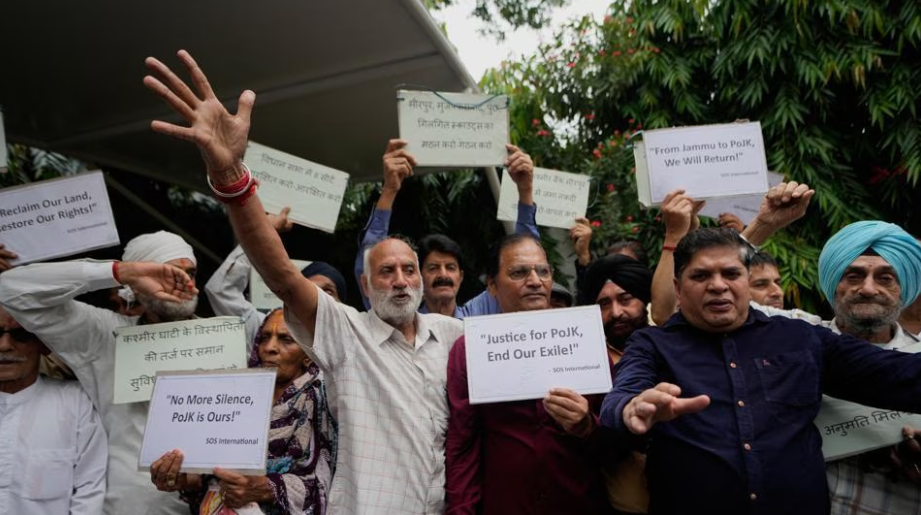
India on Friday strongly condemned Pakistan’s handling of protests in Pakistan-occupied Jammu and Kashmir (PoJK), accusing Islamabad of unleashing a harsh crackdown on civilians and calling on the international community to investigate alleged human rights violations in the region.
Speaking at a regular media briefing in New Delhi, External Affairs Ministry spokesperson Randhir Jaiswal said Pakistan’s security establishment had continued to use “ruthless force” against peaceful demonstrators in PoJK. According to India, the ongoing unrest has resulted in the deaths of more than 40 people since June, while many others have suffered serious injuries.
The latest remarks mark another escalation in New Delhi’s criticism of Islamabad’s response to protests that have swept across PoJK in recent weeks. The demonstrations, which Indian officials say are being led by the Joint Awami Action Committee (JAAC), have been declared illegal by Pakistani authorities under anti-terrorism legislation.
Jaiswal argued that the Pakistani establishment had displayed a disregard for the concerns and welfare of the local population. He pointed to comments made by Pakistan’s Defence Minister Khawaja Asif, who reportedly referred to the protesters as “enemies,” saying such remarks reflected Islamabad’s attitude toward the region’s residents.
The Indian spokesperson also highlighted statements by senior Pakistani politician Rana Sanaullah, currently serving as Special Assistant on Political Affairs to Prime Minister Shehbaz Sharif. Sanaullah recently acknowledged in a television interview that militants once trained and supported by Pakistan had become a challenge for the state itself.
According to Jaiswal, Sanaullah’s remarks amounted to an admission that Pakistan had trained, funded and armed militant groups that were initially directed toward India but had now turned against Islamabad. He said the comments reinforced India’s longstanding concerns regarding Pakistan’s support for militant networks operating in the region.
In the television interview, Sanaullah reportedly said that Pakistan-trained mujahideen had become a burden on the country and were contributing to instability in PoJK. He also alleged that some groups were involved in attempts to seize key areas, including Muzaffarabad and Mirpur.

The protests in PoJK originally began over economic grievances, including rising inflation, high electricity tariffs and concerns about political representation. The JAAC had objected to the reservation of legislative assembly seats for refugees from the Indian Union Territory of Jammu and Kashmir, arguing that the arrangement could influence electoral outcomes.
Tensions escalated again during the first phase of local assembly elections held on July 27. Reports from the region indicated that clashes broke out between protesters and security forces, with authorities allegedly opening fire on demonstrators. Local reports suggested that around 20 people were killed during the violence.
India has also questioned the credibility of the electoral process in PoJK. Jaiswal described the elections as a setback for the Pakistani establishment and claimed they reflected growing public dissatisfaction with Islamabad’s governance of the region.
Calling for greater international attention, the Indian government said local residents and activists had sought an independent investigation into the deaths and injuries linked to the crackdown. New Delhi urged global organisations and human rights bodies to closely examine developments in PoJK and ensure accountability for any violations committed against civilians.
The latest exchange adds to the growing diplomatic tensions between India and Pakistan over developments in PoJK, with New Delhi continuing to raise concerns about governance, political rights and security conditions in the region.
site-verification-ok


Ray ID: 8f3a2c1b9d4e5f6a · Performance & security by Cloudflare
site-verification-ok
Ray ID: 8f3a2c1b9d4e5f6a · Performance & security by Cloudflare
site-verification-ok

 English
 Gujarati
 Hindi
Hindi Kannada
 Malayalam
 Marathi
 Punjabi
 Tamil
Tamil Telugu