



 India


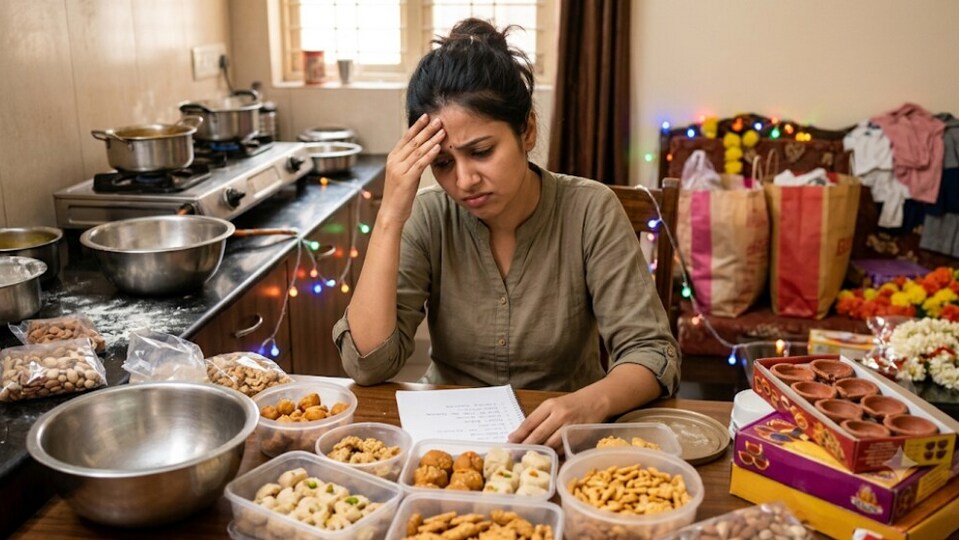
Diwali is traditionally associated with lights, happiness, family gatherings and togetherness. However, behind the excitement of the festive season, preparations can sometimes bring considerable stress. From cleaning homes and shopping for new clothes to preparing elaborate meals and hosting guests, the list of responsibilities can quickly turn celebrations into an exhausting exercise.
With changing lifestyles and growing social expectations, the pressure to organise picture-perfect Diwali celebrations has increased. Themed parties, elaborate decorations, carefully planned outfits and beautifully presented food have become common features of modern festivities. At the same time, many families continue to follow traditional customs, adding another layer of responsibility to the preparations.
In an interview with HT Lifestyle, Aashka Mistry, a clinical psychologist at Bhailal Amin General Hospital in Vadodara, explained how festive expectations can affect emotional well-being and why people should learn to enjoy Diwali without feeling pressured to make everything perfect.
When Diwali Preparations Become a Source of Stress
While festivals are meant to offer an opportunity to relax and reconnect with loved ones, the preparations leading up to them can sometimes feel like another demanding responsibility.
Mistry observes that Diwali celebrations have evolved significantly over the years. Festivities often begin weeks in advance, with people organising themed parties, get-togethers, DIY activities and elaborate home decorations.
She points out that hosting a Diwali party has increasingly become an elaborate event, where everything, from the food and ambience to the decorations and smallest details, is expected to be perfect.
Alongside these modern expectations, families may also feel obligated to maintain traditional practices, including annual cleaning rituals, preparing homes for visitors and following established family customs.

Managing both sets of expectations can become overwhelming, particularly for people already balancing professional responsibilities and personal commitments.
Social Media Is Adding to the Pressure of Perfect Celebrations
The growing influence of social media has further intensified the pressure to celebrate festivals in a particular way. Photographs and videos showcasing beautifully decorated homes, elaborate festive outfits and lavish gatherings can create unrealistic expectations.
According to Mistry, the desire to meet everyone’s expectations can take away from the actual experience of celebrating.
She explains that when people become more concerned about how their celebrations appear to others than how they personally experience them, stress, irritability and emotional exhaustion can gradually develop.
Constant comparisons with other people’s celebrations can also make individuals feel that their own arrangements are inadequate, even when they have made considerable efforts.
Instead of enjoying time with family and friends, people may find themselves worrying about whether their decorations look impressive enough, whether the food meets everyone’s expectations or whether their celebrations are worthy of sharing online.
Not Everyone Experiences Diwali as a Happy Occasion
While Diwali is widely celebrated as a festival of happiness and togetherness, the emotional experience can be different for everyone.
Mistry highlights that financial difficulties, disagreements within families, loneliness and the absence of loved ones can make the festive season particularly challenging for some individuals.
For people dealing with personal losses or difficult circumstances, the emphasis on happiness and celebration can sometimes make their emotional struggles more noticeable.
Recognising these differences is important when celebrating with family and friends. People should avoid assuming that everyone feels equally excited about festivals or expects to participate in every gathering and activity.
Creating an environment where individuals feel comfortable expressing their emotions and choosing how they want to celebrate can make festivities more inclusive and supportive.
Diwali Is Not a Competition: Psychologist’s Advice
Mistry encourages people to move away from the idea that successful celebrations depend on elaborate arrangements or meeting every expectation.
She reminds people that Diwali is not a competition and that nobody is awarding prizes for the most beautifully decorated home or the most extravagant party.
The focus, she suggests, should shift from creating an impressive celebration to enjoying meaningful experiences with loved ones.
Keeping expectations realistic, allowing time for rest and avoiding unnecessary comparisons can help reduce festive stress.
Ultimately, Diwali does not have to be perfect to be memorable. Simple celebrations, meaningful conversations and moments spent with loved ones can be just as fulfilling as elaborate parties and expensive decorations.
The psychologist’s message is clear: people should give themselves permission to celebrate at their own pace, embrace imperfections and prioritise their emotional well-being. After all, the true spirit of Diwali lies in togetherness, not in how perfect the celebrations look.


 English
 Gujarati
 Hindi
 Kannada
 Malayalam
 Marathi
 Punjabi
 Tamil
 Telugu