





 India


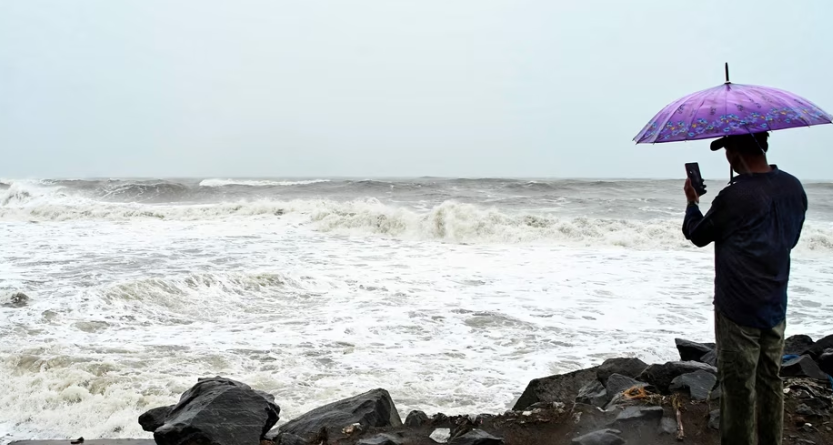
A fresh cyclone threat is developing over the Bay of Bengal, days after Cyclone Arnab battered coastal Andhra Pradesh and Odisha, leaving behind widespread destruction, flooding and disruptions to essential services. The India Meteorological Department (IMD) has warned that a low-pressure system over the southeast Bay of Bengal is likely to strengthen into a depression within the next six hours and further intensify into a cyclonic storm within 24 hours.
According to the weather department’s latest assessment issued on Saturday, October 31, the system is showing signs of intensification and could develop into another cyclonic storm by November 1, 2026.
The IMD has also indicated that the weather system is likely to move in a west-northwestward direction, reaching the west-central Bay of Bengal near the Andhra Pradesh coast by the evening of November 2.
In an update shared on social media platform X, the meteorological department said the well-marked low-pressure area over the southeast Bay of Bengal was expected to intensify into a depression within six hours before strengthening further into a cyclonic storm. The projected movement of the system towards the Andhra Pradesh coastline has raised concerns, particularly as several areas along the eastern coast are still dealing with the aftermath of Cyclone Arnab.
The latest warning comes barely days after Cyclone Arnab made landfall early on October 28 along the Andhra Pradesh and Yanam coast, between Bapatla and Visakhapatnam. At the time of landfall, the storm recorded sustained wind speeds of approximately 130 kilometres per hour, bringing intense rainfall and destructive winds to coastal districts.
The cyclone uprooted trees, damaged homes, flooded residential areas and inundated agricultural fields. Fishing activities were restricted as a precautionary measure, while transportation and electricity networks suffered disruptions due to heavy rainfall and powerful winds.
Several areas experienced prolonged spells of rainfall, worsening the flooding situation and triggering landslides in vulnerable regions.

Odisha Launches Massive Search Operation For 12 Missing People
Meanwhile, the impact of Cyclone Arnab continues to be felt in Odisha, where authorities have launched an extensive search operation for people missing following a landslide in Ganjam district.
According to officials, 12 people remain unaccounted for after a landslide struck Gidipabali village under Baibali panchayat in the Bhanjanagar block of Ganjam district. The incident occurred amid incessant rainfall associated with Cyclone Arnab, which triggered multiple landslides across the region.
Special Relief Commissioner Rajesh P Patil said that a total of 26 people were living in the hilltop village when the landslide occurred. Thirteen residents managed to escape, while the remaining 13 were initially reported missing. One missing person has since been traced, leaving 12 people still unaccounted for.
The search operation began on Friday night and continued into Saturday, with more than 150 personnel deployed to locate the missing residents.
Teams from the National Disaster Response Force (NDRF), Odisha Disaster Rapid Action Force and the Special Operation Group are participating in the rescue efforts. Authorities are working to search the affected area and locate those who remain missing.
The landslide in Gidipabali was among at least 10 similar incidents reported across Odisha due to persistent rainfall triggered by the cyclone. Heavy downpours also inundated hundreds of villages in the southern parts of the state, adding to the challenges faced by local authorities and rescue teams.
With another potential cyclonic storm developing over the Bay of Bengal, the latest IMD warning has put the eastern coastline under renewed weather-related attention. The projected movement of the system towards the Andhra Pradesh coast by November 2 comes at a time when disaster management agencies are still responding to the damage caused by Cyclone Arnab.
The system’s further intensification, movement and potential impact will remain important factors to monitor over the coming days.






 English
 Gujarati
 Hindi
 Kannada
 Malayalam
 Marathi
 Punjabi
 Tamil
 Telugu