




 India
India

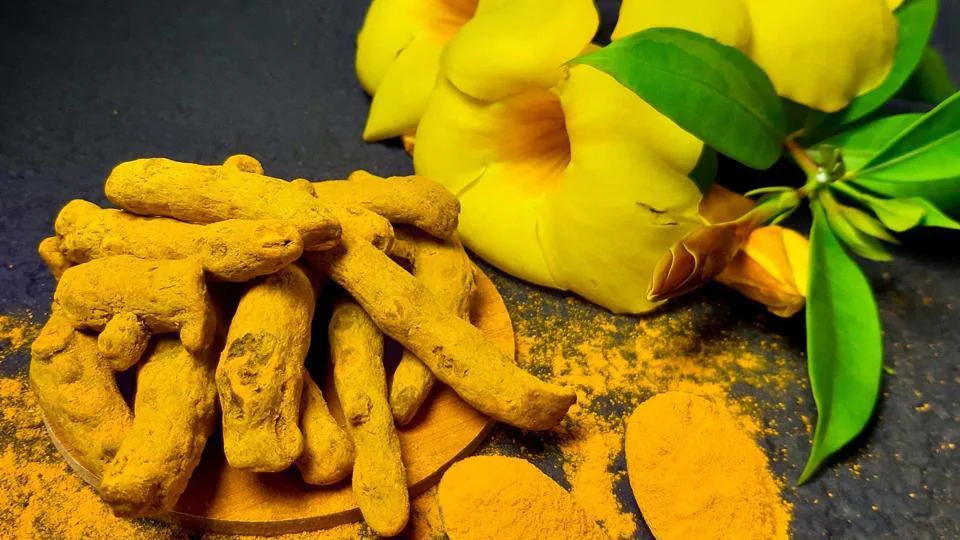
Lakadong turmeric, once a little-known crop from Meghalaya’s Jaiñtia Hills, is emerging as one of the Northeast’s most promising premium agricultural products. Its high curcumin content—estimated at 7% to 12%—has helped distinguish it from conventional turmeric and opened opportunities in food, pharmaceuticals, nutraceuticals and cosmetics.
The crop gained global visibility after Prime Minister Narendra Modi showcased Meghalaya’s GI-registered Lakadong turmeric at the G7 Summit. For Meghalaya, the moment represents more than international recognition: it is an opportunity to build a global agricultural brand around a crop deeply connected to the region’s geography and farming traditions.
Today, more than 13,000 farmers across 124 villages cultivate Lakadong on around 2,581 hectares, supported by 15 farmer collectives. Government programmes have supplied more than 2,500 metric tonnes of quality planting material to 7,345 farmers while promoting improved cultivation, aggregation, processing and market access.
Farmers have also adopted raised-bed cultivation and more organic practices, while collection centres, washing units, slicing machines and drying facilities are helping reduce post-harvest losses and improve market access.
A major milestone came in March 2024, when Lakadong received Geographical Indication registration under GI Application No. 741. The GI tag offers legal protection for its geographical identity, but maintaining authenticity will require stronger traceability, certification and quality-control systems.
Meghalaya is also moving into value-added processing. A Bio-Curcumin Extraction Unit at Laskeiñ, completed in July 2025, can process 200 kg of dry turmeric daily into oleoresin, powder, curcumin and bio-curcumin capsules.
Lakadong has already reached markets in the US, UK, Netherlands and Russia. Exports so far exceed 17.15 tonnes, valued at ₹29.75 lakh.

The state now aims to expand cultivation to 7,000 hectares, bring more than 17,500 additional farmers into the sector and achieve 49,400 tonnes of production by 2030.
The challenge is clear: Meghalaya must turn global recognition into sustained demand, higher-value exports and better farmer incomes.
site-verification-ok


Ray ID: 8f3a2c1b9d4e5f6a · Performance & security by Cloudflare
site-verification-ok
Ray ID: 8f3a2c1b9d4e5f6a · Performance & security by Cloudflare
site-verification-ok





 English
 Gujarati
 Hindi
Hindi Kannada
 Malayalam
 Marathi
 Punjabi
 Tamil
Tamil Telugu