




 India


Type 2 diabetes is often described as a silent health condition because it can develop gradually without producing noticeable symptoms in its early stages. Many people may experience unusual tiredness, increased hunger, recurring infections or blurred vision without realising that these problems could be linked to elevated blood sugar levels.
While excessive thirst and frequent urination are commonly recognised symptoms of diabetes, the condition can also present itself through less obvious physical changes. Ignoring these warning signs may delay diagnosis and increase the risk of long-term complications.
According to Dr Balusu Manohar Sai, consultant endocrinologist in the Department of General Medicine at GITAM Institute of Medical Sciences and Research (GISMR), Visakhapatnam, people should not wait for obvious symptoms before getting their blood sugar levels checked.
The specialist emphasised that individuals can have elevated blood glucose levels for a considerable period without experiencing any significant discomfort.
“Diabetes doesn’t always manifest itself in symptoms like excessive thirst or frequent urination. In fact, someone can live with higher blood sugar for a long time without feeling sick. This is why people often find out they have type 2 diabetes when taking tests, instead of realising there is something wrong with their health,” he explained.
Why Is Early Diabetes Screening Important?
One of the biggest challenges with type 2 diabetes is that symptoms may remain unnoticed for years. During this period, consistently high blood sugar can gradually affect several organs and systems in the body.
Early screening helps identify abnormal glucose levels before serious complications develop. People with a family history of diabetes, obesity or heart disease should discuss regular screening with their healthcare providers.

Women who have experienced gestational diabetes during pregnancy and those diagnosed with polycystic ovary syndrome (PCOS) may also have an increased risk of developing type 2 diabetes.
The importance of early detection is particularly significant in India. According to a study published in The Lancet Global Health in 2025, an estimated 20.1 million Indians aged 45 years and above had diabetes but were unaware of their condition.
These findings underline why feeling healthy does not necessarily mean that blood sugar levels are normal.
Six Lesser-Known Signs of Type 2 Diabetes
Dr Balusu Manohar Sai highlighted six symptoms that people should pay attention to, particularly when they occur repeatedly or without an obvious explanation.
1. Unusual and Persistent Fatigue
Feeling unusually tired despite getting adequate sleep could be an early warning sign of diabetes. When blood glucose levels are high, the body’s ability to use glucose effectively for energy may be affected.
As a result, some people experience persistent tiredness, weakness and reduced energy throughout the day. If fatigue continues without an obvious reason, checking blood sugar levels may be worthwhile.
2. Increased Hunger
Frequent hunger, even after eating regular meals, can sometimes be associated with elevated blood sugar.
In people with diabetes, the body may not use insulin effectively, making it difficult for glucose to enter cells and provide energy. This can trigger feelings of hunger despite having sufficient food.
3. Blurred Vision
Changes in eyesight are another symptom that should not be overlooked.
High blood sugar levels can affect the fluid balance in the eyes, temporarily changing the shape of the lens and causing blurred vision. Persistent or recurring vision changes require medical evaluation because diabetes can also damage the blood vessels in the retina over time.
4. Slow-Healing Cuts and Wounds
If minor cuts, injuries or wounds take longer than usual to heal, elevated blood sugar could be one possible reason.
Poor glucose control can interfere with blood circulation, immune function and the body’s natural healing processes. This may increase the risk of infections and delay recovery from even minor injuries.
5. Recurring Skin and Urinary Tract Infections
Repeated infections, particularly involving the skin and urinary tract, may also indicate poorly controlled blood sugar.
High glucose levels can create conditions that favour the growth of certain microorganisms and affect the body’s ability to fight infections.
People who experience frequent infections should consult a doctor rather than repeatedly treating the symptoms without investigating the underlying cause.
6. Dark and Thickened Skin Around the Neck and Armpits
Dark, thick and velvety patches of skin around the neck, armpits or other body folds may be a sign of a condition known as acanthosis nigricans.
This skin change is commonly associated with insulin resistance, a condition in which the body’s cells do not respond effectively to insulin.
Insulin resistance can develop before type 2 diabetes is diagnosed. Therefore, these skin changes should prompt medical assessment, especially when accompanied by other metabolic risk factors.
Why Waist Circumference Matters in Diabetes Risk Assessment
Body weight is not the only factor that determines a person’s risk of developing type 2 diabetes. The distribution of body fat, particularly fat accumulated around the abdomen, also plays an important role.
Dr Sai referred to a study published in Frontiers in Endocrinology in 2025, which found that 46 per cent of participants with type 2 diabetes from rural Maharashtra had a normal body mass index (BMI).
The study also reported that more than half of the participants had central obesity.
These findings suggest that people should not assume they are protected from diabetes simply because their BMI falls within the normal range.
Measuring waist circumference alongside BMI can provide additional information about metabolic health and the risk associated with abdominal fat accumulation.
What Happens If Type 2 Diabetes Is Left Untreated?
Persistently elevated blood sugar can gradually damage important organs and tissues. If diabetes remains undiagnosed or poorly controlled, it can increase the risk of several serious complications, including:
- Eye damage: Diabetes can damage retinal blood vessels and potentially affect vision.
- Kidney disease: Prolonged high blood sugar can impair kidney function.
- Nerve damage: Diabetes may cause tingling, numbness, pain or loss of sensation, particularly in the feet.
- Heart disease: Uncontrolled diabetes increases the risk of cardiovascular complications.
Which Tests Can Help Detect Diabetes?
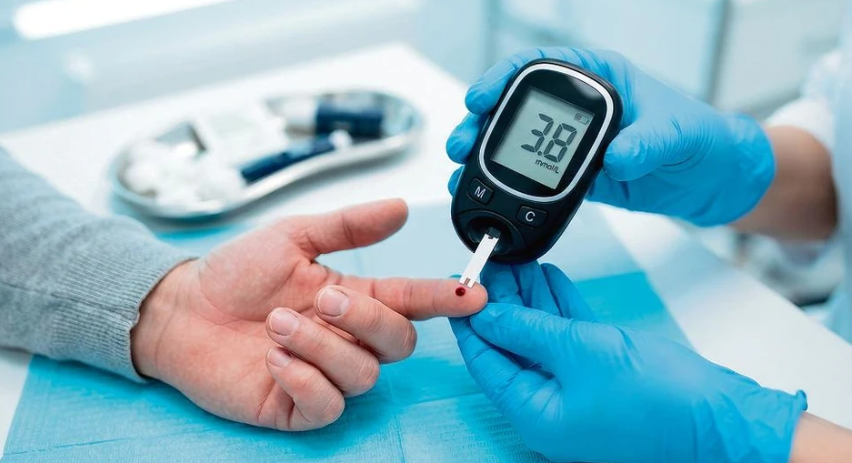
The good news is that type 2 diabetes can be detected through relatively simple blood tests. Two commonly used investigations include:
- Fasting blood glucose test: Measures blood sugar after an overnight fast.
- HbA1c test: Measures average blood glucose levels over approximately the previous two to three months.
People experiencing unusual fatigue, recurring infections, blurred vision or other potential warning signs should consult a healthcare professional about appropriate testing.
The key message from the endocrinologist is that diabetes should not be diagnosed based on symptoms alone. Even people who feel perfectly healthy may have elevated blood sugar levels. Early screening, timely diagnosis and appropriate medical management can help prevent complications and protect long-term health.
Medical note: The symptoms discussed above can also occur due to conditions other than diabetes. Their presence does not confirm a diagnosis; blood tests and medical evaluation are necessary.






 English
 Gujarati
 Hindi
 Kannada
 Malayalam
 Marathi
 Punjabi
 Tamil
 Telugu