


 India


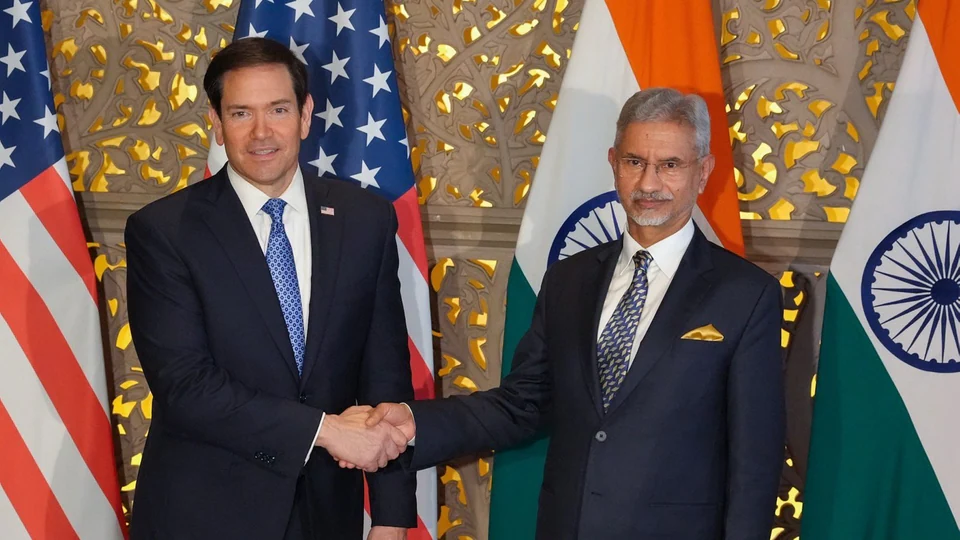
India and the United States are moving closer to finalising a long-awaited trade agreement, with US Secretary of State Marco Rubio indicating that only a handful of outstanding issues remain before the deal can be concluded. Speaking during his second official visit to India, Rubio expressed optimism that both countries could soon announce progress on the proposed agreement.
“We’re very, very close. I would say we’re about as close as you can be without having executed the agreement. I think there’s a small number of items left to wrap up, so I think that will happen shortly,” Rubio said.
Although Rubio clarified that the US State Department does not directly negotiate trade agreements, he said the department remains closely involved in developments surrounding the discussions. His remarks signal continued engagement between New Delhi and Washington as both sides work towards resolving the remaining differences.
Rubio also expressed hope that the two countries would soon have positive news to share, suggesting that negotiations could be approaching a decisive stage.
“So, we’re very optimistic that we will have something in place here very soon,” he said.
However, Rubio did not specify which issues remain unresolved, nor did he provide a precise timeline for signing or formally announcing the agreement. The final outcome will depend on whether the two governments can settle the outstanding points and agree on the terms.
India-US Trade Talks Amid Tariff Tensions
The latest developments come against the backdrop of trade tensions between the two countries, particularly over India’s purchases of Russian oil. Washington had previously criticised New Delhi’s continued energy trade with Moscow, with US President Donald Trump’s administration linking India’s Russian oil imports to its decision to impose steep tariffs on Indian goods.

The United States had imposed tariffs of up to 50% on Indian imports last year, according to the report. Those duties were subsequently reduced to 18% as trade negotiations between the two countries progressed.
The tariff issue has remained an important part of the broader economic relationship, with both governments seeking to advance trade ties while navigating disagreements over market access, energy purchases and economic policy.
A final agreement could provide greater clarity for businesses operating across both markets and help establish a more predictable framework for bilateral trade. However, the precise economic benefits and commitments under the proposed deal will depend on its final terms.
Washington’s Changing Approach to Russian Energy
Rubio’s comments also come days after Washington waived certain sanctions on Russia as the restrictions were due to take effect. The report also cited Trump’s announcement of a diesel arrangement with Russian President Vladimir Putin aimed at cushioning the impact of rising fuel prices in the United States.
These developments represent a shift from the administration’s earlier hard-line approach towards Russian energy imports and countries purchasing Russian oil.
For India, which has faced US criticism over its energy trade with Moscow, Washington’s evolving position is significant in the context of bilateral negotiations. Nevertheless, the reported easing of some sanctions does not automatically mean that all US restrictions on Russian energy or related trade have been lifted.
The latest remarks from Rubio offer an encouraging signal for India-US economic engagement, but a formal announcement will be necessary to establish whether the two sides have resolved their remaining differences.
With only a limited number of issues reportedly left to settle, attention is now focused on the next steps in negotiations and whether New Delhi and Washington can translate their stated optimism into a concluded trade agreement.
For now, Rubio’s assessment that the countries are “very, very close” places the proposed deal at a potentially crucial stage, even as questions remain about its final provisions, implementation and timing.



 English
 Gujarati
 Hindi
 Kannada
 Malayalam
 Marathi
 Punjabi
 Tamil
 Telugu