
 India
India

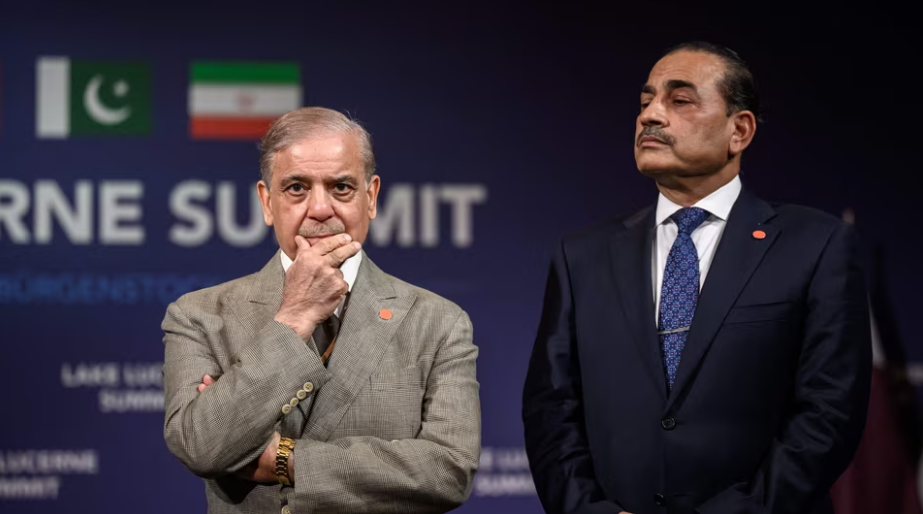
India has strongly rejected Pakistan’s latest remarks on Jammu and Kashmir at the United Nations, accusing Islamabad of attempting to divert international attention from its own domestic political and human rights challenges.
Exercising its Right of Reply during a meeting of the United Nations General Assembly’s Third Committee on Friday, India categorically dismissed Pakistan’s references to Jammu and Kashmir. India reiterated that the Union Territories of Jammu & Kashmir and Ladakh “were, are and will always remain” integral and inalienable parts of the country.
First Secretary at India’s Permanent Mission to the United Nations, Bhavika Mangalanandan, sharply criticised Pakistan’s political system while responding to the Pakistani delegation. She said the country’s “so-called civilian governments” remain dependent on the Army and rarely complete their terms.
“We all know that the so-called civilian governments in Pakistan serve at the mercy of their Army and rarely complete their terms,” Mangalanandan was quoted as saying.
India also referred to the continued imprisonment of former Pakistan Prime Minister Imran Khan, saying his health was reportedly “deteriorating fast.” The Indian representative argued that Pakistan should address its own domestic political discontent rather than focus on Jammu and Kashmir.
According to India, Pakistan has sought to distract from internal problems by allegedly fomenting instability in India and sponsoring, inciting, abetting and financing cross-border terrorism. New Delhi accused Pakistan of pursuing such activities for more than three decades.
The Indian delegation also pointed to reports of unrest and violence in Pakistan, particularly in Rawalakot and other parts of Pakistan-occupied Jammu and Kashmir. India described Pakistan’s references to the people of Jammu and Kashmir as an attempt to mask what it called an ongoing domestic tragedy.

India alleged that hundreds of civilians had been killed and that security forces had launched a crackdown in areas where people were protesting over issues including bread, electricity and basic human dignity. These allegations were presented by India as evidence of what it described as repression within Pakistan and Pakistan-administered territory.
New Delhi further criticised restrictions on media coverage of such developments, arguing that the absence of independent reporting only reinforces international scrutiny of Pakistan’s political system.
Mangalanandan also referred to the phrase “Form 47 government”, which is used by critics in Pakistan in connection with allegations of manipulation and irregularities surrounding the country’s 2024 general elections. India said that the situation demonstrated the influence of Pakistan’s military establishment over the country’s political institutions.
In contrast, India highlighted the 2024 Assembly elections in Jammu and Kashmir. The Indian delegation said the elections recorded a substantial voter turnout and were followed by a peaceful transfer of power to an elected government.
“The contrast could not have been starker,” India said, while rejecting Pakistan’s allegations concerning the region.
India maintained that the only human rights violations occurring in Jammu and Kashmir were being perpetrated by Pakistan’s armed forces and what it described as their terrorist proxies. New Delhi dismissed Pakistan’s claims as propaganda, arguing that repetition does not transform an allegation into fact.
The Indian delegation concluded by urging Pakistan to focus on its own internal challenges, including economic development and domestic political fault lines, instead of laying claim to Indian territory.
The exchange at the UNGA Third Committee comes amid continued diplomatic tensions between India and Pakistan over Jammu and Kashmir, with both countries maintaining sharply opposing positions on the disputed region.


site-verification-ok

 English
 Gujarati
 Hindi
Hindi Kannada
 Malayalam
 Marathi
 Punjabi
 Tamil
Tamil Telugu