




 India
India

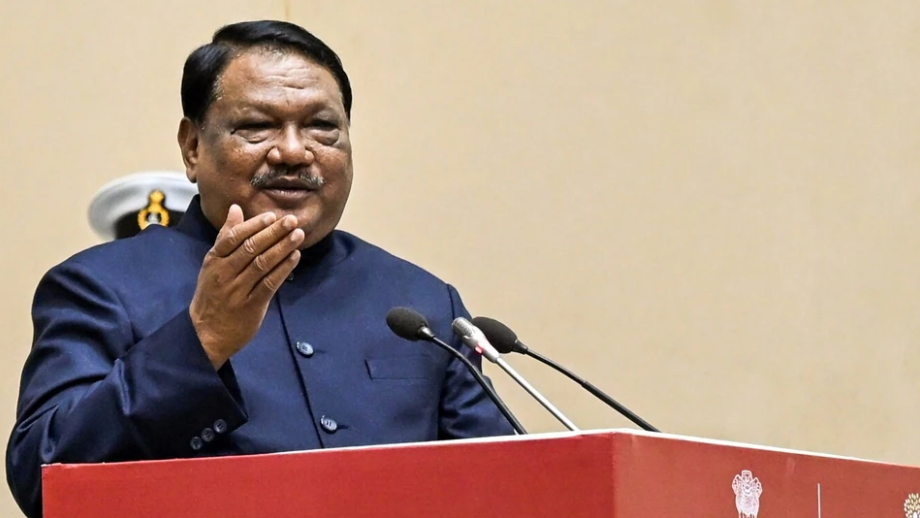
The Union Ministry of Tribal Affairs has directed states and Union Territories to organize a three-day Jan Sunwai campaign across operational Adi Sewa Kendras (ASKs) from August 13 to 15. The initiative is aimed at improving access to government services, addressing public grievances, and ensuring that tribal communities, especially Particularly Vulnerable Tribal Groups (PVTGs), receive the benefits of various welfare schemes.
The directive was issued by Tribal Affairs Secretary Ranjana Chopra in a letter sent to chief secretaries of states on July 29. The Jan Sunwai campaign will be conducted under the Adi Karmayogi Abhiyan, a programme designed to strengthen governance and service delivery in tribal areas through village-level Adi Sewa Kendras and a network of trained Adi Karmayogi Volunteers (AKVs).
According to the ministry, Adi Sewa Kendras are being developed as permanent grassroots platforms where tribal residents can access government schemes, register grievances, seek assistance with documentation, and connect with welfare programmes. The centres form a key part of the government’s broader efforts under initiatives such as the Dharti Aaba Janjatiya Gram Utkarsh Abhiyan and PM-JANMAN, both of which focus on improving living conditions and development outcomes in tribal-dominated regions.
The Jan Sunwai camps are expected to bring government services directly to tribal populations by creating a single-window mechanism for welfare outreach. District collectors are proposed to lead the exercise, with support from Integrated Tribal Development Agencies, gram panchayats, frontline government officials, banking institutions, and Common Service Centres.
Officials from multiple departments, including health, education, women and child development, agriculture, rural development, forest, revenue, and Jal Shakti, are expected to participate in the camps. Their role will be to facilitate enrollment in welfare schemes, resolve pending grievances, spread awareness about government programmes, and identify vulnerable households requiring urgent assistance.
A significant emphasis has been placed on ensuring participation from Scheduled Tribe communities, particularly PVTGs, who often face greater barriers in accessing government services. The ministry has instructed authorities to focus on registering eligible beneficiaries, processing entitlement applications, and ensuring timely grievance redressal.
Adi Karmayogi Volunteers will play a crucial role in mobilizing households, documenting complaints, assisting with digital registrations, conducting awareness campaigns, and following up on pending cases. The government believes that building a strong network of community-based volunteers around every Adi Sewa Kendra will help create a sustainable and responsive support system in tribal villages.

To ensure accountability and monitoring, the ministry has directed district administrations to upload the proceedings and outcomes of every Jan Sunwai camp on a dedicated National Informatics Centre (NIC) portal immediately after completion. An online platform has also been made available for the registration and updating of Adi Karmayogi Volunteers.
The three-day outreach campaign reflects the Centre’s effort to strengthen grassroots governance, improve last-mile service delivery, and deepen engagement with tribal communities during the Independence Day period. By bringing government departments and services closer to citizens, the ministry hopes to accelerate welfare coverage and address long-standing gaps in access to public services in remote tribal regions.
site-verification-ok


Ray ID: 8f3a2c1b9d4e5f6a · Performance & security by Cloudflare
site-verification-ok
Ray ID: 8f3a2c1b9d4e5f6a · Performance & security by Cloudflare
site-verification-ok




 English
 Gujarati
 Hindi
Hindi Kannada
 Malayalam
 Marathi
 Punjabi
 Tamil
Tamil Telugu