





 India
India

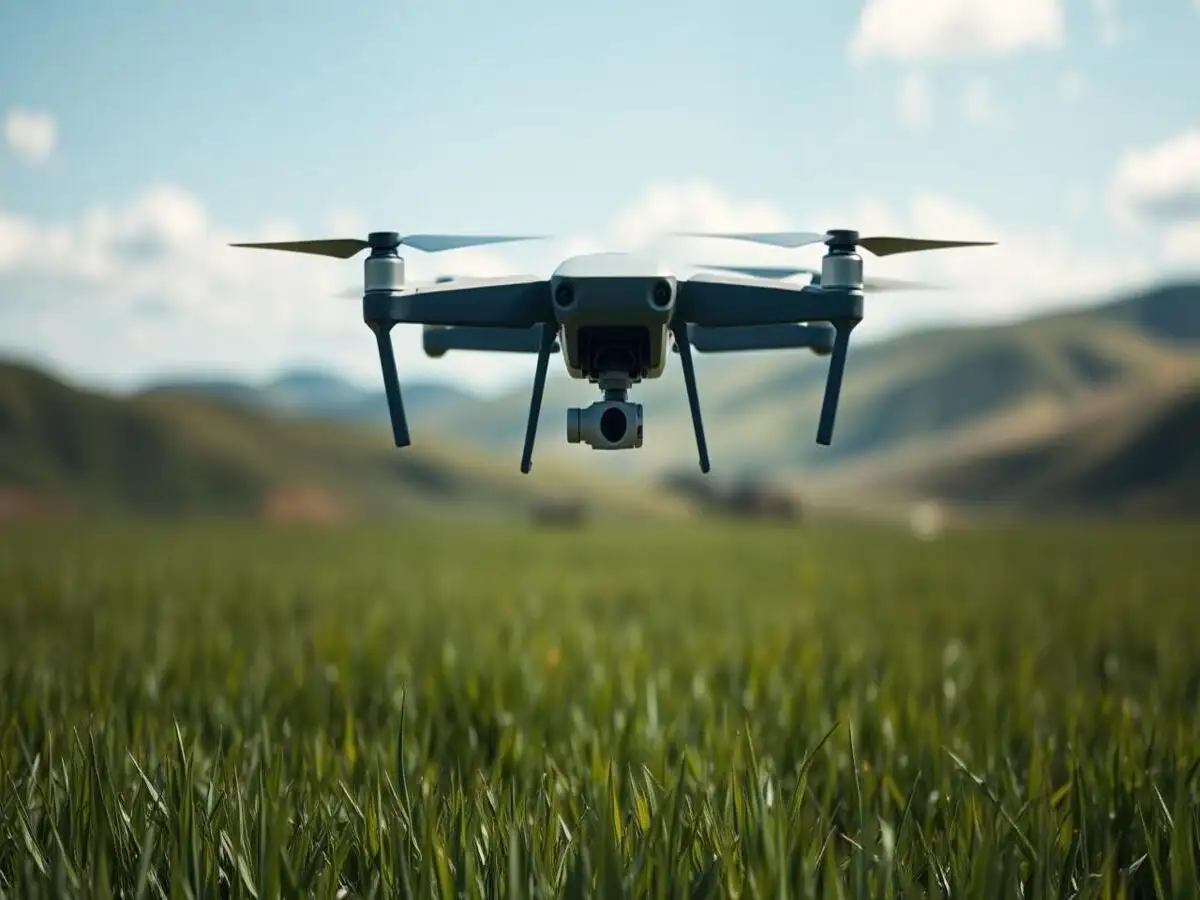
In a landmark step toward strengthening global counter-terrorism cooperation, India and the European Union (EU) have conducted their first joint counter-terror exercise focused on neutralising threats posed by unmanned aerial systems (UAS). The three-day training programme, which concluded on Wednesday, aimed at developing integrated counter-drone strategies to protect critical infrastructure and soft targets from terror-related drone attacks.
The exercise brought together senior officers, instructors, and technical experts from India’s National Security Guard (NSG) and the EU’s High Risk Security Network (HRSN). The focus was on the deployment of advanced UAS and counter-UAS (C-UAS) technologies and improving interoperability between Indian and European security forces.
The EU stated that the programme combined tactical and technological elements, culminating in a joint exercise that tested real-world scenarios of drone-based terror threats. Participants were trained in mitigation skills, detection, and rapid response strategies, which will later contribute to drafting standard operating procedures (SOPs) for integrated counter-drone operations.
“This joint training shows how the EU and India are turning commitment into action, working side by side to keep our citizens safe,” said EU Ambassador Hervé Delphin. He added that both India and EU nations face increasing threats from hostile drones, which are being used as part of hybrid warfare tactics. “Only swift and coordinated responses will keep us ahead,” he emphasized.
The EU’s HRSN – comprising 28 units from 21 member states – sent a team of UAS and C-UAS instructors and experts to the NSG headquarters in Manesar. The NSG, India’s elite counter-terrorism force, led the training using its extensive experience in detecting, tracking, and neutralising hostile drones in complex urban environments.
The sessions also explored the evolving nature of drone threats, including the use of swarm and autonomous systems. Experts highlighted the need for next-generation countermeasures such as artificial intelligence, sensor fusion, directed energy systems, and kinetic intercept technologies.
The exercise was organised under the EU’s “Enhancing Security Cooperation In and With Asia and the Indo-Pacific” initiative and aligns with the Joint EU–India Strategic Agenda, which prioritises counter-terrorism cooperation. It also follows the India-EU Track 1.5 dialogue on countering terrorist exploitation of UAS held in February 2024.

The growing misuse of drones by non-state actors remains a major security challenge globally. With commercial drones becoming cheaper and more advanced, their potential for use in surveillance, smuggling, and targeted attacks has risen sharply. This joint exercise represents a significant step toward building a coordinated international framework for drone threat mitigation and ensuring preparedness against future airborne terror tactics.





 English
 Gujarati
 Hindi
Hindi Kannada
 Malayalam
 Marathi
 Punjabi
 Tamil
Tamil Telugu