

 India
India

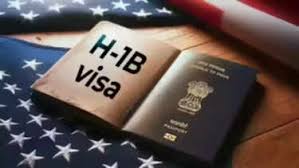
The University of Southern California (USC) has issued a rare advisory urging international faculty and staff on H-1B work visas to avoid overseas travel in the wake of sweeping new immigration rules under former President Donald Trump’s administration.
In its statement, USC cautioned that international employees currently residing in the United States should put off any international travel until further notice. “Out of an abundance of caution, all faculty and staff in H-1B status currently in the United States should put international travel plans on hold until they receive further guidance,” the university said.
The guidance comes after a presidential proclamation signed on September 19 by Donald Trump, which imposes a mandatory $100,000 fee for every new H-1B visa petition filed on or after September 21. The rule, which is set to remain in effect for 12 months unless extended, exempts renewals, amendments, and existing visa holders. However, employers, universities, and small businesses have raised concerns about the financial strain such an unprecedented hike will cause.
USC, which successfully obtained approval for 108 H-1B visas during the 2025 fiscal year, has also advised faculty and staff currently outside the US to return before the new regulation fully takes effect.
The Trump administration has defended the measure, arguing that it will safeguard American jobs and reduce abuse of the H-1B system. At the same time, the Department of Homeland Security has suggested prioritizing higher-wage and higher-skilled positions in the annual H-1B lottery, further reshaping the competitive landscape for international workers.
Faculty members at USC, however, have voiced concern that the policy may damage the global standing of US higher education. Aisling Kelliher, associate professor of cinematic arts, noted that international scholars and students are drawn to American universities because of their strong reputation in research and teaching. “It is a huge opportunity, both to come here as an immigrant and to continue as a researcher and teacher,” she said.
As the academic community awaits legal clarity, many fear that the sharp fee increase could discourage top international talent from pursuing opportunities in the United States, a move that critics say could ultimately weaken the nation’s role as a global leader in higher education and research.



 English
 Gujarati
 Hindi
Hindi Kannada
 Malayalam
 Marathi
 Punjabi
 Tamil
Tamil Telugu