

 India
India

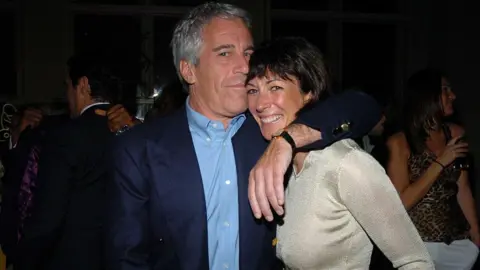
The U.S. Supreme Court on Monday refused to hear Ghislaine Maxwell’s appeal seeking to overturn her conviction for aiding Jeffrey Epstein in sexually abusing teenage girls. By declining the case, the justices effectively allowed a lower court ruling upholding Maxwell’s conviction to stand, ensuring she will continue serving her 20-year prison sentence.
Maxwell, a British socialite and Epstein’s former partner, was found guilty in New York in 2021 on multiple charges, including sex trafficking of a minor. Federal prosecutors accused her of recruiting and grooming girls for sexual encounters with Epstein between 1994 and 2004. Her legal team argued that her prosecution should have been barred by a 2007 non-prosecution agreement reached between Epstein and federal prosecutors in Florida. That deal, they contended, shielded Epstein’s co-conspirators from criminal charges, though previous courts rejected this claim.
Epstein, a wealthy financier with a wide network of powerful associates, died by suicide in a Manhattan jail cell in 2019 while awaiting trial on sex trafficking charges. His death and his connections have fueled persistent conspiracy theories, particularly regarding the extent to which influential individuals may have been involved in or aware of his crimes. President Donald Trump, who had social interactions with Epstein in the 1990s and early 2000s, has also been scrutinized due to these historical ties.
Maxwell’s appeal specifically referenced Epstein’s plea deal, in which he avoided federal prosecution by pleading guilty to state-level charges of soliciting prostitution, including from minors. The agreement also included a clause stating that the U.S. would not pursue criminal charges against Epstein’s potential co-conspirators, but courts ruled the agreement did not prevent her prosecution in New York.
In recent developments, Deputy Attorney General Todd Blanche, a former personal lawyer to Trump, interviewed Maxwell in July, seeking clarity on whether she possessed a “client list” or had seen Trump engage in inappropriate behavior. Maxwell denied any knowledge of such a list or witnessing misconduct. Following a review of over 300 gigabytes of data, the Justice Department concluded that there was no evidence implicating prominent individuals or indicating that Epstein trafficked minors to anyone other than himself.
Public skepticism, however, remains high. A July Reuters/Ipsos poll found that 69% of Americans believe the government is withholding details about Epstein’s clients. Allegations continue to surface, including a purported 2003 birthday letter from Trump to Epstein, though the White House has denied its authenticity.
The Supreme Court’s refusal to hear Maxwell’s case underscores the finality of her conviction and keeps in focus the lingering questions surrounding Epstein’s activities, his network, and the powerful figures linked to him.






 English
 Gujarati
 Hindi
Hindi Kannada
 Malayalam
 Marathi
 Punjabi
 Tamil
Tamil Telugu