
 India
India

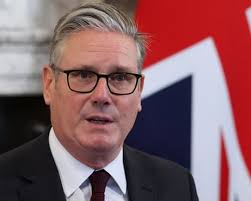
British Prime Minister Keir Starmer has downplayed talk of a leadership challenge after Labour Mayor Andy Burnham suggested he had been encouraged to contest Starmer’s position. Speaking publicly for the first time in response to Burnham’s comments, Starmer emphasized his focus on “economic stability,” highlighting his government’s efforts to strengthen Britain’s financial position and reassure markets.
Burnham, the Labour mayor of Greater Manchester, criticized Starmer for lacking a clear plan to turn the country around and proposed a more left-leaning agenda, including higher taxes on the wealthy and large-scale nationalizations. He argued that Britain should avoid being overly dependent on bond markets and laid out his vision for a transformed Britain.
In his statement, Starmer refrained from commenting on Burnham’s “personal ambitions,” instead highlighting government achievements such as increased appointments in the state-run health service. Starmer reiterated his administration’s commitment to self-imposed fiscal rules, designed to limit borrowing and maintain market confidence. “Economic stability is the foundational stone of this government,” he told ITV Granada.
Starmer’s leadership has faced challenges little more than a year after his decisive election victory. Recent departures of senior officials, including his deputy prime minister and ambassador to the United States, have fueled speculation over potential leadership shifts.
Burnham, who has previously sought Labour leadership in 2010 and 2015 but was defeated by Ed Miliband and Jeremy Corbyn, faces significant hurdles if he were to mount a formal challenge. Currently not a member of parliament, Burnham would need to secure a parliamentary seat and win against rival parties—a difficult task amid Labour’s declining popularity. Polls currently show Starmer’s Labour trailing Nigel Farage’s Reform UK by roughly 10 points.
While Burnham did not deny interest in the leadership during media interviews, the path to challenging Starmer remains complicated. For now, Starmer appears intent on consolidating his position, maintaining market confidence, and focusing on domestic economic stability rather than internal party rivalries.


 English
 Gujarati
 Hindi
Hindi Kannada
 Malayalam
 Marathi
 Punjabi
 Tamil
Tamil Telugu