

 India
India

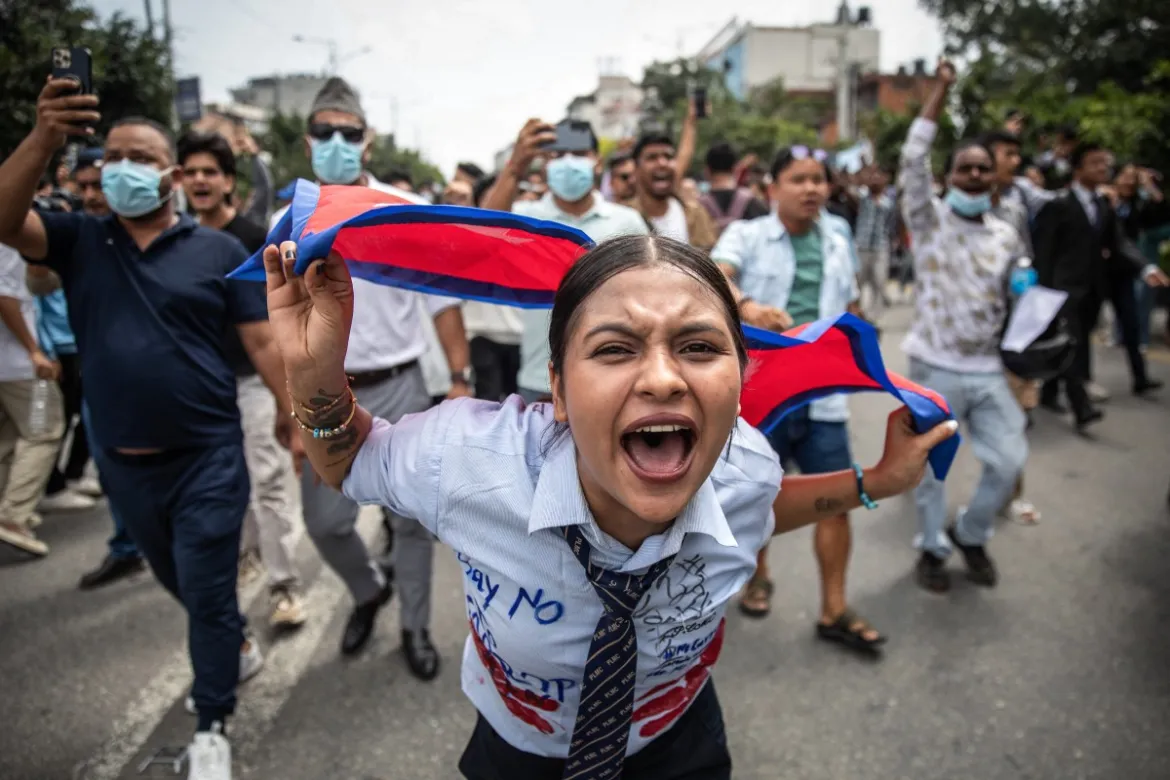
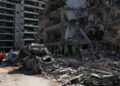
Prime Minister Narendra Modi on Tuesday described the recent outbreak of violence in Nepal as “heart-rending” and expressed deep grief over the tragic loss of young lives. His remarks come at a time when Nepal is facing internal unrest, raising concerns for both the country’s stability and the wider South Asian region.
In a post shared on X, the Prime Minister revealed that the Cabinet Committee on Security had reviewed the latest developments in Nepal shortly after his return from official visits to Himachal Pradesh and Punjab. Modi underlined that the Government of India is closely monitoring the situation and stressed that “the stability, peace and prosperity of Nepal are of utmost importance” to India.
India and Nepal share a unique relationship marked by geographical proximity, cultural ties, open borders, and strong people-to-people connections. Any instability in Nepal has historically had implications for India, particularly in the border states of Bihar, Uttar Pradesh, Uttarakhand, and Sikkim, where cross-border movement is common.
Modi’s appeal to the people of Nepal to support peace reflects India’s concern that prolonged unrest could affect not only Nepal’s development but also regional cooperation and security. By urging citizens to stand behind stability, the Prime Minister highlighted India’s consistent position that Nepal’s progress is essential for the collective well-being of South Asia.
The statement is being viewed as both an expression of solidarity and a diplomatic signal of India’s readiness to engage constructively with Nepal during a period of crisis. It also reinforces New Delhi’s long-standing role as a partner in Nepal’s democratic and developmental journey.
With tensions simmering, Modi’s message is likely to resonate with Nepal’s leadership and civil society, pressing home the urgency of restoring calm and ensuring a path of peace and prosperity for the nation.


 English
 Gujarati
 Hindi
Hindi Kannada
 Malayalam
 Marathi
 Punjabi
 Tamil
Tamil Telugu