



 India
India

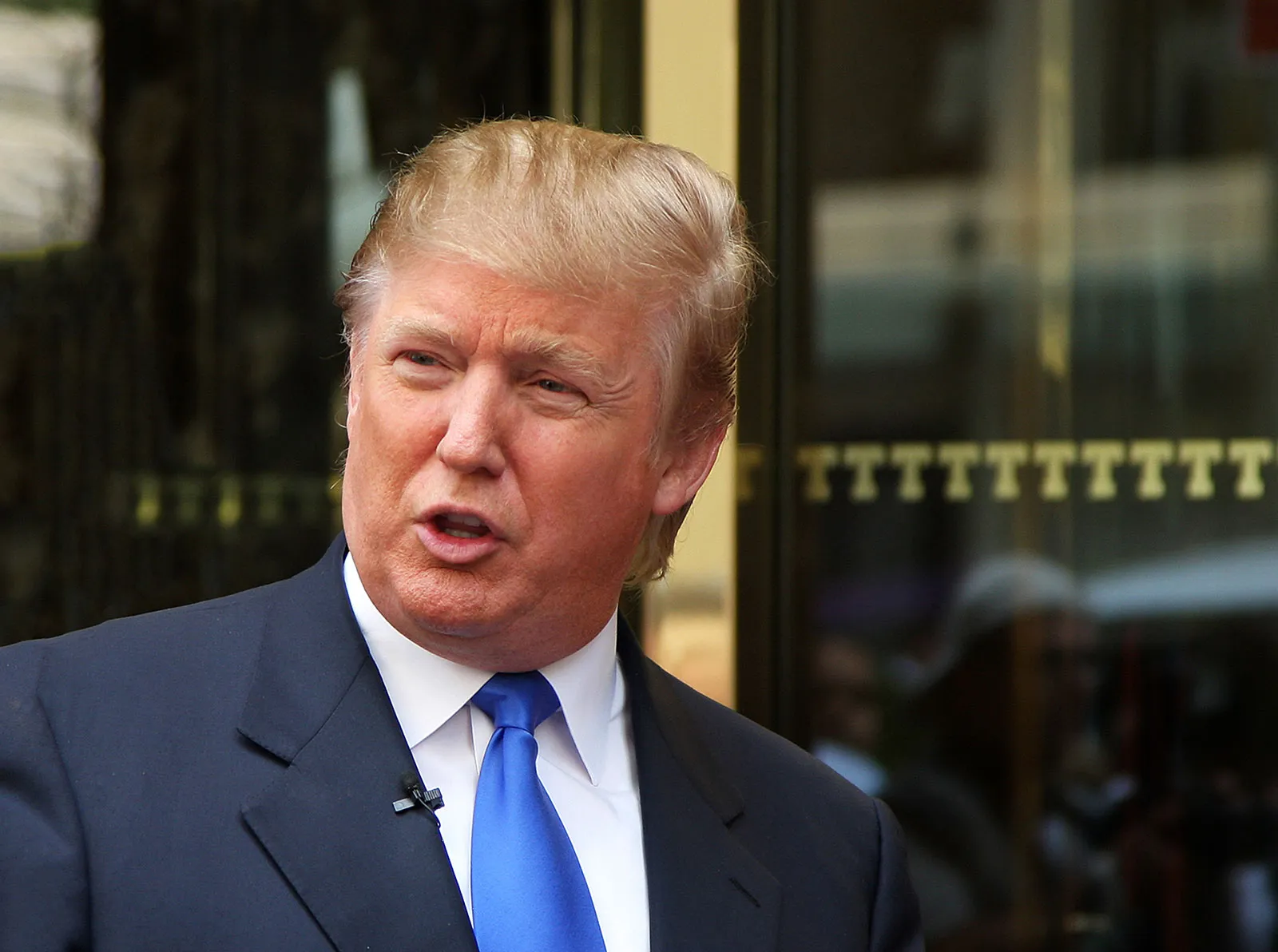
The United States has formally confirmed that additional import duties of 25% on Indian goods will take effect from Wednesday, raising the total tariff to 50%. The move, part of President Donald Trump’s punitive trade action over India’s continued Russian oil purchases, is one of the steepest measures imposed by Washington against a major trading partner.
The US Department of Homeland Security (DHS) issued the notification on Tuesday, stating that the tariff increase will come into effect at 12:01 am Eastern Daylight Time (9:31 am IST). Limited exemptions have been made for in-transit shipments arriving before September 17 with proper certification.
Electronics and pharmaceutical products, which together account for about 30–40% of India’s exports to the US, remain exempt for now, though the duration of this relief remains unclear.
The announcement triggered immediate turbulence in Indian financial markets. The BSE Sensex fell by 849 points to close at 80,786.54, while the NSE Nifty dropped 255 points to 24,712.05. The rupee weakened to 87.68 against the dollar, its lowest in three weeks, approaching its all-time low.
Export bodies in India sounded alarm bells. SC Ralhan, president of the Federation of Indian Export Organisations (FIEO), said textile and apparel units in Tirupur, Noida, and Surat have already halted production due to rising costs. He urged the government to act swiftly to protect jobs and trade relationships.
A study by the Global Trade Research Initiative (GTRI) warned that India’s exports to the US could fall 43%, from $86.5 billion in FY2025 to $49.6 billion in FY2026. The analysis shows that while 30% of exports remain duty-free, 66% of shipments worth $60.2 billion—including apparel, gems and jewellery, carpets, furniture, and shrimp—will face the full 50% duty. Exports from these categories may plunge 70%, to just $18.6 billion.
The commerce ministry has declined to comment officially, but sources told Reuters that no relief or delay is expected. Instead, the government is reportedly working on diversifying exports to nearly 50 alternative markets across Asia, Africa, and Latin America.

The sharp increase places Indian exporters at a significant disadvantage compared to competitors from Bangladesh, Vietnam, and China. FIEO estimates that over 55% of India’s US-bound shipments worth $47–48 billion now face pricing disadvantages of 30–35%. Labour-intensive sectors such as textiles, leather, marine products, ceramics, handicrafts, and chemicals are expected to suffer the most.
India’s Ministry of External Affairs has called the tariffs “unjustified and unreasonable,” pointing out that Western nations continue extensive trade with Russia. However, Washington reiterated that the action was taken in response to India’s “indirect support” of Moscow’s war in Ukraine.

 English
 Gujarati
 Hindi
Hindi Kannada
 Malayalam
 Marathi
 Punjabi
 Tamil
Tamil Telugu