
 India
India

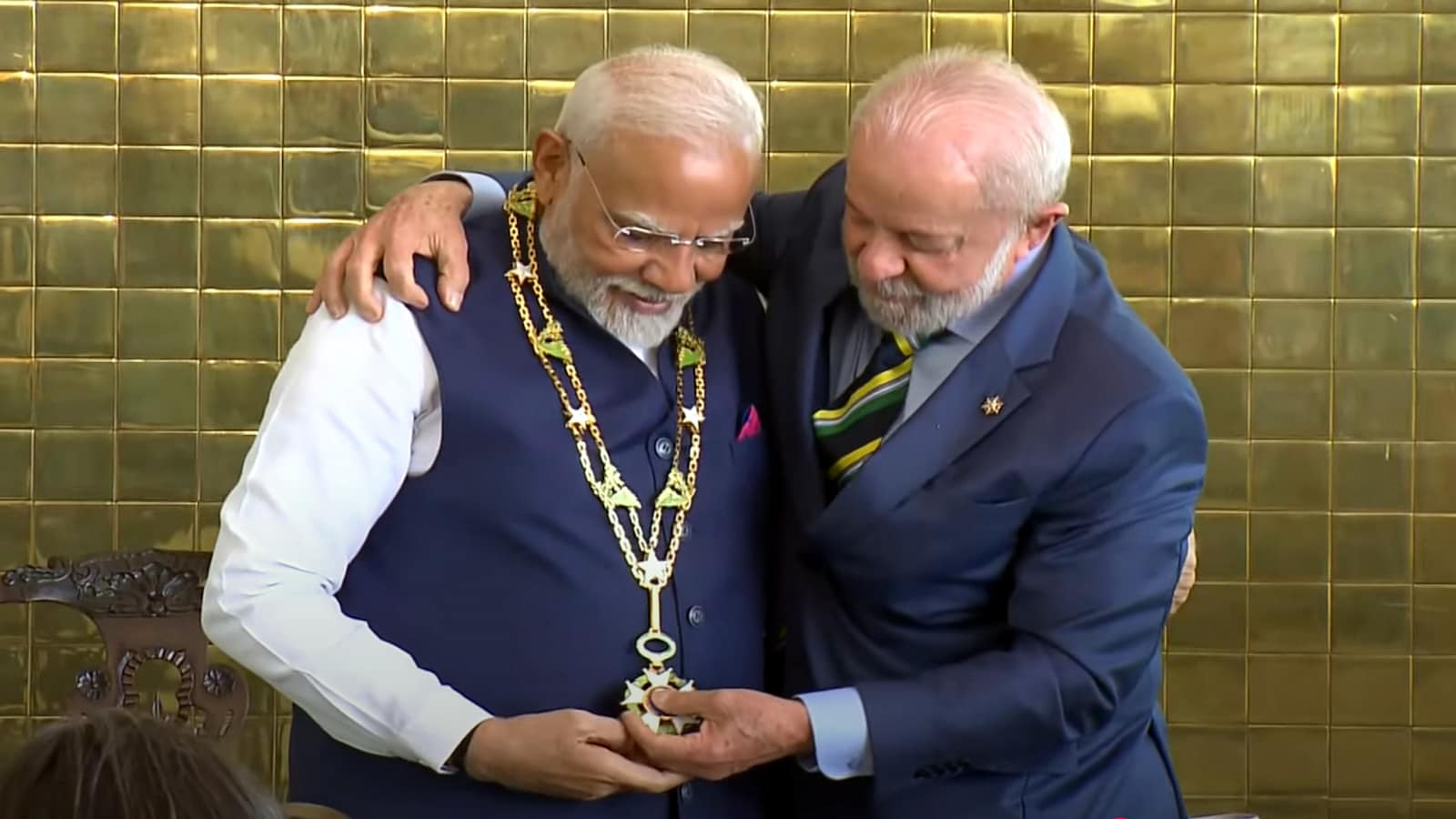
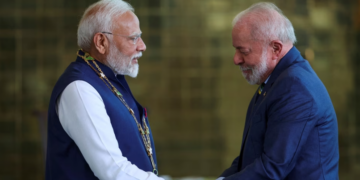
Prime Minister Narendra Modi and Brazilian President Luiz Inácio Lula da Silva have reaffirmed their commitment to defending multilateralism after US President Donald Trump imposed heavy unilateral tariffs on goods from both countries. The decision by Trump to raise tariffs by an additional 25 per cent—pushing total duties on Indian and Brazilian goods to 50 per cent—has drawn sharp diplomatic responses from New Delhi and Brasília.
The two leaders held a long phone conversation to discuss the growing economic tensions. Lula, in a post on social media platform X, stated, “We discussed the international economic scenario and the imposition of unilateral tariffs. Brazil and India are, so far, the two most affected countries. We reaffirmed the importance of defending multilateralism and the need to address the challenges of the current situation.”
Lula also confirmed that a Brazilian state visit to India is scheduled for early 2026, with Vice President Geraldo Alckmin expected to visit India in October as part of preparations. The visit will coincide with the Trade Monitoring Mechanism meeting and will include a high-level delegation of ministers and business leaders. The focus areas of cooperation include trade, defence, energy, critical minerals, health, and digital inclusion.
Modi and Lula also revisited their July meeting in Brazil, highlighting the goal of boosting bilateral trade to over $20 billion by 2030. As part of this agenda, the leaders agreed to expand the MERCOSUR-India trade agreement. They also exchanged notes on national digital payment platforms, with PIX from Brazil and UPI from India offering models of innovation in financial inclusion.
In a significant geopolitical alignment, the two leaders stressed continued cooperation through the BRICS framework and coordination for India’s upcoming presidency of the bloc.
Trump’s tariff move was also accompanied by strong comments defending Brazil’s former president Jair Bolsonaro. Calling the legal proceedings against Bolsonaro a “witch hunt,” Trump stated the US needs to fix what he called an unfair trade imbalance caused by Brazil’s current policies.
Lula, in response, strongly rejected Trump’s rhetoric and said Brazil would not take orders from a “gringo.” He added that his administration would proceed with plans to regulate and tax US tech giants, accusing them of spreading violence and misinformation under the guise of free speech.

The strengthening India-Brazil partnership is being seen as a key diplomatic response to growing unilateralism in global trade and reflects a broader push by emerging economies to assert their autonomy and strengthen south-south cooperation.
 English
 Gujarati
 Hindi
Hindi Kannada
 Malayalam
 Marathi
 Punjabi
 Tamil
Tamil Telugu