



 India
India

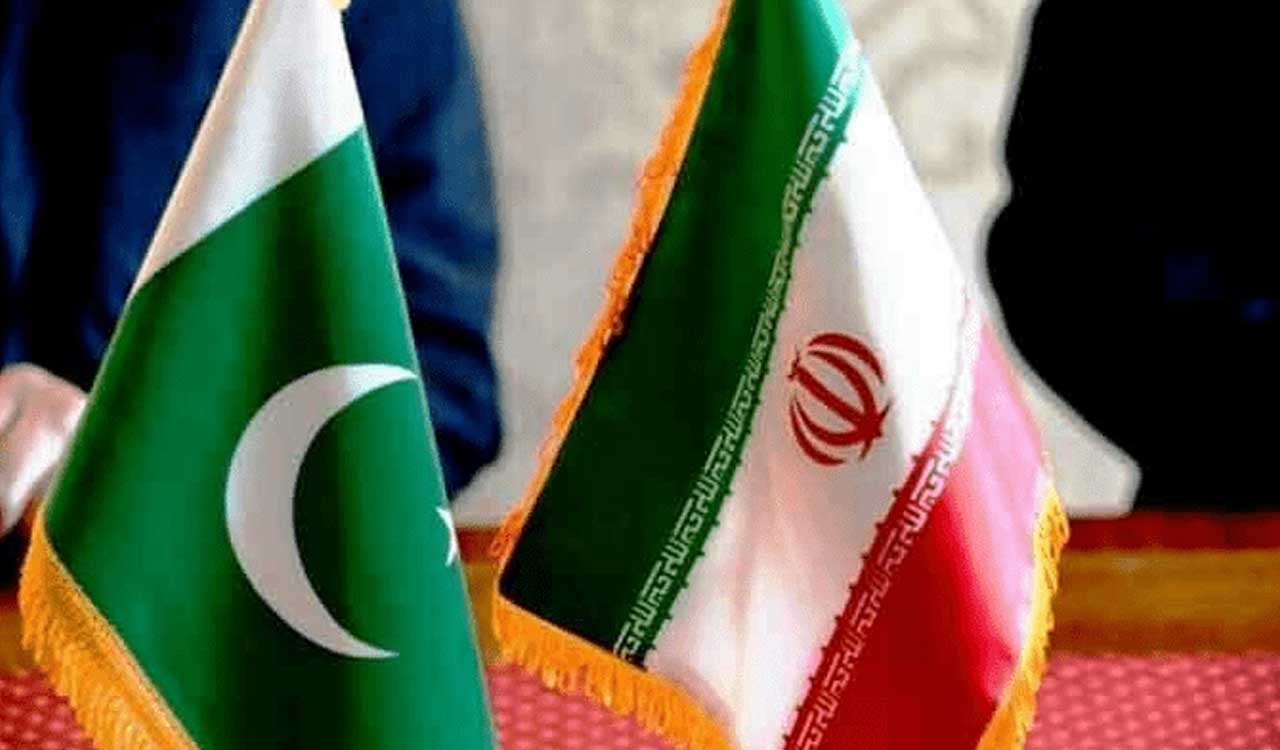
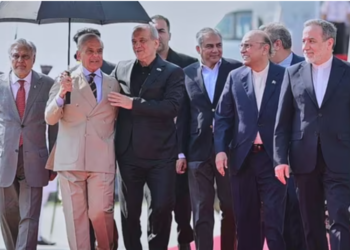
Pakistan and Iran have committed to expanding their bilateral trade to $8 billion annually, leveraging their shared borders and regional proximity to unlock new economic opportunities. The development came during Iranian President Masoud Pezeshkian’s two-day state visit to Pakistan, where he engaged in high-level talks aimed at reshaping regional trade dynamics.
A pivotal meeting between Pakistan’s Commerce Minister Jam Kamal Khan and Iranian Minister for Industry, Mines and Trade Mohammad Atabak marked a renewed push for deepening economic and political ties. The ministers met in Islamabad on the sidelines of Pezeshkian’s visit, which began in Lahore before transitioning to the federal capital.
In a statement issued by Pakistan’s Commerce Ministry, both sides expressed strong intent to address existing trade barriers, streamline border processes, and initiate trust-based partnerships in key sectors such as energy, logistics, agriculture, and services.
Kamal noted that if fully utilized, the trade potential between the two neighbours could surpass $8 billion and possibly reach $10 billion annually. Emphasizing the importance of regional proximity, he remarked, “Geography is an advantage. Pakistan and Iran must utilise this discount of distance. If we don’t, we lose both time and cost benefits.”
Drawing parallels with ASEAN’s intra-regional trade success, Kamal proposed sending targeted trade delegations comprising representatives from federal and provincial chambers of commerce. “We’ve done this model successfully in Belarus and elsewhere. Let’s do the same for Iran, starting with sectors that show the greatest potential for mutual benefit,” he added.
Minister Atabak echoed this sentiment and advocated for accelerated follow-up on new agreements. He emphasized the trust shared by traders and industrialists in both countries, underscoring the need for a transparent and dependable trade facilitation framework.
Looking ahead, Atabak also endorsed the concept of a Business-to-Business (B2B) Day during all top-level bilateral visits. He pledged to lead Iranian business delegations to Pakistan to engage in focused discussions and explore sectoral opportunities.

The two ministers reaffirmed their commitment to enhancing the usage of existing trade corridors and border facilities to streamline goods movement and improve market access.
Beyond their bilateral scope, both leaders also envisioned broader regional integration involving Turkey, Central Asia, Russia, and parts of West Asia. “Such connectivity could foster a resilient economic bloc with vast potential,” said Khan.
The joint statement concluded with a forward-looking note: “With high-level political alignment and mutual trust, Pakistan and Iran appear poised to enter a new phase of strategic economic partnership that could reshape regional trade dynamics.”

 English
 Gujarati
 Hindi
Hindi Kannada
 Malayalam
 Marathi
 Punjabi
 Tamil
Tamil Telugu