




 India
India

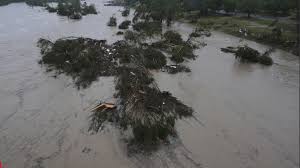
Torrential summer rains lashed the northeastern United States on Monday night, claiming at least two lives in New Jersey and unleashing widespread travel disruption, flooding, and infrastructure damage across multiple states. The National Weather Service (NWS) continued to issue flood warnings through Tuesday morning as the storm system slowly moved across the Mid-Atlantic, bringing with it the threat of further flash flooding through midweek.
The fatalities occurred in Plainfield, New Jersey, where two individuals were swept away by floodwaters when their vehicle plunged into a swollen river. Emergency services responded swiftly but were unable to save the victims. These deaths follow another fatal storm on July 3 that also claimed two lives in the region.
“This is the new normal,” said New Jersey Governor Phil Murphy. “We, New Jersey, we America, we the globe, are getting dragged by climate.” Murphy declared a state of emergency and urged residents to remain indoors.
In New York City, the evening rush hour turned chaotic as filthy rainwater poured down Manhattan’s streets and inundated the subway system. Videos on social media showed waves of floodwater gushing past ticket barriers and cascading down electrified tracks. A train at the 28th Street station was reportedly stuck with dozens of passengers onboard as floodwaters poured into the tunnel.
Air travel was also impacted, with JFK, LaGuardia, and Newark airports temporarily suspending departures, leading to widespread flight cancellations.
FOX meteorologist Christopher Tate said New York City endured its “second wettest single hour ever recorded,” with more than two inches of rainfall in just 60 minutes.
The storm also drenched parts of Pennsylvania and Maryland. In Lancaster County, Pennsylvania, officials declared a disaster after more than seven inches of rain fell in under five hours. Emergency responders carried out 16 water rescues and evacuated flooded basements in Mount Joy Borough.

Staten Island recorded four to six inches of rain overnight, prompting evacuation alerts in low-lying areas. Residents in basement apartments were advised to move to higher ground.
The NWS continued to warn drivers to avoid flooded roads, emphasizing that “most flood deaths occur in vehicles.” This warning proved especially relevant as flash floods paralyzed highways and residential streets across the region, reaching as far south as North Carolina.
The destructive deluge echoes past climate disasters that hit the region, including Hurricane Sandy in 2012, which killed over 40 New Yorkers, and Hurricane Ida in 2021, which caused widespread damage and left over a dozen dead.
Climate advocates and local leaders are now pushing for urgent infrastructure upgrades. New York mayoral candidate Zohran Mamdani posted on social media, “We must upgrade our infrastructure for this new climate reality.”
This recent wave of storms follows historic Fourth of July flooding that ravaged central Texas, killing at least 131 and leaving over 100 missing. In North Carolina, five deaths were reported last week due to Tropical Storm Chantal, further underlining the rising frequency of extreme weather events in the United States.






 English
 Gujarati
 Hindi
Hindi Kannada
 Malayalam
 Marathi
 Punjabi
 Tamil
Tamil Telugu